

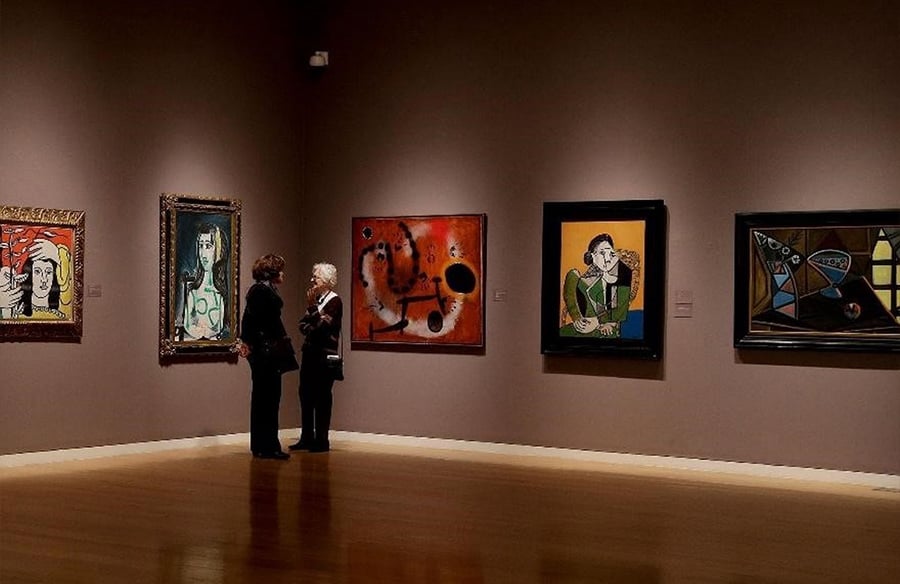
Famous art has always held a special place in the hearts of art lovers worldwide. The ability to experience iconic works like Van Gogh’s Starry Night or Da Vinci’s Mona Lisa has been made possible for many through the meticulous process of art reproduction. This craft involves more than just copying a painting; it’s about replicating the emotion, technique, and detail of the original masterpiece. Skilled artisans dedicate their time and expertise to ensuring that each reproduction is as close to the original as possible, allowing more people to appreciate and own a piece of art history.
Why Art Reproduction Matters
Art reproduction plays a crucial role in making famous art accessible to a broader audience. By faithfully replicating masterpieces, art reproductions ensure that the beauty and cultural significance of these works are shared and preserved. People who may never have the opportunity to see the originals in person can still enjoy these iconic pieces in their homes, fostering a deeper appreciation for art across generations.
The Process of Crafting Famous Art Reproductions
Creating a high-quality reproduction of famous art is a detailed and deliberate process. Each step requires precision and an understanding of the original artist’s techniques:
-
In-depth Study and Research
- The reproducing artist begins by studying the original painting, analyzing everything from brushstrokes to color palettes. This research is crucial for capturing the essence of the artwork.
-
Selecting Authentic Materials
- To achieve authenticity, the artist selects materials that match those used in the original. The right canvas, paints, and brushes are essential to creating a faithful reproduction.
-
Sketching and Outlining
- A rough sketch is made on the canvas to outline the composition. This step helps in accurately positioning the elements of the painting.
-
Layering Colors and Textures
- The artist then begins to apply layers of paint, carefully mixing pigments to replicate the original hues and textures. This stage is where the painting starts to come to life.
-
Adding Final Details
- The final stage involves adding the intricate details that define the original work. Every brushstroke is placed with precision to mirror the original piece.
The Impact of Technology in Art Reproduction
Technology has significantly enhanced the art reproduction process. High-resolution imaging and printing allow for more accurate replications of famous art. However, the human touch remains irreplaceable. Even with advanced tools, the skill and creativity of the reproducing artist are what truly bring these reproductions to life.
Challenges in Reproducing Famous Art
Reproducing famous art is not without its challenges. Ensuring that the reproduction captures the unique qualities of the original while maintaining fidelity is a demanding task. It requires both technical expertise and a deep appreciation of the original artist’s vision. Additionally, the time investment for each piece is considerable, as quality cannot be rushed.
The Value of Art Reproductions
Art reproductions provide immense value by making famous art more accessible. They offer art enthusiasts the chance to own pieces that carry cultural and historical significance without the prohibitive cost of originals. Moreover, reproductions play a key role in preserving these masterpieces, ensuring that they can be appreciated by future generations.
Conclusion:
Famous art reproductions are a testament to the skill and dedication of the artists who create them. By faithfully replicating the world’s most iconic paintings, they allow us to connect with art in a tangible way. Whether for personal enjoyment or as part of a larger effort to preserve cultural heritage, these reproductions ensure that the legacy of great artists continues to inspire and captivate us.







