

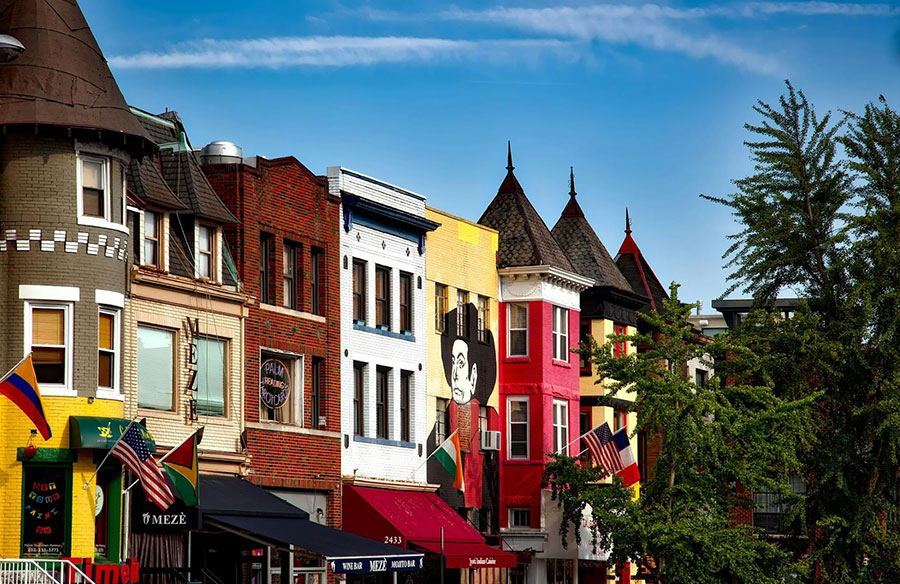
Gentrification is a complex and often contentious process that reshapes neighborhoods, bringing both revitalization and challenges. At its core, gentrification refers to the transformation of urban spaces as wealthier individuals and families move into lower-income areas, typically driven by the allure of affordable housing and the potential for investment. This influx of capital often leads to rising property values and rents, as well as the displacement of long-standing residents who can no longer afford to live in their own neighborhoods.
Historically, gentrification has been fueled by various factors, including urban renewal initiatives, improving infrastructure, and a growing interest in city living, particularly among millennials and young professionals. As these new residents settle in, they often bring with them a desire for modern amenities, trendy boutiques, artisan cafes, and vibrant nightlife—elements that can change the character of a neighborhood and attract even more affluent buyers. While some view gentrification as a positive force for economic development and revitalization, others criticize it for erasing the cultural identity of established communities and contributing to socioeconomic divides.
Understanding the nuances of gentrification is crucial for cash buyers drawn to these evolving neighborhoods. They often see the potential for significant returns on investment, propelled by increasing property values and the promise of a flourishing local economy. However, the allure of gentrification is not without its ethical implications, as it raises questions about community preservation and social equity. For prospective buyers, being aware of these dynamics can lead to more informed decisions that consider both the financial and social impacts of their investments in gentrified neighborhoods.
In this blog post, we’ll explore the magnetic appeal of gentrified neighborhoods, examining the factors that entice cash buyers and the implications of their investments for both the community and the urban landscape as a whole. Join us as we delve into the dynamics of this intriguing real estate trend and uncover the reasons behind the irresistible allure of gentrification.
The Allure of Gentrified Neighborhoods
Gentrified neighborhoods possess a unique charm that captivates cash buyers, drawing them into a world where historic architecture meets modern convenience. These areas, often characterized by their eclectic mix of old-world charm and contemporary flair, have undergone significant transformations that enhance their appeal. Vibrant street art adorns once-forgotten buildings, while artisanal cafes and boutique shops pop up on every corner, creating a lively atmosphere that attracts both locals and visitors alike.
One of the most enticing aspects of gentrified neighborhoods is the promise of investment potential. Cash buyers are particularly keen on properties in these areas, as they often see the opportunity for substantial appreciation in value. The influx of young professionals and families seeking affordable housing options drives demand, leading to rising property values. With every new restaurant opening or park renovation, the allure of these neighborhoods grows stronger, making them a magnet for those looking to invest wisely.
Moreover, gentrification often brings with it improved infrastructure and amenities. Public transportation becomes more accessible, schools receive upgrades, and community services expand. This transformation not only enhances the quality of life for residents but also signals to cash buyers that they are investing in a thriving community with a strong future.
Yet, it’s the sense of community that truly sets gentrified neighborhoods apart. With diverse populations and a blend of cultures, these areas foster connections among residents who appreciate the rich tapestry of experiences and backgrounds. Farmers’ markets, street fairs, and local art shows create a sense of belonging that resonates deeply with buyers looking for more than just a property; they seek a lifestyle. In this vibrant environment, cash buyers find not just a house, but a home in a community bursting with life, opportunity, and promise. This combination of character, investment potential, and community spirit is what makes gentrified neighborhoods irresistibly alluring to the discerning cash buyer.
Key Factors Driving Cash Buyers to Gentrified Areas
As urban landscapes evolve, cash buyers are increasingly drawn to gentrified neighborhoods, where the allure of revitalization and opportunity is palpable. Several key factors contribute to this trend, making these areas particularly attractive to those with the financial means to invest.
Rapidly Increasing Property Values: One of the most compelling reasons cash buyers flock to gentrified neighborhoods is the promise of appreciating property values. As these areas undergo transformation—often marked by new developments, renovations, and an influx of trendy businesses—property prices tend to rise. Cash buyers such as sell my house fast Bartlett TN companies recognize the potential for substantial returns on their investments, making these neighborhoods an appealing option for savvy investors.
Enhanced Amenities and Infrastructure: Gentrification often brings a host of modern amenities and improved infrastructure that enhance the quality of life for residents. From chic cafes and boutique shops to improved public transportation and green spaces, these neighborhoods become vibrant hubs of activity. Cash buyers are drawn to the lifestyle that these amenities offer, envisioning a community that caters to their needs and desires.
Community Revitalization and Cultural Appeal: The cultural renaissance that often accompanies gentrification is another significant draw for cash buyers. As artists, young professionals, and innovators move in, they breathe new life into the community, fostering a dynamic and diverse atmosphere. Cash buyers are enticed by the prospect of being part of a forward-thinking community, where creativity and collaboration thrive.
Safety and Low Crime Rates: As neighborhoods gentrify, they frequently experience a decrease in crime rates due to increased investment and community engagement. Cash buyers are naturally inclined to choose locations where they feel safe and secure, making gentrified areas an attractive option for families and individuals alike.
Proximity to Urban Centers: Many gentrified neighborhoods are strategically located near bustling urban centers, providing easy access to employment opportunities, cultural attractions, and social activities. Cash buyers appreciate the convenience of living in areas that offer both a vibrant local scene and proximity to the heart of the city, making their investments even more appealing.
In summary, the combination of rising property values, enhanced amenities, cultural revitalization, improved safety, and strategic location all contribute to the irresistible allure of gentrified neighborhoods for cash buyers. As these factors converge, they create a compelling case for investment, ensuring that these vibrant areas will continue to capture the interest of those looking to make a mark in the evolving real estate landscape.
The Role of Real Estate Investors in Gentrification
Real estate investors play a pivotal role in the gentrification process, acting as both catalysts and beneficiaries of urban transformation. As neighborhoods begin to show signs of potential—like rising property values, an influx of new businesses, or improved amenities—investors often seize the opportunity to purchase undervalued properties. These savvy buyers conduct thorough market analyses, identifying areas on the brink of revitalization and strategically placing their bets on the future of these locales.
Once they acquire properties, investors typically engage in renovations and enhancements, transforming dilapidated buildings into chic apartments or trendy commercial spaces. This not only elevates the aesthetic appeal of the neighborhood but also attracts a wealthier demographic. These renovations can range from simple cosmetic upgrades to complete overhauls, often reflecting the tastes and preferences of a new class of residents who are drawn to the area for its emerging cultural scene and urban conveniences.
However, the influence of real estate investors extends beyond mere property improvements. They often advocate for better infrastructure, increased safety measures, and enhanced public services, which can significantly improve the quality of life for all residents. While this can lead to benefits for the community, it can also lead to displacement for long-time residents who can no longer afford the rising rents and property taxes that accompany gentrification.
Furthermore, the presence of real estate investors can shift the local economy. New businesses that cater to higher-income residents—like boutique shops, artisanal cafes, and upscale restaurants—begin to replace long-standing establishments that once defined the neighborhood. This shift not only alters the character of the area but also creates a community that may feel increasingly exclusive to those who cannot keep up with the changing economic landscape.
In essence, real estate investors are at the forefront of gentrification, driving the transformation of once-neglected neighborhoods into thriving urban centers. While this process can rejuvenate communities and create economic opportunities, it also raises important questions about equity, diversity, and the preservation of local culture. The allure of gentrified neighborhoods is undeniable, but it is essential to consider the broader implications of these changes on the existing residents and the community as a whole.
The Impact of Urban Development and Infrastructure Improvements
Urban development and infrastructure improvements play a pivotal role in reshaping gentrified neighborhoods, making them irresistible to cash buyers. As cities evolve, strategic investments in public transport, parks, and communal spaces create a more inviting atmosphere. These enhancements often lead to increased property values and a surge of interest from prospective homeowners and investors.
Imagine walking through a neighborhood that was once overlooked, now bustling with life due to newly constructed bike lanes, revitalized parks filled with families, and trendy cafes lining the streets. These improvements not only beautify the area but also foster a sense of community and connectivity. Accessibility becomes a key selling point; with well-planned transit routes, previously hard-to-reach neighborhoods are now just a short commute away from bustling downtown areas, attracting professionals eager for a vibrant lifestyle.
Moreover, urban development often brings along a wave of new businesses eager to capitalize on the influx of residents and increased foot traffic. Boutique shops, artisanal eateries, and local markets enhance the neighborhood’s charm, transforming it into a desirable destination for both living and leisure. Cash buyers are drawn to these neighborhoods not just for the properties themselves, but for the lifestyle that comes with them—a blend of modern conveniences and community spirit.
As infrastructure improves, the demographic shifts can also lead to a more diverse and vibrant population, which further enriches the neighborhood’s culture. This dynamic environment is a significant allure for cash buyers, who often see the potential for high returns on their investments as the area continues to grow and thrive. In these gentrified neighborhoods, it’s clear that the impact of urban development and infrastructure improvements creates a compelling case for investment, making them a hotbed for cash buyers looking to seize the moment.
The Promise of Higher Returns on Investment
One of the most compelling reasons cash buyers are drawn to gentrified neighborhoods is the promise of higher returns on investment. As these areas undergo transformation, they often see a significant increase in property values, driven by a combination of revitalization efforts, influxes of new residents, and the arrival of trendy businesses. For cash buyers, this is an irresistible proposition—a chance not just to own property, but to make a strategic investment that could yield substantial financial rewards.
Imagine purchasing a charming, albeit slightly dilapidated, brownstone in a neighborhood that’s set to become the next hot spot. As new restaurants, boutiques, and art galleries spring up, the once-overlooked streets become bustling hubs of activity. With each passing year, property values in these areas tend to rise, often outpacing growth in more established neighborhoods. For cash buyers, the allure lies not only in acquiring a piece of real estate but in the thrill of riding the wave of urban change.
Furthermore, cash buyers have the advantage of bypassing the lengthy and often cumbersome mortgage process, allowing them to act quickly when they spot a promising opportunity. This speed is crucial in gentrifying neighborhoods where desirable properties can disappear from the market in the blink of an eye. Once a neighborhood reaches a certain level of popularity, competition intensifies, and prices escalate—leaving potential investors scrambling to keep up.
Additionally, the economic resurgence of these areas often attracts a demographic with disposable income, further driving demand for housing. As more professionals and families seek residences in these revitalized neighborhoods, cash buyers can anticipate a steady stream of rental income or increased equity should they decide to sell. The promise of higher returns, therefore, isn’t just a hopeful notion; it’s a tangible reality for those who invest wisely and strategically in these dynamic environments.
In essence, the combination of rising property values, demand from a burgeoning population, and the unique opportunity to invest without the constraints of financing makes gentrified neighborhoods an alluring prospect for cash buyers eager to enhance their real estate portfolios.
Demographic Shifts: Who is Moving In?
In the ever-evolving landscape of gentrified neighborhoods, demographic shifts play a pivotal role in reshaping the community fabric. Gone are the days when these areas were defined solely by their historical characteristics or the long-standing residents who called them home. Today, a diverse influx of new residents is changing the narrative, creating a dynamic blend of cultures, lifestyles, and aspirations.
So, who is moving in? Often, it’s a mix of young professionals seeking affordable housing close to urban centers, artists and creatives drawn by the promise of a vibrant community, and families looking for neighborhoods with better schools and amenities. These newcomers are often attracted by the charm of the area, which, despite its transformation, retains elements of its original character. They appreciate the eclectic architecture, local cafes, and the burgeoning arts scene that many gentrified neighborhoods offer.
Moreover, the demographic shift is not just about age or profession; it also encompasses a shift in values. Many of these new residents prioritize sustainability, community engagement, and a lifestyle that promotes walking, biking, and local shopping. This shift can lead to an increased demand for amenities such as parks, farmers’ markets, and local businesses, further enticing cash buyers who see the potential for appreciation in property values.
For cash buyers, these demographic changes represent an opportunity. Investing in areas with a growing, vibrant community can yield significant returns, both financially and socially. As new residents settle in, they bring fresh perspectives and energy, which can enhance the overall appeal of the neighborhood. This not only attracts more buyers but also fosters a sense of community that can be incredibly rewarding for those who choose to invest.
In essence, the allure of gentrified neighborhoods lies not just in their physical transformation but in the evolving identity shaped by the diverse individuals who choose to call them home. As these areas continue to attract a mix of residents, cash buyers cannot resist the potential for growth, both in their investments and in the community itself.
The Cultural Appeal of Revitalized Neighborhoods
Gentrified neighborhoods often possess a unique cultural appeal that draws cash buyers like moths to a flame. As these areas undergo revitalization, they transform into vibrant hubs where art, music, and diverse culinary experiences flourish. Buyers are not just investing in property; they are buying into a lifestyle that celebrates creativity and community.
One of the most compelling aspects of these neighborhoods is the infusion of local artists and craftsmen who set up shop in repurposed warehouses and storefronts. Galleries showcasing contemporary art, quirky boutiques brimming with handmade goods, and artisanal cafes serving organic coffee and gourmet pastries create an atmosphere of innovation and charm. This cultural renaissance attracts individuals seeking more than just a place to live; they desire a connection to the creative pulse of their surroundings.
Moreover, as new residents move in, they often bring fresh ideas and perspectives that further enrich the cultural tapestry of the neighborhood. This diversity can lead to exciting events such as street fairs, art walks, and live music performances that foster a sense of community and belonging. Cash buyers are increasingly drawn to the prospect of living in a neighborhood that is not only on the rise but also alive with cultural expression and communal spirit.
The allure of gentrified neighborhoods is further amplified by their proximity to urban amenities. Access to parks, public transportation, and a variety of entertainment options makes these areas highly desirable for those looking to balance work and leisure. Buyers envision themselves immersed in a lifestyle that reflects their values and interests, making the decision to invest in such neighborhoods an appealing prospect.
In summary, the cultural appeal of revitalized neighborhoods is a powerful magnet for cash buyers. The blend of artistic vibrancy, community engagement, and urban convenience creates an irresistible charm, making these neighborhoods not just a place to live, but a dynamic environment where life unfolds in exciting and unexpected ways.
The Psychological Factors Behind Cash Purchases
When it comes to real estate, cash purchases often carry a certain allure, particularly in gentrified neighborhoods. The psychological factors driving cash buyers toward these areas are multifaceted and deeply rooted in both social and economic dynamics.
First and foremost, cash buyers are often motivated by a sense of security. In a rapidly changing market, securing a home outright means avoiding the uncertainties of fluctuating mortgage rates and the potential for future financial strain. This financial freedom allows buyers to feel more confident about their investment, knowing they won’t be beholden to a lender or subject to the whims of interest rate hikes.
Moreover, the appeal of gentrified neighborhoods extends beyond mere economic considerations; it taps into the desire for status and exclusivity. Cash buyers are frequently drawn to the image of success that comes with purchasing a property in an up-and-coming area. These neighborhoods are often characterized by their trendy cafes, artisanal shops, and vibrant community events, painting a picture of a lifestyle that many find irresistible. The very act of purchasing in such a location can evoke feelings of belonging to an elite group, enhancing their social identity and reinforcing their status within their circles.
Additionally, there is a psychological comfort in the immediacy that comes with a cash transaction. Without the need for lengthy bank approvals or inspections that can delay a purchase, cash buyers can act swiftly to secure a property they desire. This speed not only eliminates stress but also gives buyers a competitive edge in a market often saturated with bids and offers. The thrill of being able to seize an opportunity can be intoxicating, further solidifying their motivation to buy.
Finally, cash buyers are often acutely aware of the potential for appreciation, especially in gentrified areas where property values are on the rise. This forward-thinking mindset can create a sense of urgency; they want to lock in a property before prices soar even higher. The prospect of a lucrative investment can overshadow the emotional aspects of homebuying, reinforcing the notion that purchasing a home is not just about finding a place to live but also about securing one’s financial future.
In summary, the psychological factors behind cash purchases in gentrified neighborhoods intertwine security, status, immediacy, and investment potential, creating a compelling narrative that few can resist. Understanding these motivations can provide insight into the dynamics of today’s real estate market, illustrating why cash buyers are consistently drawn to these vibrant communities.
Conclusion
As we draw our exploration of gentrified neighborhoods to a close, it’s essential to recognize the delicate balance between profit and community impact that cash buyers must navigate. The allure of these revitalized areas is undeniable—charming architecture, trendy cafes, and a burgeoning arts scene can transform once-neglected neighborhoods into vibrant hubs of activity and opportunity. For cash buyers, this presents a tantalizing investment prospect, often yielding significant financial returns.
However, the question remains: at what cost? While the infusion of capital can lead to improved infrastructure and increased property values, it can also displace long-time residents and erase the cultural fabric of the community. The challenge lies in ensuring that the benefits of gentrification are equitably distributed, allowing both new and existing residents to thrive.
As cash buyers contemplate their investments, they must consider the broader implications of their actions. Engaging with local community organizations, supporting small businesses, and advocating for affordable housing initiatives can help bridge the gap between profit-making and community preservation. By prioritizing empathy alongside financial gain, cash buyers can play a pivotal role in shaping the future of gentrified neighborhoods—one that honors the history and diversity of the area while fostering growth and prosperity for all.
In conclusion, the allure of gentrified neighborhoods is not merely in their potential for profit but also in the opportunity to contribute positively to the communities that define them. By striking a balance between economic aspirations and social responsibility, cash buyers can ensure that their investments foster not just wealth, but a legacy of inclusivity and resilience.







