

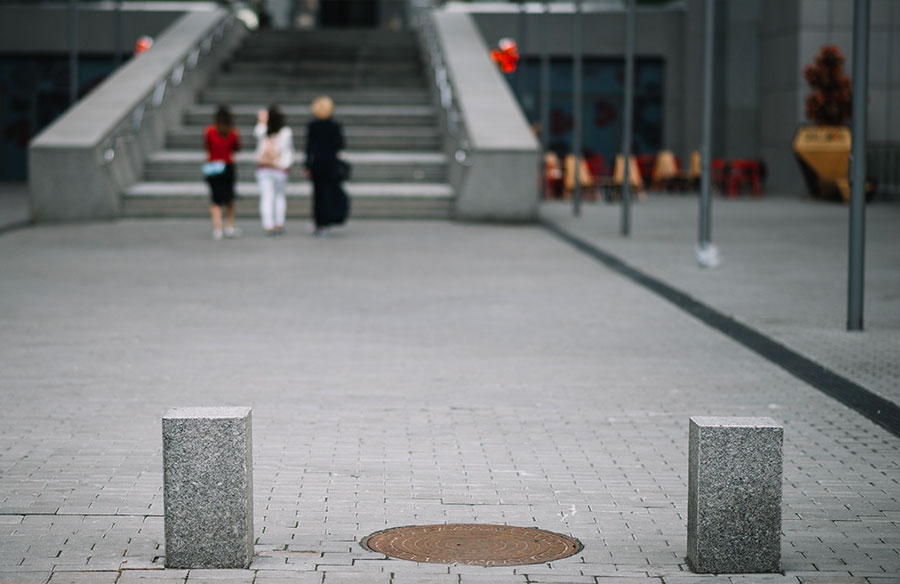
Choosing the right flooring for high-traffic areas is crucial for ensuring both functionality and longevity. High-traffic zones, such as entryways, hallways, and living rooms, endure significant wear and tear. The flooring in these areas must withstand constant foot traffic, spills, and other everyday stresses. This guide will help you navigate your options to find the best flooring solutions for these demanding spaces.
Factors to Consider in High-Traffic Flooring
Durability
Durability is key when selecting flooring for high-traffic areas. You’ll need a material that can handle frequent use without showing signs of wear and tear quickly. Look for options with strong wear layers or protective coatings that resist scratches and dents.
Maintenance
Maintenance is another critical factor. High-traffic areas are prone to dirt and debris, so choose flooring that is easy to clean and maintain. Some materials require regular sealing or special cleaning products, while others are more straightforward.
Aesthetics
While durability and maintenance are essential, aesthetics shouldn’t be overlooked. The flooring should complement the overall design of your home or business. Luckily, many high-durability options come in a variety of styles and finishes.
Cost
Cost is always a consideration. While it’s tempting to go for the cheapest option, remember that investing in higher-quality flooring can save money in the long run by reducing the need for repairs and replacements.
Top Flooring Options for High-Traffic Areas
Hardwood Flooring
Hardwood flooring offers timeless appeal and can add significant value to your home. However, it’s essential to choose the right type of wood and finish for high-traffic areas.
Pros and Cons
- Pros: Durable, classic look, can be refinished.
- Cons: Expensive, prone to scratching and water damage.
Best Types of Wood for High Traffic
Opt for hardwoods like oak, maple, or hickory. These types are known for their strength and resistance to damage.
Laminate Flooring
Laminate flooring mimics the appearance of natural wood or stone but at a more affordable price.
Pros and Cons
- Pros: Cost-effective, easy to install, resistant to scratches.
- Cons: Can be susceptible to moisture damage, not as long-lasting as real wood.
Ideal Uses
Laminate is a great choice for areas where you want the look of hardwood without the higher cost. It works well in residential settings and light commercial spaces.
Vinyl Flooring
Vinyl flooring is another versatile option that stands up well to heavy foot traffic. It comes in various styles, including planks and tiles.
Pros and Cons
- Pros: Water-resistant, affordable, low maintenance.
- Cons: Can be prone to gouging, may not have the same aesthetic appeal as other materials.
Different Types of Vinyl
- Sheet Vinyl: Good for seamless installations.
- Luxury Vinyl Planks (LVP): Offers the look of hardwood with added durability.
Tile Flooring
Tile flooring, including ceramic and porcelain, is incredibly durable and can handle high traffic with ease.
Pros and Cons
- Pros: Very durable, water-resistant, easy to clean.
- Cons: Can be cold and hard underfoot, grout lines can require maintenance.
Best Types of Tiles
Porcelain and ceramic tiles are particularly well-suited for high-traffic areas due to their hardness and resistance to wear.
Carpet Tiles
Carpet tiles are a versatile flooring option that combines the comfort of carpet with the practicality of tiles.
Pros and Cons
- Pros: Easy to replace, cushioned underfoot, variety of styles.
- Cons: Can show dirt more easily, not as durable as other options.
Recommended Brands
Look for brands that offer commercial-grade carpet tiles for the best durability in high-traffic areas.
Comparing Flooring Options
Cost Comparison
When comparing costs, consider not just the price of the material but also the installation and maintenance costs over time. Vinyl and laminate are generally more affordable upfront but may not last as long as hardwood or tile.
Durability and Longevity
Hardwood and tile tend to be the most durable options, with a longer lifespan compared to laminate and vinyl. Consider how long you plan to stay in your home or use the space when making your decision.
Maintenance Requirements
Vinyl and tile require less maintenance compared to hardwood, which needs regular refinishing. Carpet tiles are easy to replace but can require frequent cleaning.
Installation Tips for High-Traffic Areas
Professional vs. DIY Installation
For high-traffic areas, professional installation can ensure that the flooring is laid correctly, reducing the risk of damage and extending the lifespan of the material. However, if you’re confident in your DIY skills, many types of flooring, like laminate and vinyl, are designed for easier self-installation.
Preparing the Subfloor
A well-prepared subfloor is crucial for a successful installation. Ensure it is clean, level, and dry before laying down any new flooring.
Ensuring Proper Adhesion and Sealing
Follow the manufacturer’s instructions for adhesives and sealants to ensure the flooring remains securely in place and protected against moisture.
Maintenance and Care
Daily Cleaning Tips
Regular sweeping or vacuuming is essential to remove dirt and debris that can scratch and damage the flooring. For most types, a damp mop with a mild cleaner will suffice.
Handling Stains and Spills
Address spills promptly to prevent staining or water damage. Use appropriate cleaners for your specific flooring type.
Long-Term Maintenance Strategies
Periodic deep cleaning and inspections will help keep your flooring in top condition. For hardwood and tile, consider professional cleaning and sealing as needed.
Conclusion
Choosing the best flooring for high-traffic areas involves balancing durability, maintenance, aesthetics, and cost. Each flooring option has its own set of advantages, so consider your specific needs and preferences before making a decision. Whether you opt for the classic appeal of hardwood, the practicality of vinyl, or the durability of tile, investing in the right flooring will ensure your high-traffic areas remain both functional and stylish for years to come.
FAQs
- What is the most durable flooring for a busy household?
- Tile and hardwood are among the most durable options for high-traffic areas, with porcelain tile and solid hardwood being particularly resilient.
- How can I maintain my flooring in high-traffic areas?
- Regular cleaning, prompt spill management, and periodic deep cleaning or refinishing are key to maintaining flooring in high-traffic areas.
- Is laminate flooring suitable for homes with pets?
- Yes, laminate flooring is generally suitable for homes with pets due to its scratch resistance and ease of cleaning, though it may not be as durable as hardwood.
- What type of flooring is best for commercial spaces?
- Vinyl, tile, and commercial-grade carpet tiles are excellent choices for commercial spaces due to their durability and ease of maintenance.
- Can I install new flooring over old flooring?
- It depends on the type of flooring and its condition. Many new flooring materials can be installed over existing floors if the base is clean, level, and in good condition.







