

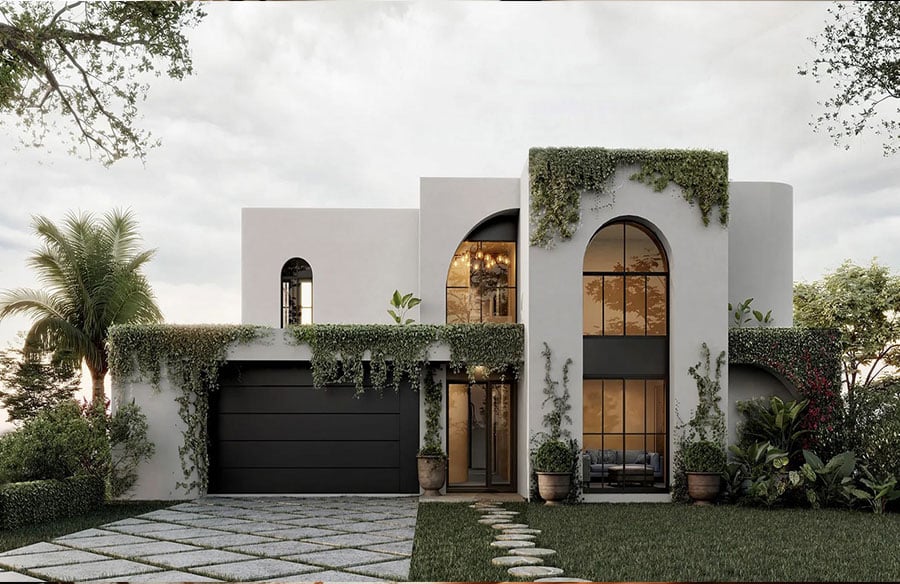
The field of architecture is continuously progressing, but one area that has made notable strides in the last few years is daylighting design. Leveraging natural light not only enhances a building’s visual appeal but also provides various health and sustainability advantages. In this article, we will delve into some of the latest cutting-edge trends in daylighting design that are reshaping architecture.
1. Biophilic Design: Integrating Nature into Built Spaces
One of the most popular daylighting systems in use today, biophilic design has gained significant traction as architects aim to develop spaces that foster a connection between individuals and the natural world. A key component of biophilic design involves integrating daylight into indoor structures. This trend highlights the use of windows, skylights, and strategically positioned openings to optimize the influx of natural light. By bringing elements of nature indoors, biophilic design has been proven to enhance productivity, boost well-being, and lower stress levels among occupants. Moreover, it reduces the need for lighting during the daytime hours, leading to energy conservation.
2. Dynamic Glazing Solutions: Adapting to Changing Lighting Conditions
Dynamic glazing solutions represent another advancement in daylighting design. These state-of-the-art glass technologies enable windows or open façade components to adjust based on variables like sunlight intensity, temperature fluctuations, or glare. This innovative feature allows for control over the amount of light entering a room at all times, ensuring visual comfort for occupants. By reducing heat from the sun in warmer seasons and maximizing light in darker months or times of the day, dynamic glazing solutions enhance energy efficiency while creating a pleasant indoor atmosphere.
3. Lightwell Design: Bringing Natural Light to Inner Spaces
Areas without direct access to outside walls can benefit from ample natural light through well-designed lightwells. A lightwell is a shaft that brings daylight into interior spaces by reflecting and directing sunlight deep into the building. Placing lightwells can effectively illuminate areas that would typically rely on artificial lighting alone. By using mirrors, prisms, or light-diffusing materials, architects can ensure optimal distribution of natural light, improving both the look and functionality of a space.
4. Solar Tubes: Harnessing Sunlight in Small Spaces
Solar tubes, also called sun tunnels or daylight pipes, are devices designed to bring light into even the smallest of spaces with limited windows. These tube-shaped structures capture sunlight on rooftops using dome-shaped lenses. The collected sunlight is then transferred through the interiors onto diffusers placed within indoor rooms. Solar tubes are a great option for spaces like corridors, closets, or small rooms where regular windows might not work well. They provide an eco-friendly way to bring in natural light instead of relying solely on artificial lighting, creating visually appealing surroundings. Moreover, incorporating solar tubes can help decrease a building’s dependence on electricity during the day and lessen the strain on HVAC systems.
5. Hybrid Light Systems: Blending Natural and Artificial Lighting
Hybrid light systems aim to strike a balance between artificial lighting and natural light for optimal lighting conditions. By combining well-positioned windows with energy-efficient artificial light fixtures, these systems adapt to changes in ambient light levels throughout the day using advanced sensors. This seamless coordination between natural and artificial light sources helps cut down on energy usage while ensuring adequate illumination.
6. Automated Shading Systems: Enhancing Natural Light Control
Modern architecture has embraced automated shading systems to effectively manage natural sunlight penetration. These systems employ sensors and software to monitor sunlight intensity, direction, and position throughout the day, automatically adjusting window coverings or external shading mechanisms as needed. By regulating the amount of sunlight entering a building dynamically, automated shading systems enhance occupant comfort and reduce dependence on artificial lighting sources.
Conclusion
Natural light also plays a role in enhancing energy efficiency by reducing heat absorption in warm seasons and maximizing solar heat absorption during colder months. In architecture, the trends in daylighting design are constantly changing as architects recognize the advantages of using natural light. By incorporating biophilic design principles and innovative glazing solutions, creating lightwells and solar tube installations, and utilizing hybrid lighting systems, architects can construct buildings that prioritize sustainability, occupant well-being, and aesthetic appeal, all at the same time.
Moving towards the future of sustainable construction practices involves embracing daylighting design trends not only for our present needs but also for the benefit of future generations. Through advancements in techniques and ongoing research endeavors, we can anticipate more and more cutting-edge solutions that push the boundaries of integrating natural light into architectural designs.







