

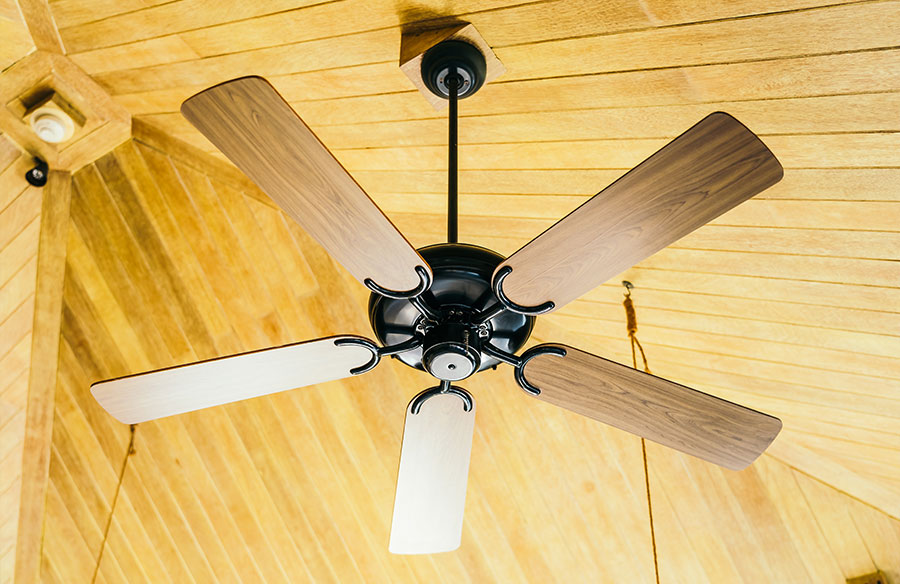
Gone are the days when ceiling fans were merely functional. These updated models contribute to your home’s comfort and style. A contemporary ceiling fan is no exception to this and although it may look like an intricate combination of technical components and fine aesthetics at first sight, a modern-day ceiling mounting fixture needs periodic attention for it to continue looking new. To ensure that modern ceiling fans go the distance, there are a few things you can do to keep them running smoothly and make sure your house stays comfortable. This article will explore simple guidelines on how to maintain one of these popular home cleaning appliances for better functionality in the long run so you always get optimum performance without having frequent breakdowns due to improper care or maintenance.
Regular Cleaning
Since modern ceiling fans have blades, dust, and dirt collect on them over time, they require regular cleaning. Blades can be cleaned with a microfibre cloth or duster. Carefully clean every blade and get the dust off. To clean, simply wipe with a damp cloth, or for more stubborn dirt use a mild soap. Feel free to turn it back on when both the fan and blades are dry.
The motor housing on your contemporary ceiling fan might acquire dirt and grime as well. Wet the outside of the divider with a soft cloth. It can be wiped clean with a damp cloth and if you have stubborn dirt, use a soap solution on the wet cloth to wipe it then finish off by wiping dry. Do not use abrasive materials or harsh chemicals that will harm the finish.
As your ceiling fan goes through the natural shifting and settling that comes with regular use, screws or bolts can loosen up which will directly affect its wobble-ability as well as add extra noise due to movement. Regularly check all screws and bolts for tightness, light fixtures, etc. Taking this step can protect against possible damage and a noisy, off-balanced fan.
The changes that have been made to ceiling fan motors over the years are so vast as to render this relatively straightforward chore almost completely unnecessary for today’s models. But if your fan’s motor is not sealed, it may require you to lubricate. Lubricate the fan motor according to your fan’s manual to prevent a motor malfunction.
In case the modern ceiling fan wobbles during operation, it may be a problem with unbalanced blades. An unbalanced fan does not just lower the efficiency further; it can also lead to damage over time. To align the blades, you may need to utilize a balancing kit that usually comes with your fan. Then you just attach the balancing weights to get those blades back even. This helps to evenly displace the weight and prevents any unnecessary wiggling.
Check that all electrical connections are tight and in good condition. Fans will not work properly or may become a safety hazard due to loose connections. Before you inspect the wiring make sure to turn off power to your fan at the circuit breaker. However, if you are not confident enough to handle electrical something it is advisable to call for a professional electrician.
Checking and Servicing Fan Parts
Check the blades for damage, like cracks or warping. The performance of the fan can be ruined by damaged or warped blades, so these will need to be replaced if this is the problem. To achieve balance and efficiency both of the characteristics depend on blade size, type/shape, and weight.
Light Fixtures
For modern ceiling fans that are equipped with light fixtures, it is good practice to regularly check the bulbs and fixtures. Replace them with the correct type and wattage as recommended by the manufacturer. Dust the light fixtures to get rid of any dirt that prevents them from casting their projected amount if the direct maximum.
Remote Control
The batteries in the remote controls of the fans need to be checked and if necessary replaced. Check the remote control and program it with the fan if required to run at all speeds. If the remote fails, refer to your user manual or reach out to a technical adviser.
Seasonal Maintenance
During the summer, adjust your contemporary ceiling fan to spin counterclockwise. By setting the blades to rotate this way, they push air downward allowing for a cooling breeze that can keep your home more comfortable and lower or eliminate the need for an air conditioner.
During the winter, adjust it to rotate clockwise at a low speed. Designed to recirculate warm air trapped near the ceiling, this setting is ideal for improving heating efficiency and comfort. Make sure your fan has a change direction switch that you can get to and utilize while transitioning between seasons.
Professional Inspection
Even if your current ceiling fan just needs some maintenance now and again to keep it in good working condition, we recommend a checkup from the pros once in a while. A professional can catch and fix issues that may be hard for untrained people to see. This refers to what electrical components are checked during installation, the performance of the motor, and how well it has been installed.
It is important to take good care of your modern ceiling fan so you can not only ensure its longevity but also maintain it looking and performing at its best for a long time. Following these maintenance tips—regular cleaning, tightening screws, lubricating the motor, balancing blades, and checking electrical connections and parts wearing down from age or malfunction. Maintaining your fan improves efficiency and comfort within any room.







