

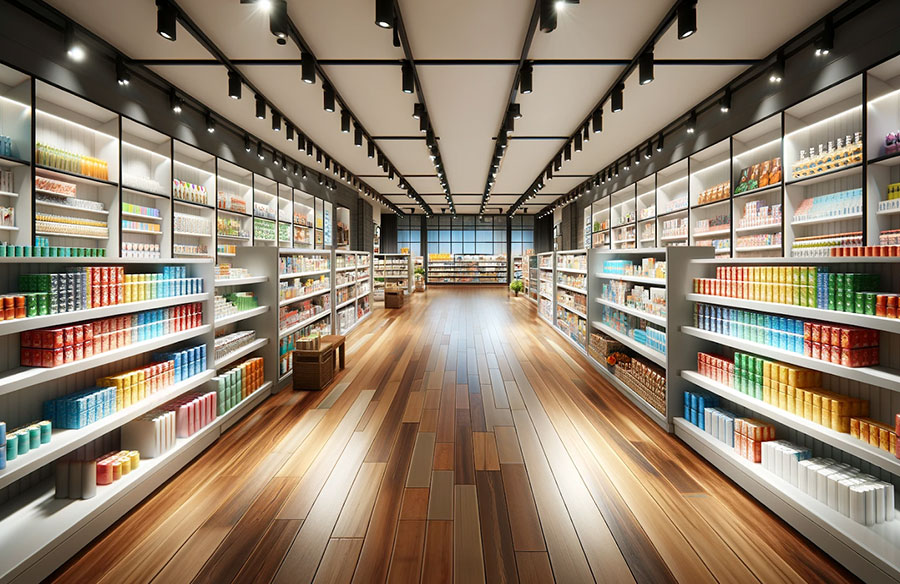
The retail industry is a complex ecosystem where brands are in a constant battle for customer attention and loyalty. In this competitive landscape, a well-executed merchandising solution can be a game-changer, helping businesses stand out from the crowd and attract more customers. In this article, we’ll explore how merchandising solutions contribute to capturing customers and boosting sales.
Understanding Merchandising Strategies
Retail merchandising strategies are usually multifaceted, covering a broad range of various methods that help to market products just as effectively as possible. The following are some of the key strategies employed by successful retailers:
Product Choice
Whether it be by the adjustment of pricing, the carrying of unique products, or the allocation of more resources toward customer service, retailers need to stay aware of market trends and adjust their strategies in a manner that keeps them competitive among rival brands in their respective industries. Brands choose products that shoppers demand and yield profits, which are just what brands want the most.
Store Navigation
Although the aesthetics of a rather detailed shop design may seem like a small thing, it can dramatically influence customers’ shopping joy. A well-established and easy-to-understand signage system, as well an organized and clear store sections, will boost the shopping experience and, in the end, bring down customer attrition.
Product Placement
Strategic product presentation offers a huge opportunity for market share increase. The most noticeable products being placed at a spot near the store entrance or simply the trendy items being placed at eye level can not only pull in customers but also make them purchase more.
Inventory Management
Maintaining a stocked inventory is undoubtedly important in order for the customers to have a seamless in-store browsing and shopping experience. Retailers have to realize that they will not sell their goods if their customers cannot find what they want when they want it.
Customer Assistance
Making sure that customer service is up to the standard is one of the most vital things that a shopper gets from the place. The grocer`s store assistants can come with a great influence in guiding their customers as well as helping them make a decision on what to buy.
Visual Displays
Visually striking displays do this by grabbing the attention of passers-by and making them interested enough to look around. Sales flyers and any in-store signs around new arrivals can definitely become trigger points for shoppers to part with their money.
How merchandising helps guide the customer
The significance of merchandising lies in its ability to enhance the shopping experience, maximize product visibility, and ultimately drive sales. Through strategic product display, pricing strategies, and promotional activities, merchandising influences customers’ perceptions and decisions at the point of sale. Here are some key merchandising strategies and examples:
1. Visual Merchandising
This is a susceptible way to showcase products in a creative process that will not only bring out the features and benefits of the products but will also make them attractive to the customers. The objective is to set up the store attractively and put products conveniently on display, for the customers to have an interesting browse and to buy if they find anything they like. As an example, a retail outlet could display new arrivals on mannequins dressed in trendy fashions to catch the eye of passersby who may then be enticed to come in and see those high-fashion pieces.
2. Product Placement
Doing so depends on the fact that high-demand or high-margin products should be placed on the shelves where they are the most visible or in areas that have a lot of traffic. For example, supermarkets have a strategy that consists of locating impulse-buy items such as candy and magazines by the checkout area when customers seem to be willing to buy extra products when they are the most likely to buy.
3. Cross-merchandising
This tactic entails placing the products that could fit together, side by side, in order to increase additional revenue. Retailers can both induce and re-direct customers’ attention toward other products of similar nature by correctly placing them next to each other. The meat section can be accompanied by grilling accessories, making a point that you can choose to have a perfect BBQ, which offers a complete option.
4. Seasonal Merchandising
Adjusting displays and product offerings based on the season or holidays can significantly attract customer interest. Retailers often redecorate their stores and rearrange product displays to reflect upcoming holidays, such as Christmas or Valentine’s Day, making the shopping experience timely and relevant.
5. Discounts and Promotions
Special offers, discounts, and promotions are powerful merchandising tools that can immediately capture customer attention. By advertising these deals prominently within the store or in the storefront window, retailers can draw in customers looking for value. For example, a “Buy One, Get One Free” offer on a prominent display can entice customers to purchase more than they originally planned.
6. Digital Merchandising
In the digital retail space, merchandising includes the layout of an online store, product photography, and interactive elements like virtual try-on features. For instance, an online furniture retailer might use high-quality images and augmented reality to allow customers to visualize how a piece of furniture would look in their home, thereby capturing their interest and increasing the likelihood of a purchase.
7. Storytelling
Creating a narrative around a product or collection can engage customers on an emotional level. Retailers might use themed displays that tell a story or highlight the origins and craftsmanship behind a product range, appealing to customers interested in authenticity and quality. For example, a store might create a “Farm to Table” display for organic products, emphasizing the story of local farmers and sustainable practices.
The Significance of Merchandising Solutions
Merchandising solutions are among the most critical factors in shaping the impression that customers have of the brand or product and effective communication of the value proposition. Everything in merchandising—that is, from the layout of the store to the packaging of individual items—exercises its own influence on the perception and purchasing decisions of the customers. This is the derived part of the merchandising. It alludes to the placement of the merchandise in the right position and displays and signage in such a way that an attractive, engaging environment is in place to invite shoppers to look around, facilitating sales. It will also allow the brand identity and the message of brand identity to be communicated in such a way that it will add power to brand positioning in the market and increase in brand recognition.
These are technologies that allow efforts to optimize merchandising. The key application of technologies in this area is data analytics and artificial intelligence (AI) algorithms that help in the understanding of customer behavior and preferences. The core sources of data that can be harnessed for useful insights into who buys what and which product is preferred by the customer would be the sales transactions, the consumer’s actions on the website, and social media activity. This information could then help in better merchandising and adopting marketing strategies that fit the needs and wants of their target customers by optimizing product placement, assortment, and pricing strategies for maximum impact.
In Conclusion
Ultimately, the power of merchandising solutions lies in their ability to create a memorable shopping experience that not only attracts customers but also motivates them to make purchases. As the retail industry continues to evolve, businesses that can adapt their merchandising strategies to meet changing consumer demands will be best positioned for success.







