

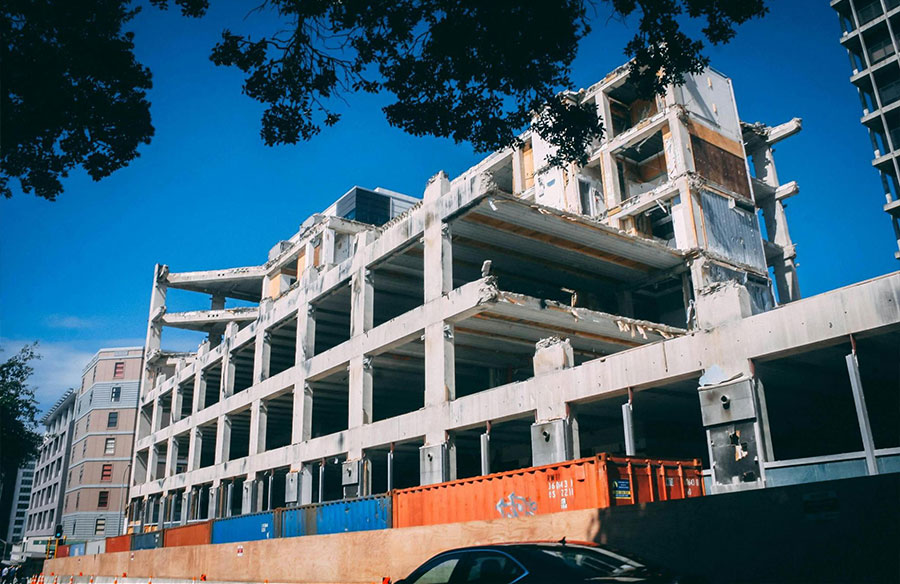
Demolition is a critical stage in the construction process, presenting unique challenges and hazards that demand careful planning and execution. As engineers and architects, our responsibility extends beyond designing and constructing new structures; we must also ensure that the tearing down of existing structures is performed safely and efficiently.
Let’s discuss best practices for safe demolition, emphasizing key aspects such as hazard identification, site preparation, environmental considerations, and legal responsibilities.
Understanding the Hazards
Demolition projects inherently involve significant risks. Understanding these hazards is the first step toward mitigating them effectively. Common hazards include:
Structural Instability
Partial collapses can occur unexpectedly, posing serious risks to workers and surrounding structures. Buildings slated for demolition may have weakened or damaged elements that can fail suddenly, leading to uncontrolled collapses. This instability can endanger not only the demolition crew but also adjacent buildings and passersby.
Asbestos and Hazardous Materials
Older buildings often contain asbestos, lead paint, or other hazardous materials that require specialized handling and disposal procedures. Asbestos fibers, when disturbed, can become airborne and pose severe health risks, including lung disease and cancer. Proper identification and removal of these materials are crucial to protecting workers and the environment.
Dust and Debris
Dust generated during demolition can significantly affect air quality and visibility on-site, leading to respiratory issues for workers and nearby residents. This dust can contain harmful particles, including silica and other contaminants, exacerbating health problems. Effective dust control measures, such as water sprays and dust barriers, are necessary to minimize these risks.
Falling Objects
Debris and materials can fall from heights during demolition, creating hazards for workers below and nearby properties. Falling objects can cause severe injuries or fatalities if proper precautions are not taken. Safety nets, barriers, and controlled dismantling techniques are essential to prevent such incidents.
Noise Pollution
High levels of noise generated during demolition activities can lead to hearing damage and communication difficulties on-site. Prolonged exposure to loud noise can cause permanent hearing loss and increase stress levels among workers. Implementing noise reduction measures, such as using quieter equipment and providing hearing protection, helps mitigate these risks.
Site Preparation and Planning
A successful demolition project begins with meticulous planning and site preparation. This involves several key steps:
- Detailed Site Survey: Conduct a thorough survey of the site to identify potential hazards, structural weaknesses, and the presence of hazardous materials. Use this information to develop a comprehensive demolition plan.
- Utility Disconnections: Ensure all utilities (electricity, gas, water, sewage) are safely disconnected before starting demolition to prevent accidents.
- Environmental Assessment: Evaluate the environmental impact of the demolition, including the disposal of hazardous materials, and develop strategies to mitigate negative effects.
- Permits and Regulations: Secure all necessary permits and ensure compliance with local, state, and federal regulations governing demolition activities.
Implementing Safe Demolition Practices
Executing a demolition project safely requires adherence to best practices and the use of appropriate techniques and equipment. Key practices include:
- Controlled Demolition Techniques: Use controlled methods such as implosion, high-reach arm demolition, or selective dismantling to minimize risks. Each technique has specific applications and safety considerations.
- Dust Control Measures: Implement dust suppression techniques such as water sprays, misting systems, and dust screens to protect air quality and visibility.
- Personal Protective Equipment (PPE): Ensure all workers are equipped with appropriate PPE, including hard hats, safety goggles, respirators, gloves, and steel-toed boots.
- Debris Management: Develop a clear plan for managing and disposing of debris safely. Use debris chutes, containers, and barriers to prevent accidents and environmental contamination.
- Communication and Training: Maintain open lines of communication among all team members and conduct regular safety training sessions. Ensure everyone is aware of potential hazards and emergency procedures.
Environmental Considerations
Demolition projects can have significant environmental impacts. As professionals committed to sustainable practices, it’s essential to incorporate environmental considerations into our demolition plans:
- Recycling and Reuse: Identify materials that can be recycled or reused, such as metals, concrete, and timber. Implement a waste management plan that prioritizes recycling and minimizes landfill use.
- Hazardous Material Handling: Safely remove and dispose of hazardous materials in accordance with environmental regulations. This includes asbestos, lead paint, and chemical contaminants.
- Noise and Vibration Control: Use techniques and equipment that minimize noise and vibrations, which can affect surrounding communities and structures. Implement noise barriers and schedule noisy activities during less disruptive times.
Legal Responsibilities and Personal Injury Law
Navigating the legal landscape of demolition requires an understanding of relevant laws and regulations. It’s crucial to be aware of personal injury law as it pertains to construction activities. According to lawyers with Harrell and Harrell, P.A. website, there are specific legal considerations to keep in mind:
- Liability and Negligence: If a worker or bystander is injured during demolition, determining liability is essential. This involves assessing whether the injury resulted from negligence, such as inadequate safety measures or failure to comply with regulations.
- Insurance Requirements: Ensure comprehensive insurance coverage for the demolition project, including general liability, workers’ compensation, and pollution liability insurance. This protects both the company and the workers in the event of an accident.
- Compliance with Safety Standards: Adherence to Occupational Safety and Health Administration (OSHA) standards is mandatory. Regular safety audits and inspections help ensure compliance and identify areas for improvement.
For further insights into safe construction practices and sustainable engineering, you may find these articles on re-thinkingthefuture.com helpful: Construction Safety Management and Sustainable Building Materials.
Emergency Preparedness
Despite the best planning and precautions, emergencies can still occur. Being prepared for such situations can significantly reduce the impact of an incident:
- Emergency Response Plan: Develop and implement a comprehensive emergency response plan that includes procedures for evacuation, medical emergencies, and communication with local authorities.
- First Aid and Medical Support: Ensure that first aid kits and medical supplies are readily available on-site. Train workers in basic first aid and CPR.
- Incident Reporting: Establish a clear protocol for reporting and documenting incidents. This helps in analyzing causes and preventing future occurrences.
Post-Demolition Site Management
Once the demolition is complete, managing the site effectively is crucial for the next phase of construction:
- Site Cleanup: Thoroughly clean the site of debris and hazardous materials. Ensure that the site is safe for subsequent construction activities.
- Soil Testing and Remediation: Conduct soil testing to identify any contamination and take necessary remediation steps to ensure the site is safe for new construction.
- Documentation: Maintain detailed records of the demolition process, including permits, inspection reports, and incident logs. This documentation is valuable for future reference and compliance verification.
Demolition, when done right, sets the stage for successful construction projects. By prioritizing safety, adhering to best practices, and understanding legal responsibilities, we can ensure that the tearing down of old structures paves the way for building up new, innovative, and sustainable designs.







