

Water is a precious resource that we all depend on every day. Whether it’s for drinking, cooking, cleaning, or watering our plants, water plays a vital role in our lives. However, water is not an unlimited resource, and it’s essential to use it wisely to conserve it for future generations.
One significant way to conserve water is by monitoring and controlling how much water we use. This is where flow meters come into play. Flow meters are devices that measure the amount of water flowing through your pipes. By installing a flow meter and becoming more aware of your water consumption, you can not only help conserve water but also save money on your water bill.
What is a Flow Meter?
A flow meter is a device used to measure the volume of water (or any other fluid) passing through a pipe or conduit. It works by detecting the flow rate, which is the amount of water passing through a specific point per unit of time. Flow meters come in various types and sizes, from simple mechanical devices to sophisticated electronic ones.
How Flow Meters Help Save Water
- Monitoring Water Usage: Flow meters provide real-time data on how much water you are using. This information allows you to identify any excessive water use or leaks promptly. By being aware of your water consumption patterns, you can make informed decisions on how to reduce unnecessary water usage.
- Detecting Leaks: One of the most significant benefits of flow meters is their ability to detect leaks early. Even small leaks can waste a significant amount of water over time. By monitoring your water usage with a flow meter, you can spot leaks quickly and take action to repair them before they become costly.
- Setting Usage Targets: With the data provided by a flow meter, you can set goals for reducing your water consumption. Whether it’s through behavioral changes or installing water-saving devices, having clear targets can motivate you to use water more efficiently.
- Adjusting Irrigation Practices: If you have a garden or lawn that requires watering, a flow meter can help you optimize your irrigation schedule. By knowing exactly how much water your plants need and adjusting your watering times accordingly, you can prevent overwatering and conserve water.
Types of Flow Meters
Flow meters come in different types, each suitable for different applications and environments:
- Mechanical Flow Meters: These are simple devices that use mechanical mechanisms to measure water flow. They are cost-effective and reliable for basic monitoring.
- Ultrasonic Flow Meters: These meters use ultrasonic waves to measure flow velocity. They are non-invasive and can be used for both clean and dirty water applications.
- Electromagnetic Flow Meters: Ideal for measuring conductive liquids like water, these meters use electromagnetic induction to measure flow rate accurately.
- Smart Flow Meters: These are advanced meters that can provide real-time data and connect to smart home systems. They offer detailed insights into water usage and can send alerts about leaks or unusual consumption patterns.
How to Choose the Right Flow Meter
When selecting a flow meter for your home or business, consider the following factors:
- Accuracy: Choose a meter that provides accurate measurements for your specific application.
- Compatibility: Ensure the meter is compatible with the type of pipe and water flow characteristics you have.
- Maintenance: Consider the maintenance requirements of the meter and choose one that suits your capabilities and budget.
- Cost: Compare the initial cost of the meter with potential savings on your water bill to determine the return on investment.
Installing a Flow Meter
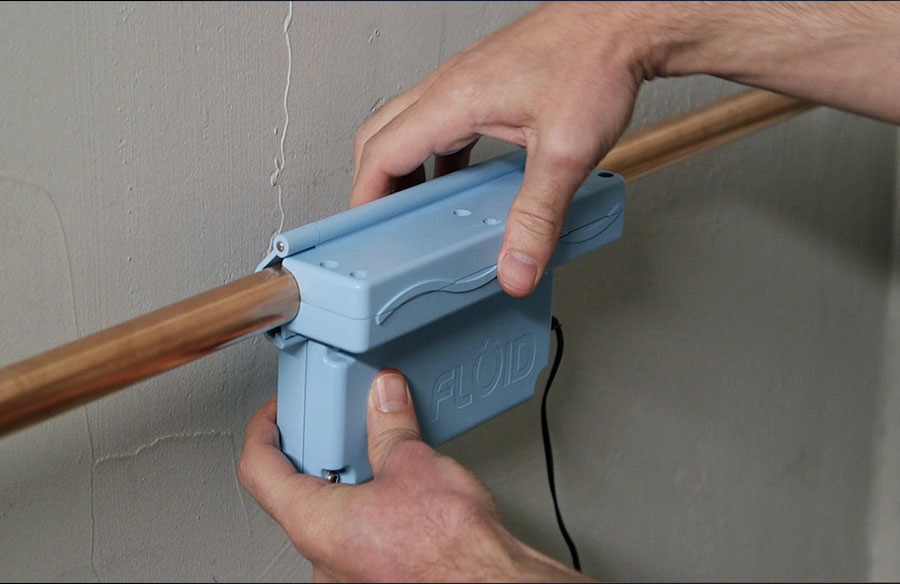
Installing a flow meter is typically a job for a professional plumber or technician. The installation process involves:
- Selecting the Location: Choose a location on your water line where the flow meter can be installed easily and where it can measure the entire water flow.
- Connecting the Meter: Connect the flow meter to the water pipe according to the manufacturer’s instructions. This may involve cutting into the pipe and ensuring a secure fit.
- Calibrating the Meter: Once installed, the flow meter may need to be calibrated to ensure accurate measurements. This step ensures that the meter accurately reflects the flow rate of water passing through it.
Benefits of Using Flow Meters
Using liquid flow meters to monitor your water usage offers several benefits:
- Cost Savings: By identifying and fixing leaks and optimizing water use, you can reduce your water bill significantly over time.
- Environmental Impact: Conserving water helps preserve this vital resource and reduces the environmental impact associated with water extraction and treatment.
- Data-Driven Decisions: Real-time data provided by flow meters allows you to make informed decisions about your water consumption and identify areas for improvement.
Tips for Water Conservation
In addition to using flow meters, here are some simple tips to conserve water at home:
- Fix Leaks Promptly: Check faucets, toilets, and pipes regularly for leaks and repair them promptly.
- Use Water-Efficient Appliances: Install water-efficient appliances like low-flow showerheads, toilets, and washing machines.
- Watering Wisely: Water your garden or lawn during cooler parts of the day to minimize evaporation.
- Turn Off Taps: Don’t leave taps running unnecessarily when brushing teeth or washing dishes.
- Educate Family Members: Teach your family about the importance of water conservation and involve them in your efforts.
Conclusion
In conclusion, water conservation is a crucial step towards sustainability and responsible resource management. Flow meters offer a practical solution to monitor and reduce water usage effectively. By installing a flow meter and taking steps to conserve water, you not only contribute to environmental conservation but also save money on your water bill. Remember, every drop counts, and together, we can make a significant impact on preserving our planet’s water resources for future generations.







