

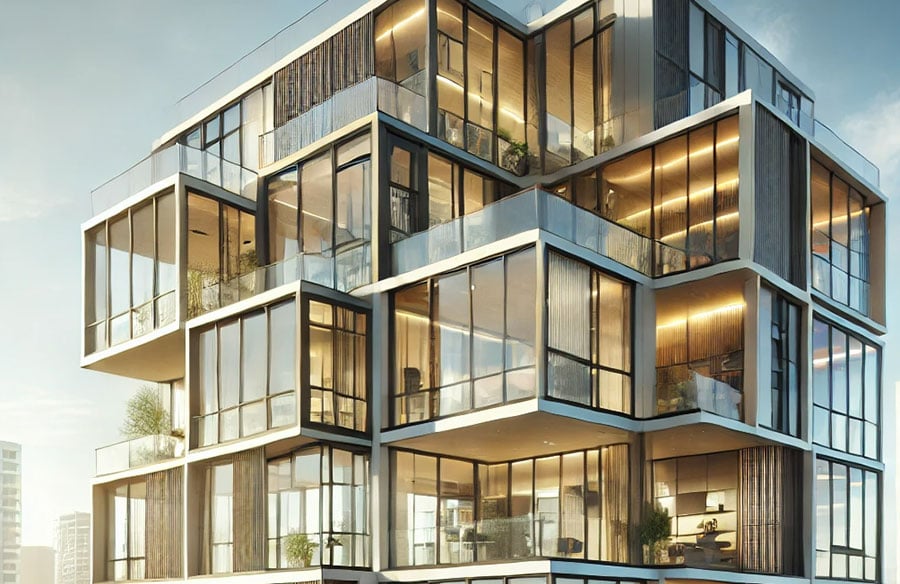
Windows have always been more than just an opening in the wall. They are the eyes of a building. A window provides an outside view, lets in light, and allows for ventilation. In the past, windows and doors were strictly used for their utility and effective use of space exclusively. However, decisions about their integration in modern design are quite different than in the past. They are now prerequisites that combine use with beauty, whereby they improve both the usage and outlook of structures. This evolution also relates to the general architectural trends regarding environmental friendliness and energy efficiency, increased use of the opening bridge, and the interaction of the interior and exterior space.
New Functionality of Windows in Modern Construction
Natural Light
Another feature commonly noted regarding windows in contemporary architecture is the opportunity to introduce natural light into buildings. The size of the windows, hence the letting in of natural light, can be strategically placed so that artificial lighting can be minimized, thus making the environment lighter and attractively brighter. It should also be noted that opening the work area to natural light has been determined to affect positive emotions, increase labor productivity, and contribute to people’s health. Big and transparent window openings provide as much natural light as possible and, thus, ensure less energy use and open and free floor plans.
Energy Efficiency
Windows are now critical in improving energy efficiency due to innovations in technology. New generation windows are double or even triple-glazed, coated with low emissivity materials, and filled with argon. Such features help check the interior condition and minimize heating and cooling expenses. Bright windows, which can automatically change the tone of the glass by using sunlight and temperature, bring a higher level of efficiency to the energy of climates inside the building. It outlines the growth of technology associated with windows in sustainable building practices.
Aesthetic Appeal
In current Architecture, windows are fashioned not merely for a purpose but for beauty. Windows is important in architects’ and designers’ works, and practicing with types of shapes, sizes, and positions to make the buildings’ outlook more attractive. That is where features such as floor-to-ceiling windows bring in an abundance of light and, at the same time, add the aesthetic value of a sleek finish. More precisely, the projecting windows, such as bay and bow, contribute to the proper look of any building as they combine the elegant elements of classic architecture with the tendencies of modern construction. Windows offers a vast spectrum of designs. Thus, it is easy to adapt them to any house, from the most minimalistic to modern.
Styles of Ventilation Included in Modern Architectural Trends
Floor-to-Ceiling Windows
Large windows extending from the floor to the ceiling, better known as picture windows, are typical of modern architecture. These windows run from the floor-to-ceiling level and allow one to come out directly into a covered verandah without a break in the view. They are most often installed in the interiors with open floor plans; they bring in a sense of openness and let the natural light inside. Large windows that reach from the floor to the ceiling visually enlarge the space of rooms and establish a closer connection with the outdoors. They are most common in urban areas as everybody mainly seeks to have as much light and space in their homes as possible.
Bay and Bow Windows
The bay and bow windows’ presence can be considered a modern take on traditionally used architectural features. Although the bay and bow windows are pretty similar in that both are made up of a large central window accompanied by two smaller ones at the sides, the distinction lies in the fact that while bay windows have the basic setup of the main window situated at the center of a wall with two other windows at an angle, bow windows have a curved structure and may comprise four windows or more. These window types give points of interest to the building’s architecture and build cubic shapes into the room’s design that could serve as shelf or couch spots. The current style of integrating the bay or bow windows with other parts of the house, their frames are slim, and most of the windows are divided into large panes of glass. Besides improving the aesthetics of the exterior design of a building, they also provide more usable interior space and expansive.
Skylights and Roof Windows
Skylights and roof windows are indispensable in modern construction, especially in big cities, where the penetration of natural light is impractical. These are referred to as skylights, while roof windows can be opened for ventilation. These windows are particularly suitable in homes and areas that may otherwise lack enough light, like the attics, the bathroom, and halls. Skylight and Roof Windows bring daylight and a ceiling window to a room, which changes the room’s outlook with abundant natural light and indicates the outer world. They are also employed to accentuate buildings’ features and to offer solutions for natural lighting in energy-efficient buildings.
Innovative Materials and Technologie
Smart Glass
Smart glass is an outstanding material that can radically alter the practical purpose of windows. This glass can vary in its characteristics depending on the conditions in the surrounding area, such as light and heat. Electrochromic and thermochromic smart glasses change color to regulate the light and heat influx into a building, promoting occupants’ comfort and energy saving. Anti-glare glass and ‘smart’ glass provide protection from glare as well as from the damaging effects of UV light on the furniture and fittings. It is an advanced means to regulate natural light and climatic conditions inside the building and is an essential aspect of contemporary windows’ design.
Sustainable Materials
The actual window material and its design also incorporate the concept of eco-sustainability in modern building construction. Something used that is recyclable and renewable, such as aluminum, wood, and even composite frames, is preferred in today’s constructions. AA quality arises from this material in its look, feel, and sustainability. For instance, aluminum frames are light in weight, durable, and can be recycled, while wood frames are good insulators and are environmentally friendly with a natural feel. It is important to note that practices on sustainable windows enhance the reduction of the impact on the environment, thus helping in promoting healthy living spaces.
Trends of Windows of the Future
Adaptive Windows
Adaptive windows are the innovation of the future when it comes to the design of windows. These windows can adjust to allow maximum light and heat regulation influenced by the weather. High-tech materials and lightweight options continue to bring adaptive windows into the mainstream and increase efficiency. Future designs might consist of windows that can regulate their level of transparency, as a regular Venetian blind regulates the level of light. Undoubtedly, integrated windows will have a crucial input in formulating a smart, responsive environment, buildings that learn the user’s needs.
Interoperability with smart home systems
One of the latest trends is the integration of Windows capabilities with smart home systems, which increases convenience and control. Smart windows can be interfaced with home automation systems so that the users can operate windows via a smartphone or voice commands. Smart windows offer convenient functions like opening and closing, regulating the degree of tinting, and being compatible with climate control systems, which seem essential for the contemporary house. All these are meant to improve the power and security of homes and the general management of homes.
Personalization
The area of window design has shifted towards the idea of personalization. Consumers and buyers of homes and building structures look forward to getting unique window styles that suit their needs. People can apply custom configurations of the windows, which can comprise different geometrical figures, dimensions, and colors, as well as different materials that fit the general building designs. The tendency of individualization provides the opportunity to introduce more imagination and differentiation in the work on the window, guaranteeing that each work will be physically distinctive and created specifically for a particular condominium.
Conclusion
Windows as the element of contemporary design development represents the further progress of the innovations proving that the solutions for office space can simultaneously be functional and beautiful.” From the fact that windows help to allow fresh air, let in natural light, and improve the energy efficiency of the buildings to their use in creating the aesthetic appearance of the structures, windows have become a total component of modern architecture. With the infinity of material and technology, Windows has great potential to become more intelligent, incorporated, and tailored. With technological advancement, windows will surely influence how we create architecture and the atmosphere of spaces, both functional and aesthetic, green and smart.







