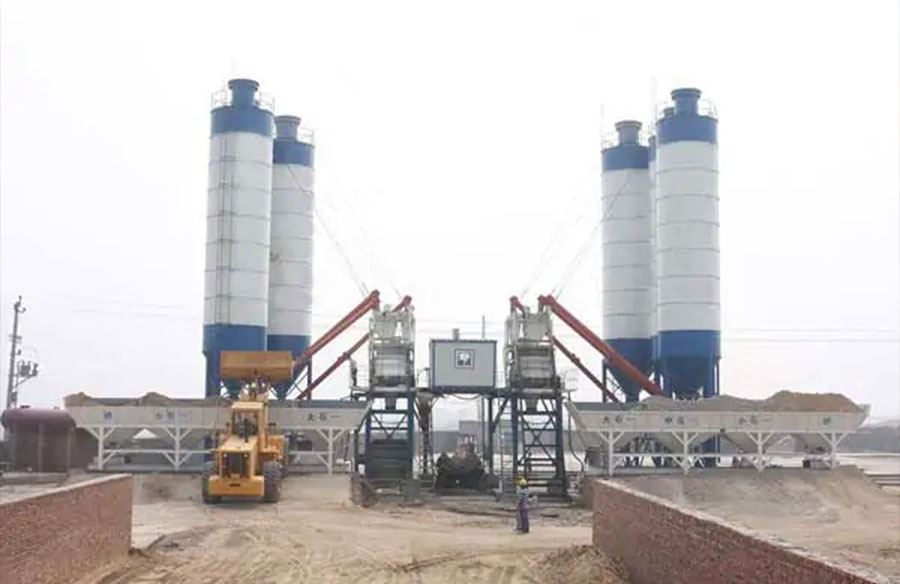
A concrete batching plant is equipment designed to combine specific ingredients to form concrete. These ingredients include water, sand, aggregates (such as rocks and gravel), cement, and additional elements like fly ash, silica fume, and slag. The plant typically houses several key components, including mixers, batchers, conveyors, silos, and control systems.
For detailed information about concrete machinery, including options available at www.block-machine.net, the core of the concrete batching plant is the mixer. There are multiple types of mixers, including tilt drum, pan, planetary, single shaft, and twin shaft. Each type has its advantages:
- Tilt Drum Mixer: Predominant in North America, this mixer is known for producing large batches of concrete.
- Twin Shaft Mixer: Popular in Europe and elsewhere, this mixer ensures a uniform mixture of concrete using high horsepower motors.
Key components in a concrete batching plant include:
- Mixers: Tilt drum, twin shaft, pan, planetary, and single shaft.
- Cement Batchers: Measure and deliver cement into the mix.
- Aggregate Batchers: Measure and deliver aggregates.
- Conveyors and Radial Stackers: Transport materials within the plant.
- Bins and Silos: Store cement and aggregates.
- Heaters and Chillers: Maintain optimal temperature for concrete mixing.
- Batch Plant Controls: Automate and manage the mixing process.
Concrete batching plants play a crucial role in modern construction by ensuring consistent and high-quality concrete production, leading to enhanced efficiency and superior project outcomes.
Types of Concrete Batching Plants
Different types of concrete batching plants cater to various needs in construction projects. Each type has distinct characteristics and applications.
Dry Mix Concrete Plant
A dry mix concrete plant combines dry ingredients like sand, gravel, and cement in a mixer. Water is added later in the delivery truck during transit to the job site. This method suits high-volume production and applications such as pre-cast concrete, ready-mix concrete, and shotcrete.
Wet Mix Concrete Plant
A wet mix concrete plant blends all ingredients, including water, before discharge. This type ensures thorough mixing, resulting in a cohesive and consistent mixture. It’s often used for projects demanding high-quality, uniform concrete, like bridges, highways, and large buildings.
Mobile Concrete Plant
A mobile concrete plant features modular designs for easy transportation and quick setup at different job sites. These plants offer flexibility and are ideal for small to medium-sized projects and remote locations where construction sites change frequently. Mobile plants maintain efficiency while minimizing installation time.
Stationary Concrete Plant
A stationary concrete plant operates in a fixed location, designed for long-term projects and high production rates. These plants handle large volumes of concrete production, making them suitable for large infrastructure projects, like dams, airports, and commercial buildings. With consistent performance and high output, they support demanding construction schedules.
How Does a Concrete Batching Plant Work?
A concrete batching plant combines cement, aggregate, water, and other materials in precise ratios to produce high-quality concrete. To understand its functionality, let’s break down the typical stages of the process.
Concrete Batching Plant Process Flow
- Material Preparation: The plant receives raw materials such as cement, sand, gravel, and water. Each of these ingredients is essential for the concrete mix, ensuring strength and consistency.
- Weighing and Measuring: The materials are weighed and measured according to specified proportions. Accurate measurement is crucial to achieve the desired concrete mix properties.
- Mixing: Ingredients are mixed in a large tank using mechanisms like a rotating drum or planetary mixer. This stage ensures uniformity and consistency in the concrete mixture.
- Transportation: The mixed concrete is transported to the construction site. Trucks or conveyor belts move the concrete, preserving its quality during transit.
- Placement: Concrete is poured into forms to create structures. Ensuring timely placement prevents the mix from setting prematurely.
- Material Storage: Raw materials are stored in silos or bins. This setup protects them from contamination and moisture, maintaining material quality.
- Material Retrieval: Materials are retrieved from storage and moved to the batching area. Automated systems streamline this step, reducing manual labor.
- Batching Control: Computer systems control the batching process. These systems monitor and adjust ingredient ratios, ensuring precision.
- Quality Control: Throughout the process, quality control checks are performed. These checks verify that concrete meets required specifications.
- Maintenance: Regular maintenance of the batching plant is essential. This includes cleaning mixers and checking control systems to maintain performance and reduce downtime.
Concrete batching plants are integral to modern construction, providing efficient and consistent concrete production. Understanding how they work highlights their role in delivering high-quality concrete for various projects.
Key Components of a Concrete Batching Plant
A concrete batching plant combines ingredients to form concrete. It’s composed of several essential components, ensuring efficient and high-quality concrete production.
Aggregates
Aggregates are raw materials, including sand, gravel, and rocks. These materials, stored in aggregate bins, provide structural strength to concrete. The bins have multiple compartments to store different sizes, optimizing the mix.
Cement
Cement acts as a binder in concrete. It’s stored in cement silos, which can have one or multiple compartments depending on the plant’s design. The silos ensure the cement is kept dry and ready for use, maintaining its quality.
Water and Admixtures
Water is a crucial component, initiating the chemical reaction that hardens concrete. Admixtures, added alongside water, improve the properties of the concrete. These chemicals improve workability, setting time, and durability. The plant measures and adds them in precise proportions.
Mixing Equipment
The mixer is the centerpiece of the batching plant. It blends cement, water, aggregates, and admixtures into a homogeneous mix. This ensures consistent quality and strength, crucial for construction projects. Mixers vary in type and size based on the plant’s capacity and requirements.
Advantages of Mobile Concrete Batching Plants
Portability
Mobile concrete batching plants offer unmatched portability, crucial for projects requiring frequent relocation. Unlike stationary plants, these units can be easily transported to different sites, saving time and labor.
Quick Setup
Setting up a mobile batching plant is fast and efficient. The modular design allows for assembly and disassembly within hours, reducing downtime and ensuring quicker commencement of concrete production.
Cost-Effective
Using mobile concrete batching plants minimizes transportation costs for ready-mix trucks. By producing concrete directly at the site, it eliminates the need for long-distance hauling, reducing fuel consumption and operational expenses.
Flexibility
These plants provide operational flexibility. They can be used for small, medium, and large-scale projects, adjusting production volumes as needed. This adaptability makes them suitable for diverse construction scenarios, from urban developments to remote infrastructure projects.
High Efficiency
Equipped with advanced mixing technology, mobile plants ensure consistent and high-quality mixes. Automated controls optimize batching accuracy, leading to reduced material wastage and improved production rates.
Reduced Environmental Impact
Mobile batching plants reduce the carbon footprint versus traditional methods. By mixing on-site, they cut down on transportation emissions and allow better control over dust and noise pollution.
Enhanced Productivity
Overall productivity enhances with mobile batching plants. Their ability to quickly transition between projects accelerates construction timelines, meeting tight schedules and deadlines more effectively.
Environmental Considerations
Concrete batching plants impact the environment in several ways. Mitigating these impacts involves strict adherence to regulations and the use of modern technologies.
Dust and Water Pollution
Concrete batching plants can generate significant dust and water pollution. Cement and fly ash are prominent contributors. Plants must be designed to prevent these materials from being blown, swept, or washed into gutters or stormwater systems, which can cause environmental nuisance and health issues. Sand and aggregates should be delivered in a dampened state and stored properly to minimize dust emissions during loading.
Equipment is crucial for dust control. Cement storage silos should have dust control technology, such as reverse pulse fabric filter dust collectors, to minimize emissions.
Water pollution occurs when water used in the batching process, which may contain cement, oils, and other pollutants, isn’t properly managed. Proper water treatment systems are essential to prevent contaminated water from entering natural water bodies.
Conclusion
Concrete batching plants play a crucial role in the construction industry by ensuring efficient and high-quality concrete production. Mobile batching plants, with their portability and advanced technology, offer significant benefits in terms of cost savings and operational flexibility. Addressing environmental concerns through regulations and modern technology is essential for sustainable operations. Understanding these aspects is key to optimizing construction processes and minimizing environmental impact.