

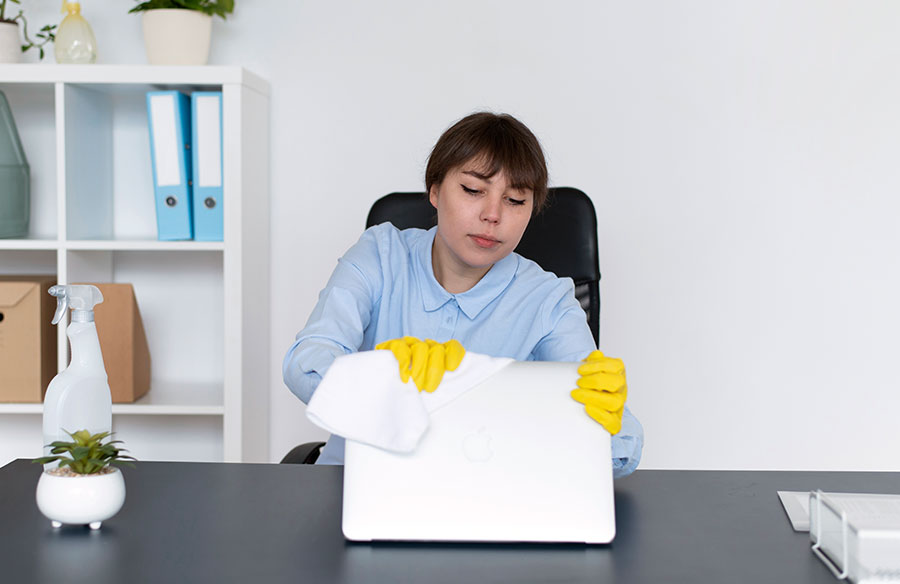
A tidy office increases employee productivity and ensures a workplace operates efficiently. A clean workplace can also be crucial to workers’ comfort. Unfortunately, an office can be a gathering ground for disease-causing microbes and viruses.
Cleanliness and hygiene must be maintained in any work environment. Here are some key tips on improving office hygiene.
Accessible Hand Sanitizers
Have hand sanitizers strategically placed throughout your office to gently remind employees of the importance of hygiene.
Neutralize Airborne Odors
Use air fresheners or odour neutralizers to help manage air care. Odors are noticeable. Ensure the environment is properly handled, especially in an older building with more prominent odours.
Have Signs Encouraging Hand Washing
Signage in the bathroom should encourage employees or guests to wash their hands before leaving.
Create an Office Hygiene Policy
Enact an office cleaning policy and provide it to all employees. Encourage personal hygiene among your team. Advise them on where to find hand sanitizers when needed and how they can help maintain a clean work setting.
Efficient Waste Disposal
Any environment creates waste, which is why we have trash cans. However, you don’t want waste building up and spilling over, so ensure bags are emptied at regular intervals.
Clean Regularly – Daily, Weekly, And Monthly
Improve office hygiene by setting up a list of cleaning tasks to be performed daily, weekly, and monthly. Hiring a commercial cleaning service can be very advantageous.
Focus On Your Common Touchpoints
Ensure you clean your touchpoints more often than other areas – handrails, door knobs, cabinet handles, table surfaces, countertops, light switches, computer keys, and the like. Any surfaces regularly touched by two or more people should be cleaned and disinfected daily.
Have a Monthly Cleaning Hour
For one hour every month, pause work and have your team clean their work areas. This may be a simple decluttering or tidying and may not even require the full hour, but monthly cleaning will ensure you stay on top of the overall state of your office.
Clean Your Bathroom Often
Ensure your bathroom is kept clean at all times. Have a schedule for cleaning the bathroom. Employees use it frequently during the day, and it should be kept extremely tidy—arguably more than any other area.
Ensure Bathroom Supplies Are Fully Stocke
Keep soap dispensers, paper towels, and toilet paper fully stocked. When they aren’t, this directly impacts office hygiene. Employees may not wash their hands or use the bathroom hygienically or politely.
Get a Dishwasher
A dishwasher encourages employees to rinse out dirty bowls and mugs and stack them for further cleaning in an automatic wash. Consider assigning an employee the responsibility of turning it on at set times during the day.
Prohibit Food in Certain Areas
Have a designated space for eating and drinking. Try to limit food waste to one area. This will reduce the amount of food particles and spills brought into your main work area.
Carefully Clean Communal Areas
Common areas are where things get left behind that require removal to keep office hygiene strong—warm foods left out to breed germs. Clothes are left out to do the same. Untidy surfaces and garbage not properly disposed of. Any daily cleaning should focus heavily on communal areas.
Clean Air Ventilation Vents
Make sure your air vents are cleaned at least once every six months. Dirt, debris, and bacteria can get trapped here, even if your vents appear on the surface to be hygienic and clean.
Clean Windows
Windows can also become covered in dirt, dust, fingerprint smudges, and debris. Spray and wipe them down with a glass cleaner. This will bring in lots of light and convey a message of care without displaying a ton of finger smudges.
Provide Sick Days to Employees
If an employee is sick, they don’t come to work. It’s that simple. Provide sick days. Absenteeism is unfortunate and leads to productivity losses, but a sick employee who comes in and infects more of your team will be worse. If someone’s ill, have them at home to rest.
Address Hygiene Issues Quickly
Cleanliness and workplace hygiene problems will arise. It may be an employee with poor hygiene, a toilet with an issue, an air quality problem, or a spill. Whatever it is, act promptly. If handled quickly, the issue will not worsen, and fewer people will be inconvenienced.
Seek Out Employee Input
Ask employees about work hygiene and cleanliness. See if there are problem areas they can identify that you still need to. They may share a concern or ask a question that spurs you to organize better cleaning processes.







