

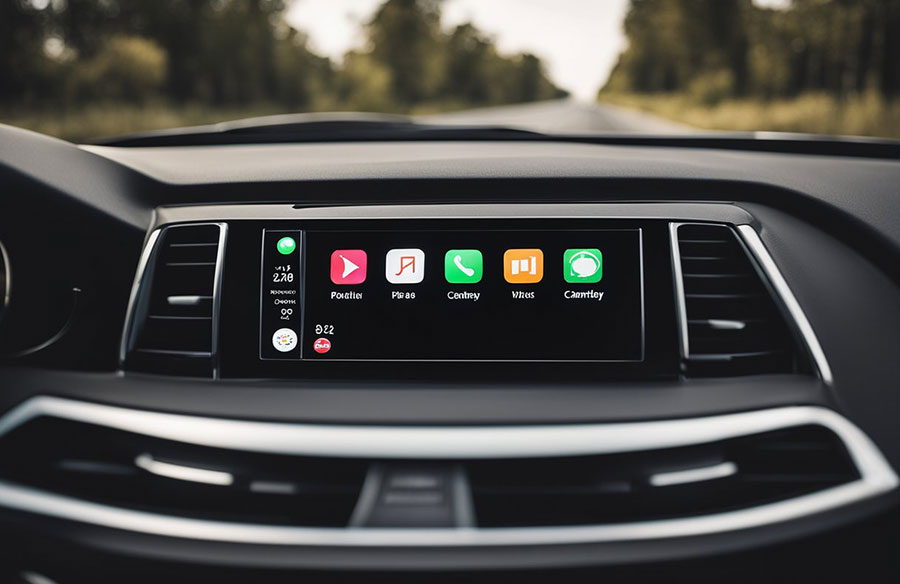
Apple CarPlay represents a significant shift in the integration of technology within vehicles, allowing drivers to access their favorite apps while keeping their hands on the wheel. CarPlay aims to reduce distraction by providing a simplified interface that mirrors essential apps from the iPhone to the car’s built-in display. This technology promotes safer driving practices by minimizing the need for drivers to look at their phones.
Research indicates that driver distraction plays a crucial role in many road accidents, raising questions about the effectiveness of such technologies. Critics argue that any interface, regardless of its ease of use, still presents potential distractions. Studies have shown mixed results, with some suggesting that while CarPlay reduces the time taken to complete tasks, it does not eliminate distraction entirely.
Despite the debates, CarPlay’s voice control features, such as Siri, offer drivers the ability to perform tasks hands-free. Enhancements in these voice-activated functions aim to make it easier for drivers to stay focused on the road. The impact of CarPlay on accident rates remains a topic of ongoing research, highlighting the balance between connectivity and safety.
Understanding Apple CarPlay
Apple CarPlay enhances the driving experience by providing seamless integration with iOS devices, offering features like navigation, communication, and entertainment directly through the car’s infotainment system.
Development and Functionality
Apple introduced CarPlay in 2014 as an innovative way to connect iPhone capabilities with vehicle interfaces. It provides access to essential iOS features such as Siri, Maps, Phone, Messages, and Music.
CarPlay interfaces vary slightly by manufacturer but typically include touch screen and voice control options. The system is designed to mimic familiar iOS interfaces, reducing the learning curve for iPhone users. Regular updates from Apple ensure that CarPlay remains compatible with the latest iOS features and applications. User safety is a priority, supported by voice commands that minimize distractions.
Compatibility and Integration
Apple CarPlay is compatible with many vehicles, often available as a standard or optional feature. It’s integrated into cars from various manufacturers including Ford, Toyota, BMW, and Honda. Compatibility requires an iPhone 5 or newer running iOS 7.1 or later.
To activate CarPlay, users connect their iPhone via USB or Bluetooth in supported vehicles. Some cars also support wireless CarPlay, allowing for a more seamless connection. Integration ensures access to Apple apps and services directly through the car’s display, fostering a familiar and intuitive user experience.
Apple CarPlay’s Impact on Driver Distraction
Apple CarPlay offers a convenient and integrated solution for in-car connectivity, aiming to reduce driver distraction. Key areas to focus on include its interface design and user interaction, as well as accident rate statistics and analysis.
Interface Design and User Interaction
Apple CarPlay’s design prioritizes ease of use and minimal driver distraction. The interface is intuitive, featuring large icons and simplified menus. Voice control through Siri allows drivers to navigate, place calls, and send texts with minimal manual interaction.
Touchscreen functionality is designed to be responsive and straightforward. This reduces the need for prolonged attention on the screen. Phoenix personal injury lawyer often highlight the importance of systems that minimize manual tasks to lower accident risks.
Injury lawyers in Phoenix often cite the need for ongoing improvements and strict adherence to using these tools responsibly to ensure safety.
Legal Perspectives and Liability
This section explores the legal landscape surrounding Apple CarPlay and its implications for driver distraction and accident rates. It discusses relevant laws and regulations, and the role of personal injury lawyers in related incidents.
Laws and Regulations Affecting In-Car Technology
Several jurisdictions have implemented laws that regulate the use of in-car technology like Apple CarPlay. These laws aim to mitigate driver distraction and enhance road safety. In the United States, for example, states like California have strict hands-free laws that penalize drivers for using handheld devices while driving.
Compliance with such laws is critical for manufacturers and users. Automakers integrate features that comply with regulations to avoid legal complications. Violations can result in fines, license suspensions, and could influence liability in accident cases.
The Role of Injury Lawyers in CarPlay-Related Incidents
In situations where an accident is allegedly linked to the use of Apple CarPlay, personal injury lawyers play a vital role. They investigate whether the technology contributed to driver distraction and gather evidence to support their clients’ claims.
Lawyers, such as Phoenix personal injury lawyers, can file lawsuits against drivers, automakers, or technology providers depending on the circumstances. Their expertise helps in navigating complex legal and technical issues, ensuring that responsible parties are held accountable.
Advancements and Future Directions
Apple CarPlay continues to evolve with significant technological improvements. Additionally, automotive safety and infotainment systems trends are shaping the future of in-car experiences.
Technological Improvements in CarPlay
Apple CarPlay has seen numerous updates aimed at enhancing user experience and safety. The integration of voice control technology allows drivers to interact with their devices hands-free, reducing distractions.
Newer versions of CarPlay also support multiple screen displays, providing more information without cluttering the interface. Features like wireless connectivity have eliminated the need for physical connections, making it more convenient for users to connect their devices.
The introduction of advanced navigation systems provides real-time traffic updates and route suggestions. Improvements in third-party app integration ensure a seamless experience across various applications, from music streaming to navigation.
Trends in Automotive Safety and Infotainment Systems
Recent trends indicate a strong focus on combining safety with infotainment. Driver assistance technologies, such as lane-keeping assistance and automatic braking, are increasingly integrated with infotainment systems like CarPlay.
Automakers are investing in augmented reality (AR) dashboards that project information directly onto the windshield. This innovation minimizes the need for drivers to shift their eyes off the road. Enhanced voice recognition is becoming more accurate and responsive, further promoting hands-free operation.
There is also a move towards customizable user interfaces that adapt to individual preferences, improving usability.
Collaboration between tech companies and automobile manufacturers is fostering the development of smarter, safer, and more intuitive in-car technology. This synergy is crucial for advancing both driver safety and convenience.







