

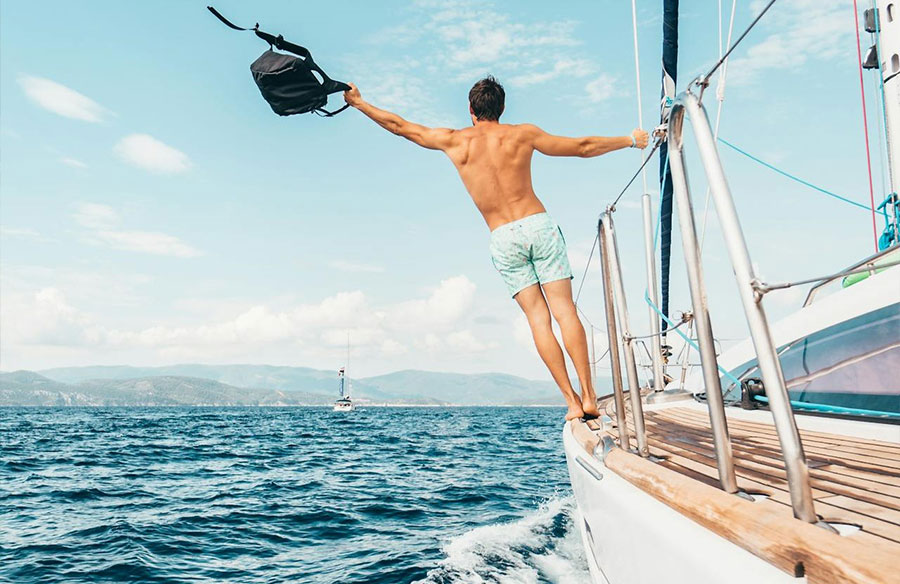
Renting a yacht is not just a leisure activity; it’s an exhilarating adventure waiting to be embarked upon. Picture yourself at the helm of your own crew and a powerful vessel, navigating serene lakes, picturesque beaches, and even foreign ports if the rental company offers such services. The thrill of the open water is yours to explore once you set your mind to it.
However, before embarking on any sailing adventures, enthusiasts should be aware of several key aspects of renting yachts, including yacht accidents, what they pertain to, and what you should do if one occurs. Here is everything you need to know before renting a yacht to avoid unnecessary hassle and headaches and how to deal with a yacht accident properly if it happens.
Renting a Yacht: The Basics
The first step before renting anything, including a yacht, is to thoroughly research the rental company. Look for companies with good reviews, licenses, and insurance. A licensed rental yacht company will usually meet safety standards and be accountable. They also offer insurance to cover the yacht, crew, and passengers in case of accidents and injuries. This preparation will give you the confidence to embark on your adventure.
However, even if they are licensed and insured, you should always read the rental agreement carefully and understand the terms and conditions, especially cancellation policies, liabilities, and responsibilities.
To avoid unexpected costs, identify any potential hidden fees in the contract. This can be anything from fuel to provisions. Once you understand your contractual obligations and rights, address any remaining concerns before renting the yacht.
You should inquire about crew qualifications, yacht safety features, and even maintenance history. With an experienced and qualified crew by your side, you are less likely to encounter safety issues and will be able to handle emergencies better should they arise.
Yachts must also be equipped with proper safety equipment and in good working conditions. These should include life jackets, flares, first aid kits, and fire extinguishers. If the yacht has a poor maintenance history, opt out of the renting.
Focus on yachts that are properly maintained. You don’t want the engines or other crucial components to fail on your ride. You can purchase comprehensive insurance to protect yourself should accidents occur, but you shouldn’t embark on a yacht without some prior knowledge of yacht operations and safety protocols.
Yacht Accidents
Yacht accidents can occur at all times. Some of the most common yacht accidents are caused by:
- Operator errors or mechanical failures
- Bad weather
- Collisions with other vessels or structures
Yet, yacht accidents do not occur solely due to ship mishandling. You can easily be injured if you slip and fall due to a poorly maintained surface, which falls under the responsibility of the crew and rental company. The worst yacht accident, of course, can result in death from drowning or crushing injuries, which can result in permanent injuries, lost wages, and other damages.
To recover damages after a yacht accident, it is essential to understand your insurance coverage and consider the laws and regulations applicable to your case. A yacht accident lawyer specializing in maritime and personal injury law can help you understand your rights and legal options after a rental yacht accident. Yet, what you do or don’t do during and after the yacht accident can also affect your case.
Dealing With a Yacht Accident
If you were injured in a yacht accident due to the negligent or intentional actions of the crew or another party, you can seek compensation through a personal injury claim. However, you must prove that:
- The entity that harmed you owed you a duty of care
- They breached that duty
- The breach resulted in your injuries
- You have suffered damages outside and because of the event, such as being unable to work and losing wages due to the injuries
You need to collect evidence, such as photos and witness statements, to showcase negligence. Depending on who the liable party is, you must demonstrate their role in the accident. For example, an operator might have been too inexperienced and caused the yacht accident. The yacht might have had defective components, or the equipment was not properly maintained.
In such accidents, more than one party can be held liable. But if you are ever in this situation, you must first prioritize your health and contact emergency services. Document the accident scene, file a boating accident report, and consult a maritime lawyer if you encounter challenges with the rental organization and the insurance company.







