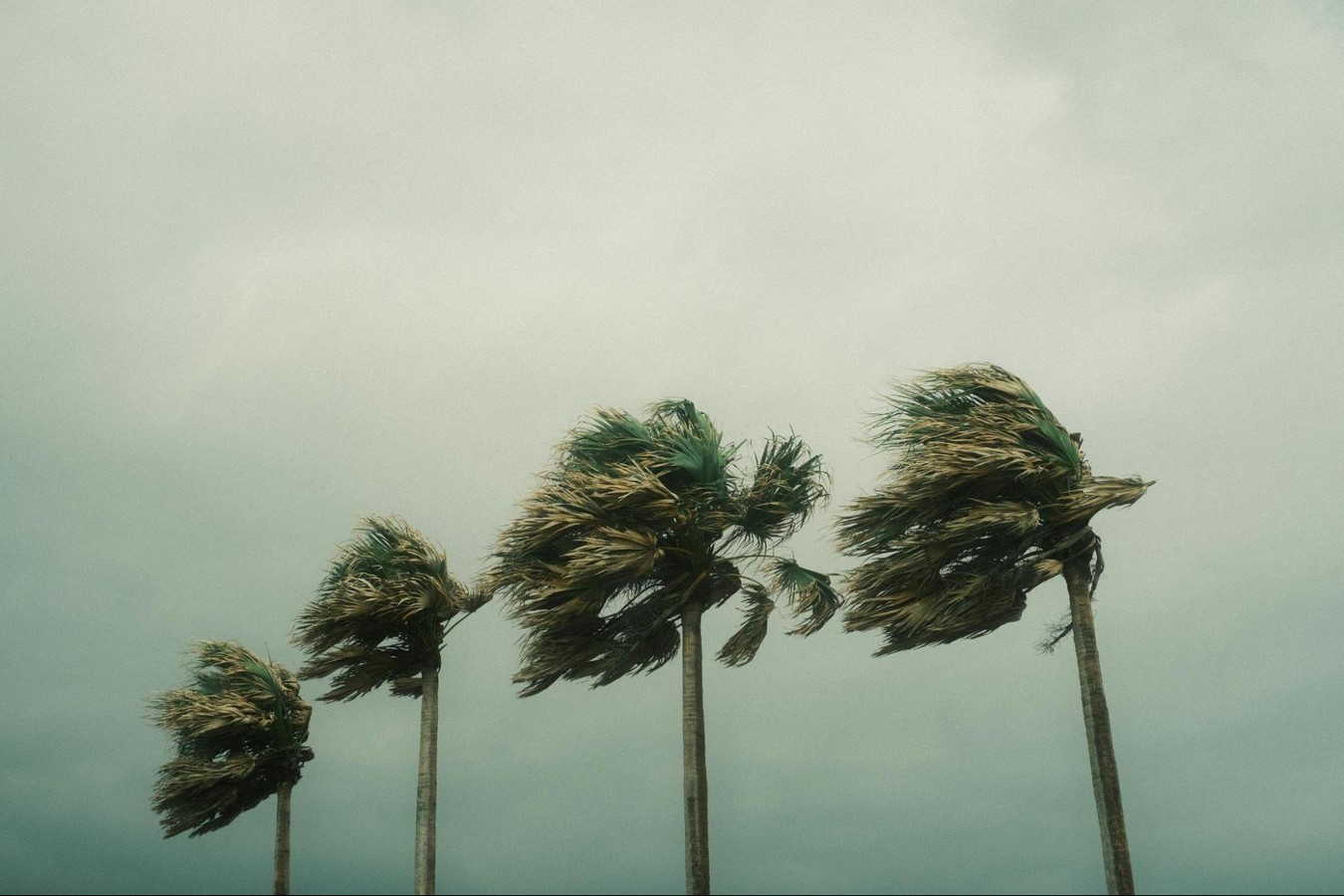
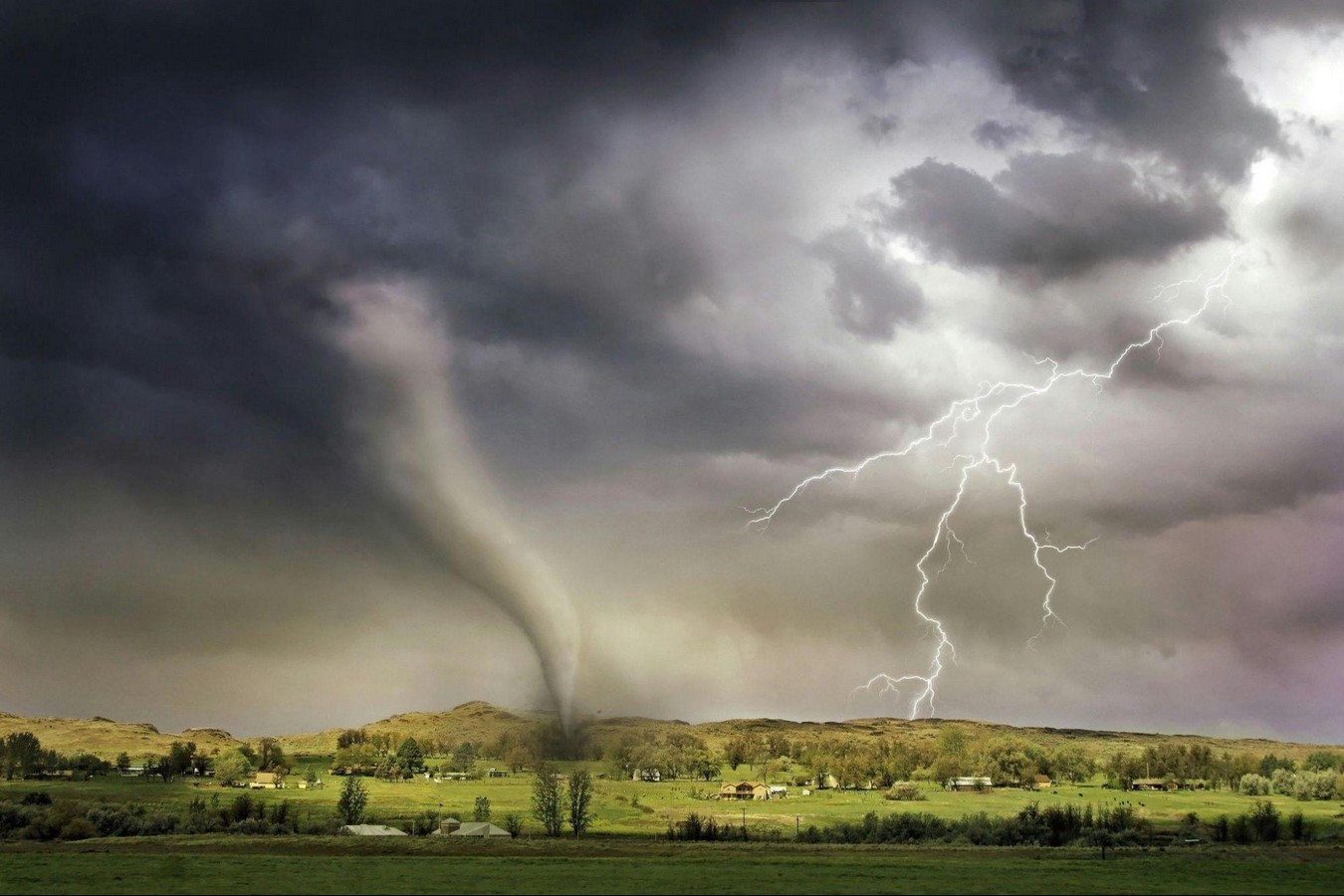
Hurricane season starts June 1 and can present many threats, from storm surge flooding and heavy rains, to damaging winds. To stay safe this hurricane season, know your evacuation zones, collect an emergency supply kit and review insurance policies as soon as possible.
Know Your Neighbors
Getting to know your neighbors can help ensure you evacuate safely and find assistance during a crisis. They may provide a spare key should you be unable to enter or switch off utilities; they might also keep an eye on your property while you’re gone.
Make sure you know if you live in a flood zone or evacuation area by consulting hurricane maps of your locality and looking out for storm surge flooding risks in your area. You can click the link: https://www.nhc.noaa.gov/ for more information. Hurricanes may also produce extreme rainfall which could result in floods even if a given area doesn’t normally experience floods.
Stay indoors and stay away from windows; remain vigilant of downed power lines, gas leaks and other hazards; listen to local radio and television broadcasts for instructions from public safety officials; bring along your family emergency plan as a guide when leaving home; if needed, set a designated meeting place.
Make a Plan
Step one of hurricane preparation is creating a plan. Sit down with your family and decide where you would go should evacuation be necessary, including plans for pets. Remember that hurricanes don’t only produce winds – they also bring flooding from storm surges and heavy rain, tornadoes, high surf conditions and rip currents that must be considered when planning.
Make sure that everyone in your household knows and can access your evacuation plans and have copies. When faced with tropical storm or hurricane force winds, shelter in an interior room with windows closed is best protection; otherwise evacuate immediately upon being advised and practice evacuation routes to bring your disaster kit with you.
Prepare a Disaster Kit
As part of your hurricane preparations, it’s essential that you gather supplies and develop an emergency plan. A key element of an effective emergency preparedness plan should include an emergency kit containing enough non-perishable food and water supplies to last three days should an evacuation or power outage occur, plus flashlight, battery-powered radio, extra cash and any necessary medical items – stored conveniently in an easily transportable duffel bag or suitcase.
Your emergency kit should include a first aid kit, disinfectant supplies and any medication necessary for your household. In addition, having extra clothes and shoes ready as well as sleeping bags or blankets would be wise. You can click here to learn more.
Finally, have copies of all important documents including copies of personal ID cards kept in a waterproof container as well as important numbers including local emergency management office numbers, evacuation sites on hand in an event of an evacuation situation.
Prepare Your Home
Before hurricane season arrives, it is wise to assess your home’s vulnerability to storm surge, flooding and strong winds.
Make sure your roof is secure; in hurricane-prone zones check whether building codes require impact-resistant windows and doors as part of their building code requirements. The process of impact window installation can help you secure your home against inclement weather. A knowledgeable professional can complete the process quickly.
Establish a safe room within your house for you and your family to shelter during a hurricane, such as interior, windowless spaces like bathrooms or closets. Also create an evacuation plan in case authorities instruct you to evacuate; familiarizing yourself with evacuation routes while finding somewhere safe like friends’ or relatives’ houses can be useful resources.
Prepare Your Car
As you prepare your home and car for an incoming storm, don’t overlook your vehicle! You will be thankful to have it in top working condition with an ample supply of fuel and an emergency kit ready to go should any sudden outburst occur.
Plan regular vehicle maintenance to prevent future issues with your ride, such as tire rotation and an inspection of battery, fluid levels and brakes. No one wants bald tires while trying to navigate through flooded areas or spongy brakes while driving through busy streets!
If possible, move your vehicle to a safer spot – such as inside a garage or near buildings offering protection from flying debris during storms – which could prevent costly damages to its exterior and interior surfaces.
Prepare Your Pets
Pets are integral members of any household, yet can be at great risk during disasters. If it is safe, always take your pets with you when evacuating, as leaving them behind could place them at risk of starvation, contamination of food or water supplies and predators.
Assure your pets are microchipped to facilitate reunion after the storm passes. Keep pets inside during a hurricane (if possible) and do not allow them to wander during or after it has passed; dogs should be on leashes with reflective tape or flashlights attached, while it would also be wise to prepare a small pet first aid kit with gauze, bandages, hand-powered can opener and medications necessary for their care.
Keep a list of hotels or motels outside your evacuation zone that accept pets, and contact them to verify if they accept pets and what policies apply. Keep copies of your pets’ medical records stored safely if boarding takes place at kennels or shelters.
Don’t Forget About the Small Things
Hurricanes can be devastating threats, wreaking havoc with flooding, wind damage and storm surge across vast inland regions. Learn how to prepare yourself and your home in case a tropical storm or hurricane makes landfall this season; also keep up-to-date on any updates provided throughout its existence.
Remember that even small things can have a dramatic effect. Prioritize safety for you and those around you by sealing any openings in walls such as vents, outdoor electrical outlets, garden hose bibs or locations where cables or pipes pass through with high-quality urethane-based caulk; this will also reduce flood waters getting inside.
Rethinking The Future (RTF) is a Global Platform for Architecture and Design. RTF through more than 100 countries around the world provides an interactive platform of highest standard acknowledging the projects among creative and influential industry professionals.
We use cookies to ensure that we give you the best experience on our website. If you continue to use this site we will assume that you are happy with it.