

Shipping fragile products is always risky. In the e-commerce landscape, most businesses face complaints like damaged glassware, electronics, ceramics, and antique pieces during transit. Inappropriate packaging is the main factor in the unsafe transit of such fragile items. Loose and low-quality packaging can cause the product to be tossed or flipped up resulting in damage. So, what’s the solution?
A perfect packaging material matters a lot to provide a remarkable hold during transit. Using the best quality material and ensuring a snug fit can protect your fragile items from the rigors of shipping. But what exactly are considered “the best” options?
Here’s everything you need to know about choosing the right packaging material for your fragile items.
Selection of Packaging Material
Material matters the most in packaging, as the longevity and sturdiness of a packaging box largely depend on the core material used. Choose an appropriate packaging material that provides an overall robust structure. These are some packaging materials most commonly used to protect almost all kinds of fragile items:
1. Rigid Material
Rigid materials are among the sturdiest forms of packaging. Options to explore in rigid include glass, solid cardboard, metal, and hard plastic. Rigid materials are widely used for packaging expensive items such as jewelry. It’s valued for its exceptional strength and endurance to external factors, particularly during product shipping.
2. Corrugated Material
Corrugated packaging is made of a wavy sheet stuck between two flat sheets. This design makes it very strong, long-lasting, and enduring for absorbing shocks. Corrugated packaging comes in varying options for material thickness, sizes, and shapes. Therefore, corrugated packaging solutions are relatively more versatile than rigid packaging.
3. Cardboard Material
Cardboard packaging is lightweight, flexible, and durable at the same time. It’s made from a type of paper that can be bent into different shapes and patterns. Such flexibility ensures a tight fit for fragile products. It’s almost as versatile as any other packaging material.
However, cardboard has a slight edge over other options for its cost-efficiency and eco-friendly nature. Choose custom cardboard packaging for extremely delicate products like glassware, fragile décor items, and candles. Discover customizable candle boxes made from robust and flexible cardboard. Make sure your valuable items are delivered to the recipient in the best condition.
4. Kraft Material
Kraft paper is not only a long-lasting packaging material but is highly sustainable as well. It has a natural appearance and decomposes naturally as well. So, if you’re implementing sustainable measures in your brand packaging, Kraft should be your optimal choice. It may not be as tough and sturdy as others, but it works great for making paper bags and using inside packaging boxes as inserts.
5. Tin Packaging
Tin is an old-school packaging solution that is by far the sturdiest option to date. It’s widely used for food products, candles, cosmetic items, and medicine. Tin doesn’t get damaged by water and rust. It shows superb resistance to external factors such as heat and moisture. Tin packaging is also a sustainable choice, thanks to its reusability.
Using Customized Inserts for Added Protection
Fragile products like candles, glassware, and jewelry always need a snug fit. But that’s not enough. There should be an extra layer of protection around the product for more endurance. That’s where customized inserts work the best.
These are the options for customizable inserts in packaging:
Crinkle Shred Paper
Crinkle shred paper is used simply to fill up empty spaces inside packages. It’s a sustainable material and works great for packaging common gift items. Using this material can help you ensure you follow your sustainability goals.
Bubble Wrap
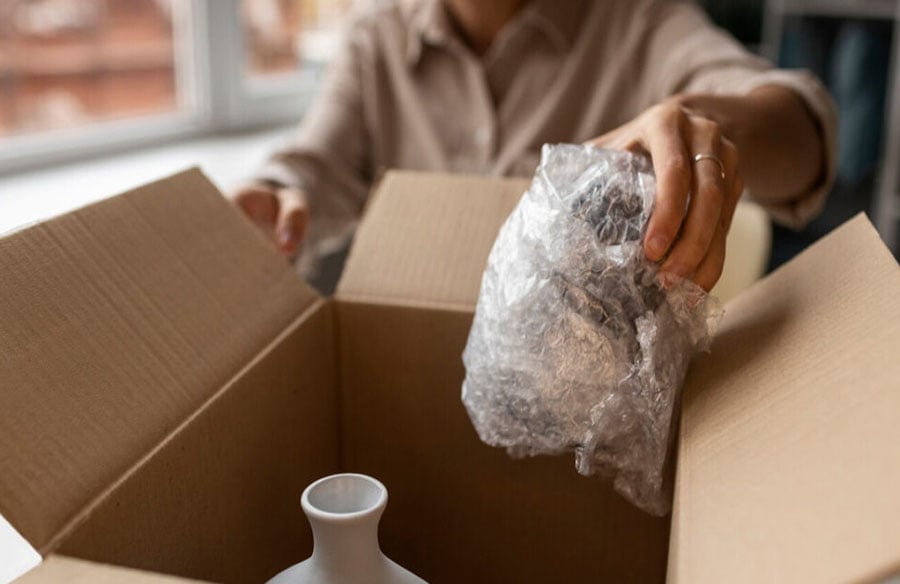
Bubble wrap is another popular option largely used as inserts for packaging. It’s particularly good at soaking up bumps and hits, which lowers the chance of your fragile items getting damaged during transit.
Packing Peanuts
Packing peanuts are tiny, light pieces of foam used as a loose-fill packaging option. They’re great at absorbing bumps and can adjust to the shape of the things they’re around. Adding this material to your packaging can ensure the safety of your products.
Foam Sheets
Foam sheets are light but strong padding used to protect extremely delicate items such as candles. They’re customized in the exact shape and size of the product and work as special inserts for extra safety. Foam sheets are best at resisting impacts, bumps, damages, and external pressure.
Styrofoam Blocks and Inserts
Styrofoam blocks and inserts give strong protection for heavy products. Although Styrofoam sheets are primarily used for building and thermal insulation, custom cutouts can be used as inserts in product packaging. They can also be molded into different shapes and sizes to keep the products safely in position.
Shrinkwrap
Shrinkwrap is a bendy plastic cover that can be sealed with heat around products to give a close and safe fit. It’s often used to hold things together and give some extra safety. Shrinkwrap effectively blocks dust and moisture. Therefore, it’s ideal for products susceptible to heat, water, and moisture.
Corner Protectors and Edge Guards
Use corner protectors and edge guards for things with sharp edges or corners. Common materials for edge guards include rubber, foam, or plastic. Adding these materials can easily boost the safety of your products.
Wrap Up
When choosing an appropriate packaging material for your fragile items, you need to consider factors like the product’s nature, material, endurance, shape, size, and sustainability. Always go for box inserts when packaging delicate products prone to even the slightest bumps. Customizable inserts keep your products safe in position, preventing them from tossing or flipping up.







