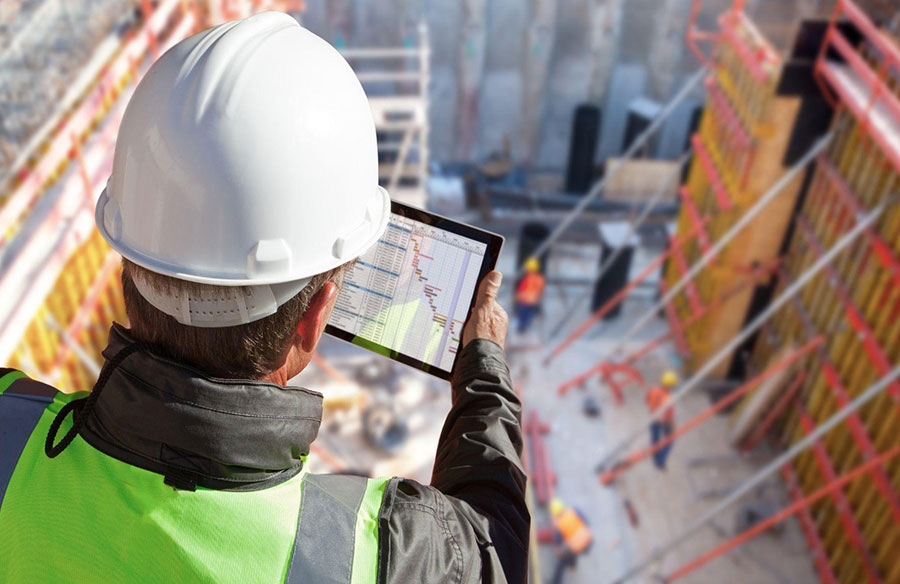
With the world evolving at a fast pace, architectural and construction industries are undergoing a massive digital makeover with the integration of digital technologies. The construction industry has always been a Luddite to digitalization and is known as the least digital field in global sectors. The reason being the reluctance of professionals to utilize digital tools and government regulations. The international study conducted by RICS (2022) states that 40% of the construction industry don’t use digital technologies in their workflow and projects, irrespective of the scale.
This hesitation about the integration of digital technologies results in various snags throughout the project lifecycle. Services like project management, facility management, asset management, etc. are affected resulting in compromised quality, budget overruns, and delays in providing the deliverables which in turn affect the productivity of the workforce.
To resolve these issues and address this lack of digital integration in the industry it is crucial to adopt the Digitization of a Building Lifecycle.
What is a Building lifecycle?
Building lifecycle- a self-explanatory term, refers to the various phases a building goes through from conception to its demolition or reuse. These phases typically include:
Planning and Conceptualizing Phase
Design Phase
Construction Phase
Post-construction Phase
Deconstruction or Demolition Phase
Understanding the building lifecycle is of utmost importance as it helps stakeholders manage resources, plan for maintenance and upgrades, and make informed decisions throughout the building’s lifespan.
Blueprints to Bytes: Revolutionizing construction through digitization.
Digitalization of any service or product has the power to upgrade the workflow of the organization drastically. It helps foster collaboration, streamline work processes, and enhance efficient decision-making within the workforce.
According to the RICS (2022) survey, only 11% of building professionals use digital tools in all their project lifecycle and 18% in most of them. These professionals, although not in the majority, report an immense amount of progress in monitoring and safety. Digitization also helped them in addressing sustainability and environmental impact.
When it comes to the digitization of the lifecycle of a building, the integration of the Internet of Things (IoT), Machine Learning, and other digital tools will facilitate efficient operations and management strategies.
Advanced Digital Breakthroughs:
Digital tools are revolutionizing the building lifecycle digitization by offering endless opportunities for efficiency and innovation throughout the industry. These digital resources empower stakeholders to make informed decisions and optimize resource utilization.
Let’s take a glance at the digital tools ruling the realm of Building Digitization,
1. Building Information Modeling- BIM:
At the heart of the digitization revolution lies Building Information Modeling BIM, BIM allows architects, engineers, and contractors to collaborate on a digital representation of the building, which replicates the on-site conditions. A comprehensive BIM model incorporates specifications and data on each component of a building structure. BIM streamlines the design process and allows the respective project participants to visualize and simulate various layouts and frameworks before the execution process. This results in informed decisions and fewer design errors on account of error prediction.
2. Digital Twins:
According to Siemens, we have to agree on one thing and that is,“Buildings are Talking”.They are talking, via integrating Digital Twinning for building lifecycle management. Digital Twins are Digital Replicas of the physical assets of a building facility. They integrate real-time behavioral data captured from IoT sensors to virtually replicate the building structure.
Digital twins are a virtual representation of the built environment that offers the stakeholders immersive access to critical building intelligence in real time. These “Living” models provide enhanced predictive maintenance and optimize processes through digital simulation. Digitization can play a crucial role in sustainability management by aiding companies in reducing their carbon footprint.
3. Internet of Things (IoT) sensors and devices:
IoT sensors are extremely crucial when it comes to digitization of the lifecycle of a building facility. Integration of these sensors offers real-time data on various aspects of building performance such as temperature, humidity, occupancy, and equipment status. IoT sensors and devices enable enhanced occupant comfort and safety throughout the building’s lifecycle.
4. Project and Facility Management Software.
Digitalization heavily benefits the management sector of a construction process, as it requires constant monitoring and predictive maintenance, both factors offered by digital tools. Project management software like Autodesk BIM 360 and Oracle Primavera digitizes the planning, coordination, and execution of projects, which results in streamlining communications and document management amongst stakeholders. Software like ARCHIBUS and AssetWorks optimize facility maintenance processes, track equipment performance, manage space utilization, and ensure regulatory compliance. This enhances the sustainability and efficiency of the building throughout the lifecycle.
As and when this industry starts to extensively adapt to digitization, the future of building lifecycle management will promise even greater advancements in productivity and environmental responsibility.
Construction Lifecycle of the Building and its Digital Renaissance.
Digital technologies are reshaping and challenging the traditional approach to all the phases in the construction lifecycle. These phases can be optimized using digital technology.
Let’s explore how digitization can reap the benefits that come with digital integration to the construction project, at each phase of a building lifecycle.
Phase 1: Planning and Conceptualizing Phase
Executing a building using digital technologies ensures that the planning and conceptualizing data is constantly updated in real time. This helps in maintaining clear communication and a definitive role allocation, which in turn enhances productivity amongst project stakeholders from the planning stage itself.
With the help of centralized building data, the need for manual data collection is eliminated which ensures accurate planning and efficient conceptualization.
Phase 2: Design Phase
The design phase calls for immense accuracy and precision. Architects and planners cannot afford errors and a need to eliminate errors is required. This is when BIM comes into context. Integrating Building Information and Modeling (BIM), for your design phase ensures the delivery of precise on-site data with different Levels of Detail. Level of Detail LOD ranges from LOD 100 (initial phase) to LOD 500 (final phase) in the design to the execution process. BIM provides time optimization and analytics without obstructing the architect’s or designer’s creative line of thought.
Phase 3: Construction Phase:
Digitization in the construction phase is by far the most impactful aspect of digital integration in the building lifecycle. In the construction phase, 3D laser scanning technology leads the charge in the digital wagon. 3D laser scanning provides precise on-site conditions through means of point cloud data, which can be transformed into 2D as-built drawings or 3D digital models of existing conditions.
Real-time monitoring capabilities further enhance project management by offering exclusive insights into the execution progress. This enables proactive decision-making and alteration and adjustments wherever needed.
Digitalizing the construction phase also streamlines processes, minimizes delays, and in turn promotes timesaving and cost-efficiency.
Phase 4: Post-construction phase-Facility and Asset management
The post-construction phase of the building lifecycle has a myriad of benefits if digitization is integrated. The intelligent Digital twins provide real-time insights into building performance, it enables stakeholders to visualize and interact with spaces, facilitating better decision-making and reducing errors.
They offer an immersive visualization of the facility by bringing the building to life before its implementation.
The remote monitoring and predictive maintenance offered by these digital tools help in reducing energy waste and carbon emissions, from a purely environmental standpoint.
Phase 5: Deconstruction Phase
Digitization in the deconstruction phase of a building lifecycle acts as a savior as it majorly helps in avoiding mishaps and accidents during the process. Digital documentation of a building facility streamlines the planning and execution of deconstruction projects, improving safety and ensuring compliance with regulations.
Digital platforms like BIM and Digital Twins offer transparent communication and collaboration among stakeholders ensuring the responsible disposal of hazardous materials and promoting sustainable practices. Digitization enhances the deconstruction phase by reducing waste and promoting green practices.
Conclusion:
Digitization of the building lifecycle has truly revolutionized the way we conceive, construct, maintain, and deconstruct buildings. According to research and surveys done, the construction industry has seen a rise of 2.5 % in productivity per year over the last decade in companies that embraced digitalization.
Adapting to digitization improves the operation and execution process of a facility and also fosters a sustainable and resilient built environment. Each step with digitization takes us closer to a smarter, greener, and more interconnected future in the realm of architecture and design.As the pace of technological advancement accelerates, the future of construction is undoubtedly digital.
Rethinking The Future (RTF) is a Global Platform for Architecture and Design. RTF through more than 100 countries around the world provides an interactive platform of highest standard acknowledging the projects among creative and influential industry professionals.
We use cookies to ensure that we give you the best experience on our website. If you continue to use this site we will assume that you are happy with it.