

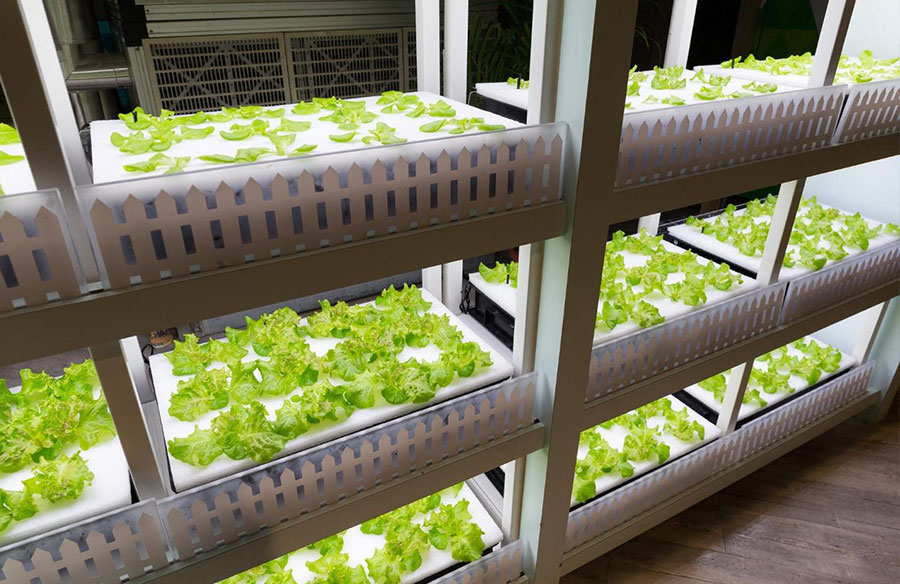
Sustainability is a priority for many, and innovative solutions are emerging to tackle the challenges of food production and environmental preservation. One such solution gaining traction is shipping container farming, which repurposes old containers into self-contained, climate-controlled environments for growing crops.
While it may seem unconventional at first glance, using shipping containers for farming can offer various environmental benefits, making it a promising avenue for sustainable agriculture. Consider the following environmental benefits of shipping container farming.
Resource Efficiency
Shipping container farming optimizes resource utilization through innovative design and cultivation techniques. By implementing automated systems for nutrient delivery, water management, and climate control, these farms achieve remarkable efficiency in resource utilization. Incorporating the Internet of Things (IoT) and sensors technology will also contribute to increasing food security and agricultural sustainability.
The scalability of container farming allows for modular expansion, enabling farmers to adapt production levels to meet demand without compromising efficiency. The precise monitoring and management of environmental conditions within containers also contribute to higher crop yields and better resource allocation, further enhancing the sustainability of this farming method.
Year-Round Production
The year-round production capabilities of shipping container farms ensure a consistent food supply and offer economic benefits by reducing seasonal fluctuations in crop availability. By extending growing seasons and providing a stable market for locally grown produce, container farms support small-scale farmers and strengthen food security in urban areas.
The flexibility of container farming allows for the cultivation of specialty crops or niche products tailored to local preferences, fostering culinary diversity and supporting regional food systems. As climate change continues to disrupt traditional growing patterns, the adaptability of container farming will become increasingly valuable in ensuring food sovereignty and resilience in the face of environmental uncertainty.
Reduced Carbon Footprint
Shipping container farming contributes to broader efforts to mitigate climate change. By sequestering carbon through plant growth and minimizing the need for land conversion, container farms help preserve natural ecosystems that act as carbon sinks.
The ability to cultivate a diverse range of crops within a single container reduces the need for monoculture farming, which can lead to soil degradation and increased emissions. Container farming fosters resilience in agricultural systems by promoting biodiversity and soil health, thereby contributing to long-term carbon sequestration and climate resilience.
Land Reclamation and Urban Agriculture
Container farms play a vital role in reclaiming urban spaces and repurposing them for productive use. Container farming revitalizes urban landscapes and promotes community engagement by converting vacant lots, rooftops, or industrial sites into thriving agricultural hubs.
Beyond providing fresh produce, these farms serve as educational platforms and social gathering spaces, fostering residents’ sense of belonging and empowerment.
By decentralizing food production and shortening supply chains, container farming reduces vulnerability to disruptions in global trade. It enhances local resilience in crises such as pandemics or natural disasters.
Community Engagement and Education
Container farms serve as catalysts for community engagement and education, offering hands-on learning experiences and opportunities for skill development. Through partnerships with schools, nonprofits, and local organizations, container farms provide educational programs on topics ranging from nutrition and agriculture to sustainability and environmental stewardship.
By involving community members in all stages of the growing process, from planting to harvest, container farms foster a deeper connection to food and nature, promoting healthier lifestyles and empowering individuals to make informed choices.
The collaborative nature of container farming projects strengthens social cohesion and builds resilience by fostering networks of mutual support and shared resources within communities.
Water Conservation and Pollution Reduction
Shipping container farming employs hydroponic or aeroponic systems that recirculate water, minimizing consumption and reducing the risk of water pollution. Unlike traditional agriculture, which often relies on irrigation methods that can lead to water wastage and runoff, container farms utilize closed-loop systems that capture and reuse water efficiently. This conserves precious freshwater resources while mitigating the contamination of soil and waterways with agricultural runoff containing pesticides, fertilizers, and sediment.
Additionally, by implementing advanced filtration and treatment technologies, container farms can further enhance water quality and ensure the sustainability of local ecosystems. By prioritizing water conservation and pollution prevention, container farming exemplifies environmentally responsible agriculture and sets a precedent for sustainable resource management in food production.







