

A lot of modern interior design shares traits all across the globe, but there are still cultural differences and aesthetics out there.
In this article, we’ll be taking a look at trends from different countries, from the minimalist to the more opulent. Exploring what types of furniture and textures they favour.
There might even be different comfort preferences, which may mean some prefer harder or softer furniture depending on where they are in the world. This will mean different fabrics to match the climate, and different upholstery foam to match the desired level of support and comfort for specific furniture.
Of course, things differ between climates, traditions, and even religions. So let’s have a look at some examples of interior design and how it differs between cultures…
Minimalist Japanese Design
Japanese interior design emphasises simplicity, harmony and functionality. Homes in Japan often feature clean lines, natural materials and an uncluttered aesthetic. It’s a good design style to look to if you crave a simple and clear, space optimising feel in your own décor.
The Japanese philosophy of being Zen, which means achieving a state of calm attentiveness where your actions are intuitive rather than a conscious effort extends from the household to the garden.
This can be applied to household tasks and gardening tasks. With the right décor, and a well tended garden, chores become second nature and part of your routine. Serene and simple.
Features commonly found in Japanese homes include futons, tatami mats, shoji screens to break up rooms a little, and can function as sliding doors and walls for privacy. You can expect to find natural fabrics like cotton and linen as well as earthy tones and muted colours for a tranquil effect.
Modern Japanese design seamlessly blends a fusion of old tradition and new contemporary elements, as to create interiors that don’t lose their cultural roots entirely. This is an interesting idea to take inspiration from in your own design, perhaps you can upholster existing old furniture with new designs and elements, blending old and new (as well as saving money and practising sustainability).
Extravagant Moroccan Interior Design
Almost the complete opposite of Japan’s approach, traditional Moroccan designs favour a much more maximalist style approach.
Don’t attempt to incorporate Moroccan inspired designs into your home unless you, those you share your home with, and any guests are ready for a feast for the senses.
This cultural style of exotic design is characterised by rich, vibrant colours, intricate patterns and luxurious textiles. Not for the easily overwhelmed.
The idea of this extravagant approach is to exude warmth, hospitality and wealth or luxury.
Furniture and accessories you can expect to see include: intricately carved wooden tables and sofas. More traditional and old-fashioned sofas will feature lots of patterns and colours, but as the cultural style is modernising, you can expect to see planer sofas adorned with colourful blankets and cushions, as a way of subtly keeping the traditional décor.
More luxurious spaces will also feature archways as a focal point. Think of it as being similar to an accent wall. Expect to see fabrics such as silk and velvet, geometric patterns, as well lamps and lanterns for a warm inviting glow in the evening.
Sweden’s Functional and Light Design
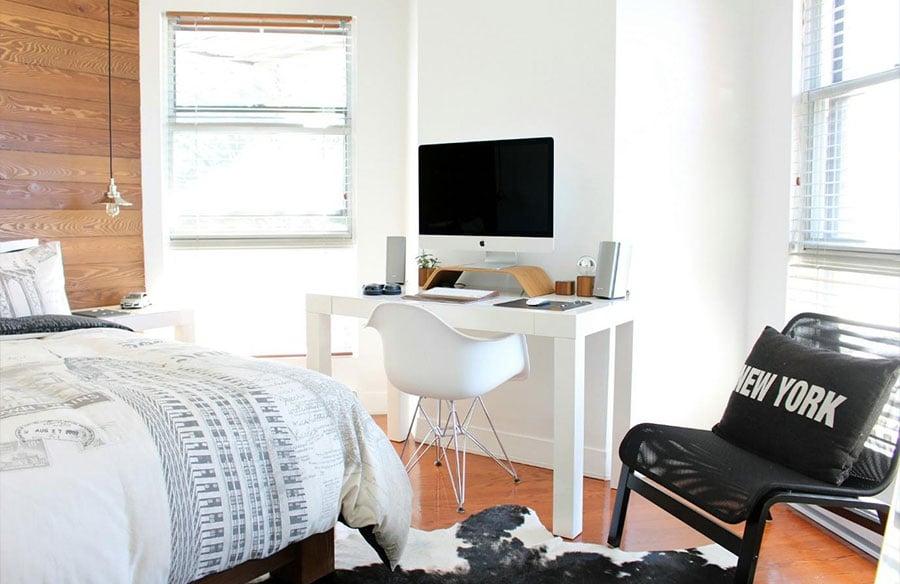
We’re all becoming more aware of what Swedish design looks like thanks to IKEA. It is closer to Japan than Morocco in terms of simplicity and functionality, but there is still a hint of understated luxury there too.
Just as Japan has “Zen” living, Swedish interior design combines concepts of “lagom” and the Danish concept of “hygge”.
Lagom refers to balanced living, meaning having “just the right amount” or “not too much, not too little”, this is applied to Swedish interior design amongst other aspects of life.
Hygge, both a Danish and a Norwegian word, directly translated basically means fun. But more deeply, it refers to a contented mood that is evoked by comfort and coziness, as well as a friendly, lively and even intimate atmosphere.
Upholstery in Sweden features clean lines, natural materials and a neutral colour palette. Items emphasis comfort and durability.
The Diversity of Design
These are just three examples of the many different approaches that different countries and cultures have to interior design. From Japanese simplicity and Morocco’s extravagance to Sweden’s subtle combination of both.
Which style do you prefer? Minimalist, maximalist, or a bit of both? If you’re looking at redesigning your living space, take a look at how other parts of the world do it. You might find inspiration in unlikely places.







