

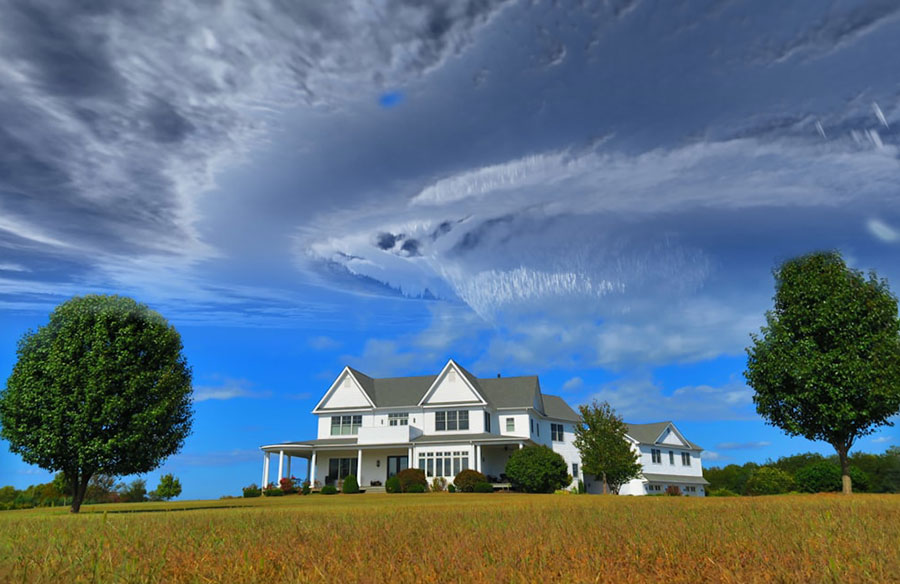
Although building your own home may sound extremely daunting, many Americans choose to do so, especially in rural areas. While there are many benefits of building a home, there are also significant challenges and obstacles involved. In this article, we will look at what you should consider before building your own home, and how you can decide if it is the right decision for you.
Why Build Your Home?
The main reason that many people decide to build their own homes is the personalization that it allows for. Choosing a prebuilt home to move into can be difficult as options can be limited, and you may not be able to find one that meets all of your desires and requirements. When building a home, you can tailor it exactly to your specific preferences.
You can also choose your ideal location (within reason — it may be difficult to obtain planning permission in certain areas) when building your home. What’s more, building your home can give you an enormous sense of accomplishment and personal satisfaction.
Before building your own home, you will need to arrange selling your old one. Making a moving home checklist can help you to account for everything. With building a home, making sure it ticks every box can be easier than when searching for a prebuilt home.
Financial Considerations

Costs involved in building a home include the cost of the construction materials themselves, as well as the cost of labor if you hire professional builders. You may also need to purchase permits, and will have to purchase the land if you don’t already own it.
Depending on where you live, there may be different financing options available for building your home, such as construction loans.
Time Commitment
The time it takes to build a house can vary widely, and can be influenced by factors such as supply chains, weather conditions, and the availability of contractors. However, it’s most likely that the entire project will take at least a year, and could even exceed two years.
The initial planning stage typically takes a few months, and then excavating the land and laying foundation can take several weeks. Construction itself can take a year, and then there are inspections to ensure the home meets building codes and safety regulations, which can take weeks.
While the project is ongoing, it will most likely take up the majority of your time — the time and effort needed to coordinate with contractors and suppliers can leave little to no time for much else, including your day job! Building a home can have a significant impact on your personal and professional life for quite a while.
Potential Challenges
Unfortunately, there are many things that can go wrong with a building project. Construction delays, permits and approvals, building codes and standards, and local zoning laws and regulations can all interfere with your progress or even sabotage the entire project.
Budget overruns are also a common challenge faced by builders. To mitigate this risk, make sure to plan extensively, and try to have a contingency fund in place.
Should You Hire Professionals?

You can also hire architects and designers to help you at the designing stage — this can help you to avoid serious structural issues. Hiring a project manager is also recommended by many. With any professionals you hire, do your research first and make sure that they are reputable.
Building Your Dream Home
While building your own home can be extremely difficult, time-consuming, and expensive, that doesn’t necessarily mean you shouldn’t do it! After thoroughly exploring all considerations, if you still dream of building a home — and have the skills and resources needed — then it can be one of the most satisfying things you’ll ever do.







