

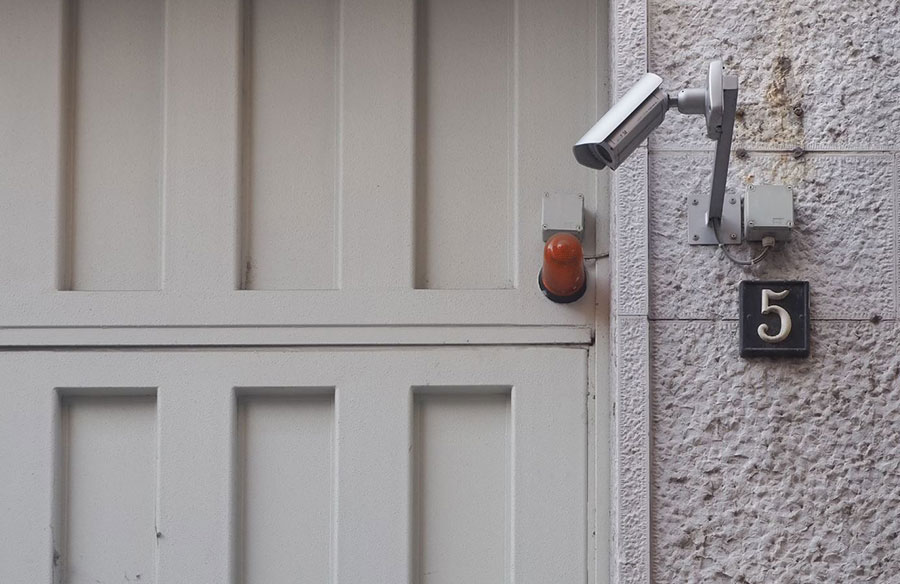
In the dynamic field of contemporary architecture, security is an essential consideration. Technology breakthroughs have given designers and architects new and creative solutions to protect buildings from possible dangers.
Modern surveillance systems and complex access control systems are only two examples of how technology is completely changing how we approach security. We’ll talk about how technology improves security in contemporary architecture in this essay.
Identity Verification Service
Identity verification services, such as biometric authentication, have become prevalent in modern architecture for enhancing access control measures. These systems use distinctive bodily traits, such as fingerprints or iris patterns, to confirm people’s identities.
AU10TIX identity verification service provides a safer substitute for conventional techniques such as PIN codes or keycards. For example, the precision and simplicity of facial recognition technology in identifying authorized workers have made it increasingly popular.
TechTarget reports that machine learning, AI algorithms, statistical analysis, and image processing are used in face identification applications. They use them to identify human faces and differentiate them from non-face elements like landscapes and buildings.
Before detection, the media undergoes preprocessing to enhance its quality and eliminate hindering images. This optimization ensures more effective and reliable face detection outcomes.
By integrating identity verification services into architectural design, buildings can enforce strict access control policies. This reduces the risk of unauthorized entry and enhances overall security.
Surveillance Systems
The ongoing monitoring and surveillance that surveillance systems provide are essential to the maintenance of security in contemporary architectural environments. Automated threat detection, such as identifying illegal individuals or suspicious conduct, is made possible by high-definition cameras fitted with powerful analytics.
Allied Market Research reports that the growing requirement for safety in high-risk locations is driving growth in the worldwide video surveillance industry. The Internet of Things integration and the transition from analog to IP cameras are other factors.
Challenges like high investment costs and a lack of expertise in IP camera management impede market expansion. Nonetheless, the emergence of smart city initiatives offers promising growth opportunities.
For example, some surveillance systems can differentiate between normal activities and potential security threats, allowing for timely intervention. By acting as a vigilant eye, surveillance technology deters criminal activities and ensures a safer environment for occupants and assets within architectural spaces.
Intrusion Detection Systems
Intrusion detection systems (IDS) are vital components of security in modern architecture, providing early warning signs of potential security breaches.
IBM notes that IDSs come in the form of software applications installed on endpoints or dedicated hardware devices connected to the network. Some are also available as cloud services. Regardless of their form, IDSs utilize either signature-based or anomaly-based detection methods, or a combination of both, to identify threats effectively.
These systems utilize sensors placed strategically throughout a building to detect unauthorized entry or suspicious activities. Motion sensors, for example, can identify movement in prohibited locations and send out signals to security staff so they can look into it more. Rapid threat detection and reaction are made possible by IDS technology, which also reduces the possibility of occupant or property damage.
Access Control Systems
In order to regulate access and guarantee that only individuals with permission can enter restricted sections within architectural spaces, access control systems are crucial. To verify people’s identities, these systems use a variety of technologies, including mobile credentials, biometric scanners, and keycards.
As an illustration, biometric authentication—like fingerprint scanning—offers a high degree of security since it is very difficult to duplicate or falsify. Strong access control measures can be implemented to assist architects in lowering the likelihood of unauthorized access and safeguarding pricey materials in architectural spaces.
Cybersecurity Measures
Cybersecurity measures are crucial for protecting digital assets and infrastructure within modern architectural spaces from cyber threats. Architects and designers must prioritize cybersecurity protocols such as encryption, network segmentation, and regular software updates to mitigate the risk of cyber attacks.
For example, implementing firewall systems can prevent unauthorized access to networked devices and sensitive information. By incorporating robust cybersecurity measures into architectural design, buildings can ensure the integrity and confidentiality of digital assets, safeguarding against potential cyber threats.
FAQs
What are the four main types of biometrics?
The four main types of biometrics include fingerprint recognition, facial recognition, iris recognition, and voice recognition. Each method uses unique physiological or behavioral characteristics for identity verification, enhancing security in various applications such as access control and authentication.
What is the formal definition of surveillance?
The formal definition of surveillance is the systematic monitoring of individuals, places, or activities to gather information, maintain security, or exert control. Surveillance typically involves the observation of behavior, communication, or movements using electronic or physical means for various purposes. This includes law enforcement, security, and intelligence gathering.
What is the difference between IDS and firewalls?
IDS (intrusion detection system) identifies and responds to potential security threats within a network by monitoring and analyzing network traffic and system activity. On the other hand, a firewall acts as a barrier between a trusted internal network and untrusted external networks.
It controls incoming and outgoing traffic based on predefined security rules. While both aim to enhance network security, IDS focuses on detecting threats, while a firewall controls network access.
In conclusion, the fusion of cutting-edge technology with modern architectural practices has revolutionized security measures, offering a diverse array of innovative solutions. From biometric authentication to advanced surveillance systems and intrusion detection technologies, architects now possess powerful tools to fortify structures against evolving threats.
Emphasizing robust cybersecurity measures further underscores the commitment to safeguarding digital assets within architectural spaces. This integration not only enhances physical security but also instills confidence in the safety of occupants and valuable assets.







