

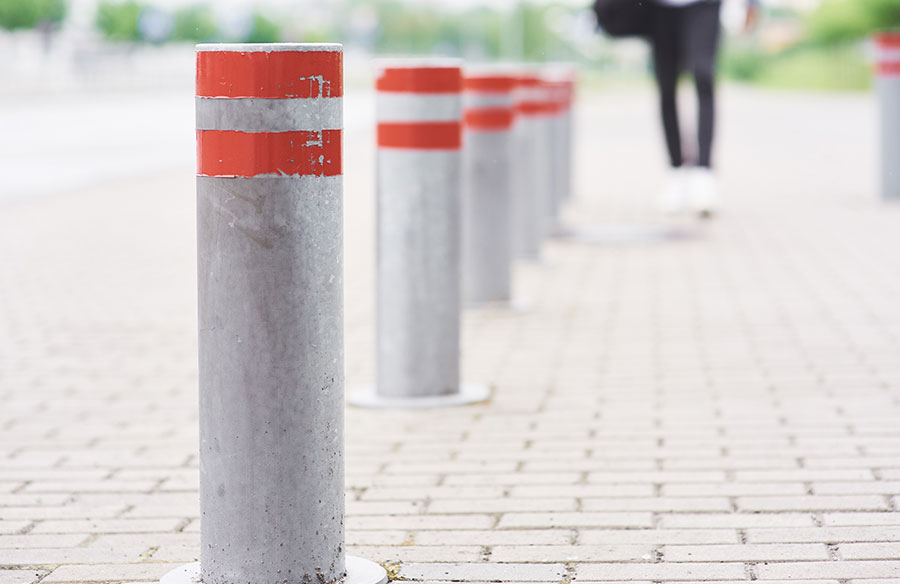
In educational infrastructure, ensuring security is a must for the well-being of students and faculty. Security bollards, sturdy and resilient, have become essential tools in protecting schools and colleges. These simple yet necessary structures effectively prevent unauthorized vehicular access, strengthening campus perimeters to create a safe learning environment.
Beyond fortification, a collapsible bollard system offers versatile applications in education. They safeguard against vehicle intrusions and enhance pedestrian safety in common areas. Integrating with access control systems, they help manage campus security, adapting to daily routines and emergency procedures. Additionally, they contribute to the aesthetic appeal of educational spaces, demonstrating how functional security measures can enhance campuses and reflect thoughtful planning principles.
Perimeter Protection
As schools and universities continue to prioritize the security of their campuses, one effective strategy involves the use of security bollards around perimeters. These bollards serve as a physical and psychological barrier, effectively preventing unauthorized or accidental vehicular entry into sensitive areas such as playgrounds, walkways, and communal spaces.
By controlling vehicular access, these installations not only manage traffic flow on campus but also reduce the risk of accidents and enhance the overall safety for students and faculty. Strategic placement of bollards can also act as a deterrent for potential threats, making it an essential component of the school’s security infrastructure. This method not only addresses immediate safety concerns but also contributes to a secured learning environment where educational activities can proceed without the fear of external disruptions.
Pedestrian Safety
To enhance pedestrian safety within educational settings, schools and universities can effectively use security bollards. Positioned in busy areas where students and faculty gather – such as walkways and outdoor assembly spots – these structures provide protection against potential vehicular threats, creating a safe area conducive for relaxation and learning.
Additionally, these bollards play a dual role by marking pedestrian-only zones; reducing the risk of accidents while creating a safer, more pedestrian-friendly campus atmosphere. Through strategic installation, they effectively protect vulnerable areas from vehicle encroachments, offering not just physical security but also peace of mind, making the educational environment secure yet accessible.
Access Control
When it comes to campus security, integrating security bollards with access control systems presents a scalable solution to manage entry and exit points effectively. These systems, when paired with removable or retractable bollards, offer a way to regulate vehicular access based on real-time needs. For example, during peak times, bollards can be retracted to allow smoother flow of traffic, while in scenarios requiring heightened security, they can be quickly deployed to form a barrier.
This flexibility not only ensures a secure physical boundary but also complements procedural security measures in place, catering to both routine campus activities and emergency situations. The adaptability of retractable and removable bollards enables institutions to maintain a balance between open accessibility and stringent security, ensuring that safety does not impede campus life.
Emergency Preparedness
In scenarios where immediacy and security are needed, such as during a lockdown or active shooter incident, the strategic use of security bollards becomes vital. These robust structures can be deployed quickly to establish secure zones within school and university campuses. By obstructing access points, bollards serve as a formidable barrier against unauthorized entries, effectively isolating students and faculty from potential threats.
This rapid deployment capability not only enhances the physical security of the campus but also instills a sense of safety among campus occupants, allowing them to focus on crisis management procedures without the added concern of unauthorized access. The versatility and quick action facilitated by these bollards are thus key in maintaining order during important times, protecting the educational community in moments of vulnerability.
Aesthetic Enhancements
In addition to their main role in safety, bollards can also enhance the visual aspects of school and university campuses. These security features are available in various styles and finishes, enabling them to integrate well with existing themes. What’s more, such bollards not only fulfill a practical role but also enhance the visual appeal of the campus.
The use of bollards designed with aesthetic considerations supports a dual advantage: maintaining strict security standards while also improving the campus’s visual story. This relationship between form and function in bollard design helps to create an environment that is safe, functional, and welcoming—a key element in promoting a positive educational atmosphere.
Security bollards are essential for enhancing safety in schools and universities. They protect campus perimeters and improve pedestrian safety, providing tailored solutions for educational needs. By integrating with access control systems, they ensure smooth daily operations and strengthen emergency preparedness. What’s more, they enhance the aesthetic appeal of educational areas. Embracing security bollards allows educational institutions to fortify safety measures and create environments that balance security, functionality, and visual appeal, promoting conducive spaces for learning and growth.







