Home inspections are an essential part of the home buying process. By having a reputable company inspect your home, you can achieve valuable insights into the condition of a property and can help buyers make informed decisions. However, there are many common myths and misconceptions surrounding home inspections that can lead to confusion and misunderstandings.
One common myth is that home inspections are only necessary for older homes. In reality, all homes, regardless of age, can have hidden issues that may not be apparent to the untrained eye. Another myth is that a home inspection will make sure a property is up to code. While home inspectors are licensed and certified professionals, they are not code enforcement officers. A municipal inspection verifies compliance to local codes and standards, while a home inspection is more focused on the life, health, and safety of the home.
It’s important for buyers to have a clear understanding of what to expect during a home inspection and to separate fact from fiction when it comes to common myths. In this article, we will debunk some of the most common home inspection myths and provide accurate information to help buyers make informed decisions.
Understanding Home Inspections
The Role of a Home Inspector
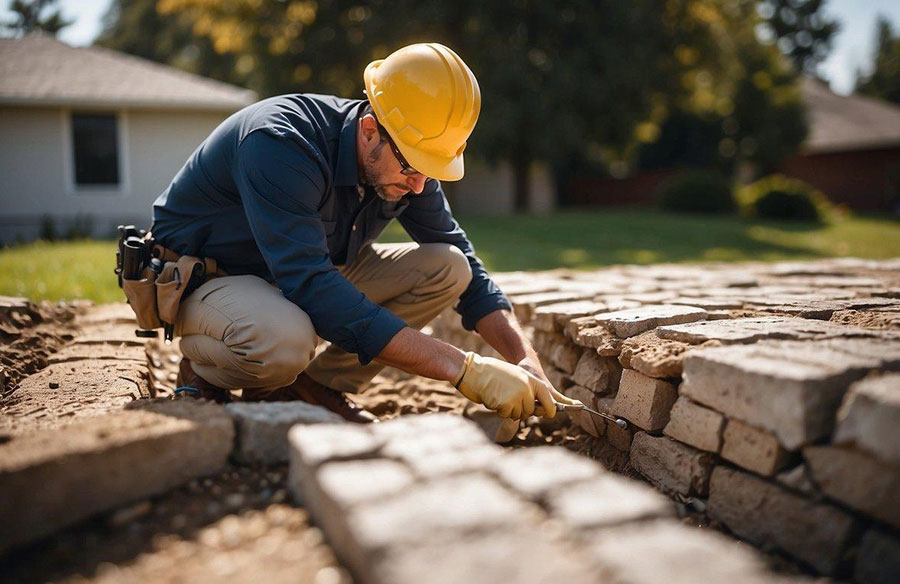
A home inspection is a critical evaluation of a property’s condition, conducted by a professional home inspector. The inspector’s primary role is to assess the overall safety and functionality of the home’s systems and components, including electrical, plumbing, HVAC, and roofing. The inspector will identify any defects or deficiencies that could pose a risk to the safety of the home’s occupants.
A home inspector is a licensed and certified professional who has undergone extensive training and education in the field of home inspections. They have a thorough understanding of building codes, safety standards, and construction practices. A professional home inspector will provide a detailed report of their findings, which will include recommendations for repairs or further evaluation by a specialist.
Key Components Evaluated During Inspection
During a home inspection, the inspector will evaluate several key components of the home, including:
Electrical: The inspector will evaluate the electrical system to ensure that it is safe and up to code. This includes checking the electrical panel, outlets, and wiring for any defects or issues.
Plumbing: The inspector will evaluate the plumbing system to ensure that it is functioning properly and free of leaks or other defects. This includes checking the water heater, pipes, and fixtures.
HVAC: The inspector will evaluate the heating and cooling system to ensure that it is functioning properly and efficiently. This includes checking the furnace, air conditioning unit, and ductwork.
Roofing: The inspector will evaluate the roof to ensure that it is in good condition and free of leaks or other defects. This includes checking the shingles, flashing, and gutters.
Debunking Myths Around New and Old Homes
When it comes to home inspections, there are many myths surrounding both new and old homes. In this section, we will debunk some of the common misconceptions about brand-new constructions and older homes.
Myths About Brand-New Constructions
Myth #1: New Homes Don’t Have Any Issues
Many people assume that a brand-new construction will be perfect and free of any issues. However, this is far from the truth. Even new homes can have cosmetic issues, major issues, or hidden issues that can go unnoticed without a proper inspection.
Myth #2: New Homes Don’t Have Workmanship Issues
Another common myth is that new homes don’t have any workmanship issues. While new constructions may have fewer issues than older homes, it’s still possible that the workmanship may not be up to par. A home inspection can help identify any issues with the construction of the home and ensure that they are addressed before closing.
Common Misconceptions About Older Homes
Myth #1: Older Homes Are Full of Hidden Issues
Many people assume that older homes are full of hidden issues that will be expensive to fix. While it’s true that older homes may have more issues than newer homes, not all older homes are problematic. A proper home inspection can help identify any issues with an older home and provide guidance on how to address them.
Myth #2: Older Homes Have Poor Construction
Another common misconception is that older homes have poor construction. While it’s true that older homes may have been built to different standards than modern homes, many older homes were built to last. A home inspection can help identify any issues with the construction of an older home and provide guidance on how to address them.
The Impact of Home Inspections on Real Estate Transactions
Home Inspections vs. Home Appraisals
Home inspections and home appraisals are both important steps in the real estate transaction process, but they serve different purposes. A home inspection is a thorough evaluation of a property’s condition, including the landscape and any need to legally remove trees and landscape that might affect the property’s safety or value. Meanwhile, a home appraisal is an assessment of its market value.
During a home inspection, a professional inspector will evaluate the property’s structure, foundation, roof, plumbing, electrical systems, and more. The inspector will identify any potential issues that may need to be addressed before the sale can proceed. On the other hand, a home appraisal is conducted by a licensed appraiser who determines the market value of the property based on factors such as location, size, and condition.
Negotiations and Home Inspection Findings
Home inspections can have a significant impact on negotiations between buyers and sellers. If the inspection reveals potential issues with the property, the buyers may use this information to negotiate repairs or a lower sale price. Conversely, if the inspection reveals no major issues, the sellers may use this information to justify a higher sale price.
It is important for both buyers and sellers to use the information provided by the home inspection to make an informed decision. Buyers can use the inspection findings to identify potential issues and negotiate repairs or a lower sale price. Sellers can use the inspection findings to identify potential issues and address them before the sale, which can help to increase the property’s value and make it more attractive to potential buyers.
Rethinking The Future (RTF) is a Global Platform for Architecture and Design. RTF through more than 100 countries around the world provides an interactive platform of highest standard acknowledging the projects among creative and influential industry professionals.
We use cookies to ensure that we give you the best experience on our website. If you continue to use this site we will assume that you are happy with it.