

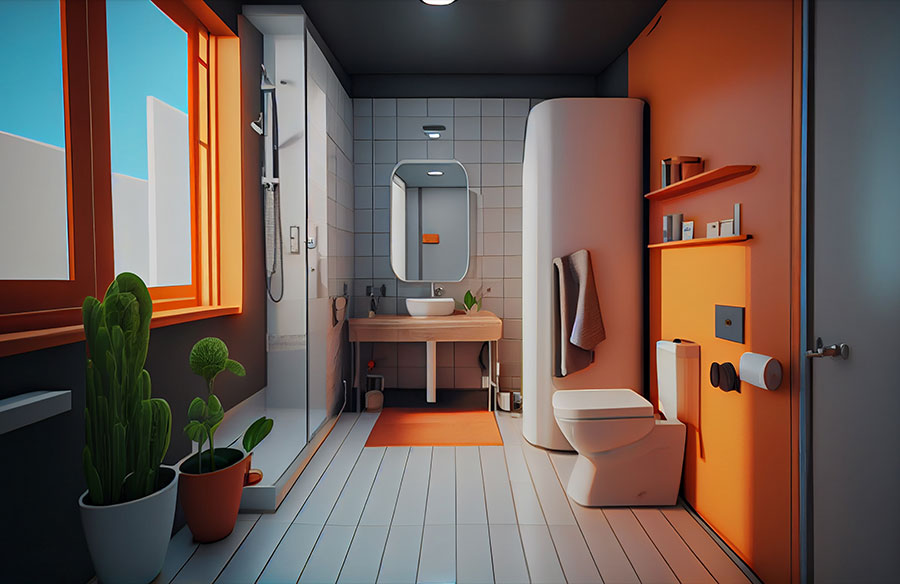
Bathrooms often serve as both a sanctuary for relaxation and a practical space within your home. When square footage is limited, it becomes essential to make every inch count. Thoughtful renovations can transform even the smallest of bathrooms into a more spacious and efficient area. With careful planning, you can maximize the utility of your bathroom without the need for extensive expansion, creating the illusion of a larger space while enhancing its functionality.
Understanding how to utilize vertical space, choose appropriate fixtures, and select the right color palette are key factors in enlarging a bathroom’s appearance. Replacing a bulky vanity with a floating counterpart can instantly free up floor space, while installing a corner sink can optimize the layout. Lighter shades of paint reflect more light and can create an airy feel, contributing to the sense of spaciousness.
Storage solutions play a pivotal role in decluttering your bathroom. Innovative ideas, such as recessed medicine cabinets or built-in shelving, keep your essentials neatly organized and easily accessible without infringing on valuable space. This not only streamlines your daily routine but also contributes to a minimalistic and uncluttered ambiance. By considering these aspects in your renovation plans, you can make a significant impact on your bathroom’s comfort and aesthetic appeal.
Planning Your Bathroom Renovation
A successful bathroom remodel begins with a clear understanding of your available space and needs, as well as a well-defined budget that encompasses all aspects of the project.
Assessing Your Space and Needs
To maximize effectiveness in a small bathroom, scrutinize your current layout and identify what needs to change. Consider how traffic flows through the space, ensuring that your design choices enhance the bathroom’s functionality. Measure your area precisely and think about how you can use vertical space or corner units for extra storage. Reflect on what ‘functional’ means to you; whether it implies more cabinets for toiletries or a walk-in shower for accessibility.
Key aspects to evaluate:
- Size and layout: Measure the dimensions of your bathroom, noting any immovable features.
- Usage patterns: How you use your bathroom will influence the changes you want.
Budgeting and Planning
Planning your budget is critical in a renovation process. Start by itemizing the different components such as materials, labor, fixtures, and any additional features you could want. Keep in mind that labor can constitute a significant portion of the overall cost, especially in a complete overhaul. Research market rates and obtain multiple quotes to ensure cost-effectiveness. Remember that small bathroom renovations can sometimes be just as complex as larger ones due to the precision required in maximizing space.
Budget Breakdown Sample:
| Component | Percentage of Budget | Notes |
| Labor | 40-50% | Seek multiple quotes to ensure competitive pricing. |
| Materials | 30-40% | Include tiles, fixtures, and paint. Prioritize quality over quantity. |
| Fixtures & Fittings | 10-20% | Essential items like sinks, toilets, and taps. Consider water efficiency. |
| Contingency | 5-10% | Allocate for unexpected costs or last-minute changes. |
As you allocate funds, bear in mind the importance of not cutting corners on essential aspects of functionality or design that can affect the overall quality and utility of your bathroom renovation.
Design and Layout
When renovating your bathroom to maximize space, every design decision counts, from the choice of fixtures to the interplay of light and color, and the overall functionality of the layout.
Choosing Space-Saving Fixtures
Selecting the right fixtures is central to creating a compact yet functional space. Space-saving fixtures include wall-mounted toilets and floating vanities, which free up floor area. For sinks, consider a corner sink model to maximize unused areas. When it comes to the shower, opt for a curved quadrant shower enclosure as it provides more elbow room without imposing on the central space. Always measure your available space thoroughly before ordering fixtures to ensure a fit that’s both snug and practical.
Incorporating Light and Color
A well-thought-out color scheme and lighting plan can dramatically transform the perception of space in your bathroom. Light colors and a consistent color palette make the room feel more open and airy. Adding a large mirror will reflect both artificial light and natural light, effectively doubling the sense of space. For artificial lighting, installing sleek LED light fixtures creates a clean look while brightening the room. If possible, maximize natural light by either expanding the window size or using frosted glass to maintain privacy without sacrificing brightness.
Intuitive Design for Functionality
Creating a functional space goes beyond mere aesthetics. It’s about anticipating your needs and integrating design elements that streamline your daily routine. Position your vanity and mirror directly across from the shower for a clear path and easy access. Use recessed shelving within the shower area and above the toilet for storage that doesn’t infringe on the physical or visual space. Consider multifunctional items, such as a mirror cabinet, to combine utility and style. When selecting tiles and patterns, avoid large designs that overwhelm the space and choose subtle patterns that draw the eye and create a sense of continuity.
Optimizing Storage Solutions
When renovating your bathroom to maximize space, incorporating efficient storage solutions is key. You’ll want to exploit every inch wisely while maintaining a clutter-free and aesthetically pleasing environment.
Maximizing Wall and Vertical Space
To make the most of your bathroom’s footprint, turn your attention to the walls and vertical spaces that are often underutilized. Wall-mounted cabinets provide ample storage without encroaching on your floor area. Consider adding a medicine cabinet above your sink to keep countertops clear. Floating shelves are another smart way to use vertical space efficiently. They offer additional storage and can be placed at varying heights to accommodate different item sizes.
Built-in storage solutions, like recessed shelves within the shower area or beside a compact toilet, are both functional and sleek. They fuse with the walls, implying extra storage without any protrusion into your valuable space. For smaller items, niches around the sink area can keep essentials at hand without taking up counter space.
Creative Storage Accessories
In addition to permanent fixtures, various storage accessories enhance your bathroom’s functionality. Magnetic strips can keep bobby pins and tweezers within reach but off the countertop. Adhesive hooks provide hanging storage for items such as robes and towels, ensuring they’re accessible but not underfoot.
Consider a wall-mounted vanity instead of a full-sized counter, which can house your toiletries while offering under-sink storage. Ensure you choose space-saving fixtures like a compact shower with built-in ledges for your shower essentials. It’s also wise to select products that serve dual purposes, such as a mirror with hidden shelving behind it or a towel rack that comes with a shelf.
Each storage addition should be carefully considered to maintain simplicity and ensure the space remains easy to navigate. Your goal is to achieve an organized, spacious bathroom regardless of its actual size.
Selection of Materials and Fixtures
When renovating your bathroom, the materials and fixtures you choose are crucial to maximizing space and enhancing functionality. Select options that complement your style while considering their long-term durability and maintenance.
Picking Durable and Stylish Tiles
For your floor and walls, large-format tiles make a space feel expansive and require less grout, reducing cleaning time. Opt for light and airy colors to create an illusion of space, and consider using soft pastels or neutral tones. The materials should be moisture-resistant to avoid mold and mildew, which means porcelain or ceramic tiles could be a great choice.
- Porcelain Tiles: These are highly durable and come in a variety of sizes, including large formats.
- Ceramic Tiles: A versatile and less expensive option, available in multiple colors and patterns.
Incorporate tiles that complement bathroom features like a glass shower door or a mirrored medicine cabinet, as these elements can also contribute to creating a feel of a more spacious and stylish space.
Selecting Appropriate Bathroom Fixtures
Choose fixtures that save space without sacrificing style or function. For instance, a wall-mounted toilet takes up less floor space and can make the bathroom look larger. Similarly, a corner sink or pedestal sink occupies less room than a full vanity and can be a design statement themselves.
- Corner Shower: Ideal for small bathrooms, maximizes usable space.
- Compact Toilets: Save space with a modern look and have the same functionality as larger models.
Avoid clutter by adding a towel rack on the back of the door, or select sconces or a pendant light rather than a large fixture that may overwhelm the space. Furthermore, ensure sufficient ventilation to keep the area dry and fresh. All of these considerations in bathroom design are directed toward achieving a balance between aesthetic appeal and practical utility.
Wrapping Up
To maximize your bathroom space effectively, consider integrating multifunctional fixtures. For instance, a vanity with built-in storage or a combination of shower and bathtub can save significant space. Prioritizing a clean layout with sleek lines can contribute to a more spacious feel.
Choose wall-mounted options where possible. Your sink and toilet, for instance, could be wall-hung, freeing up floor space and making the room look larger. Reflect on the potential of a sliding door; it eliminates the clearance needed for a standard door.
Focusing on the right colors and lighting can make a substantial difference. Light hues and well-placed mirrors reflect light, giving an illusion of a larger room. Furthermore, effective storage solutions are vital. Hidden cabinets and shelves within the walls offer storage without cluttering.
Finally, your renovation should reflect a balance between aesthetic appeal and functionality. Optimize the layout for ease of movement, maintain a cohesive design, and ensure every change serves a purpose.







