In the modern urban landscape, where the hustle of city life meets the craving for personal wellness, the concept of luxury is being redefined. It’s no longer just about opulent aesthetics or plush amenities; it’s about infusing one’s living space with elements that enhance well-being. Amongst these wellness trends, the integration of indoor sauna kits into urban home design stands out as a testament to the growing desire for personal relaxation sanctuaries. This article explores how indoor saunas are becoming a stylish and healthful addition to contemporary homes.
The Fusion of Wellness and Urban Living
As urban dwellers seek to transform their homes into havens of comfort and health, indoor saunas emerge as a compelling feature. This wellness trend is motivated by the myriad benefits saunas offer, from detoxification and improved cardiovascular health to stress relief and enhanced sleep quality. However, incorporating a sauna into an urban home is not merely about health; it’s also about creating a unique space that reflects a sophisticated lifestyle and a deep commitment to personal wellness.
Design Considerations
When integrating a sauna into an urban home, several design considerations come to the fore. The challenge lies in marrying functionality with aesthetics, ensuring the sauna blends seamlessly with the home’s overall design theme.
Space Optimization
One of the primary concerns in urban settings is space efficiency. Designers are adopting creative solutions to incorporate saunas without compromising the living area. Compact, custom-built saunas that fit into underutilized spaces—such as basements, attics, or even ensuite bathrooms—are becoming increasingly popular. Foldaway designs and modular units also offer flexibility, allowing homeowners to enjoy the luxury of a sauna without permanently dedicating a significant portion of their living space to it.
Material Selection
Materials play a crucial role in the design of indoor saunas, influencing both aesthetics and functionality. Wood, for instance, remains a favorite for its natural beauty, durability, and excellent thermal insulation properties. Cedar and hemlock are particularly popular for their resistance to moisture and mildew. Glass is also widely used to add a modern touch, with designers using frosted or clear panels to create a sense of openness and enhance natural light.
Aesthetic Integration
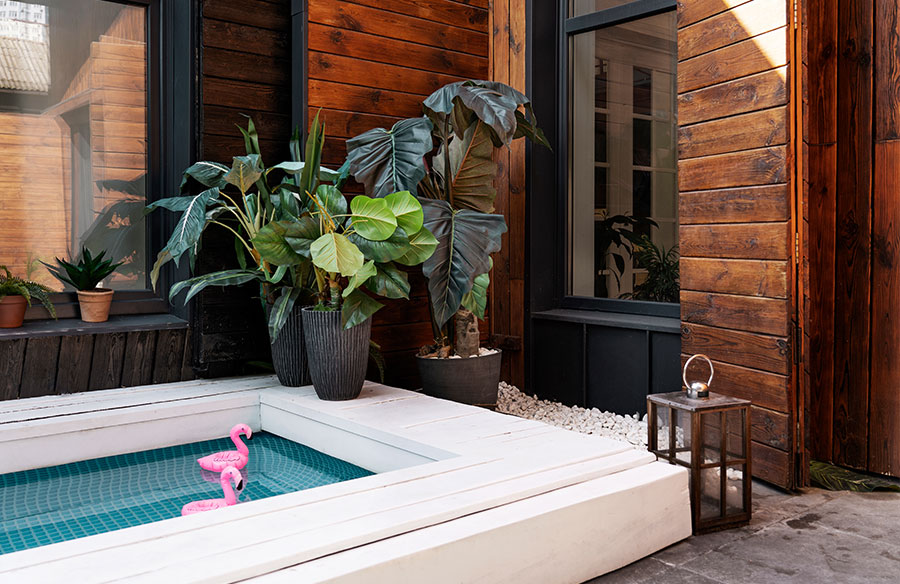
Integrating a sauna into the urban home’s design aesthetic requires thoughtful consideration. Modern saunas often feature clean lines, minimalistic décor, and a neutral color palette to complement contemporary interiors. Lighting is another critical element, with soft, ambient lights creating a tranquil ambiance conducive to relaxation. Additionally, integrating elements of nature, such as indoor plants or a Zen garden view, can enhance the therapeutic experience.
Health and Wellness at Home
The growing prominence of indoor saunas in urban homes speaks volumes about the evolving lifestyle preferences of city dwellers. In the fast-paced urban environment, having a personal wellness retreat not only provides a practical health benefit but also serves as a luxurious escape from the stresses of daily life. Indoor saunas offer a private sanctuary where one can unwind, detoxify, and rejuvenate without stepping outside the home.
Conclusion
The integration of indoor saunas into urban home design marks a shift towards a more holistic approach to luxury living—one that places a premium on health, wellness, and personal space. As this trend continues to gain momentum, it’s clear that homeowners are not just sweating in style; they’re also making a profound investment in their overall well-being. In the context of urban living, where space is at a premium and life moves at a breakneck pace, the indoor sauna emerges as an emblem of balanced living, combining the best of wellness and sophistication. Whether it’s a compact, custom-built unit or a lavish spa-like retreat, an indoor sauna adds a touch of elegance and a host of health benefits, making it a desirable feature in the modern urban home.