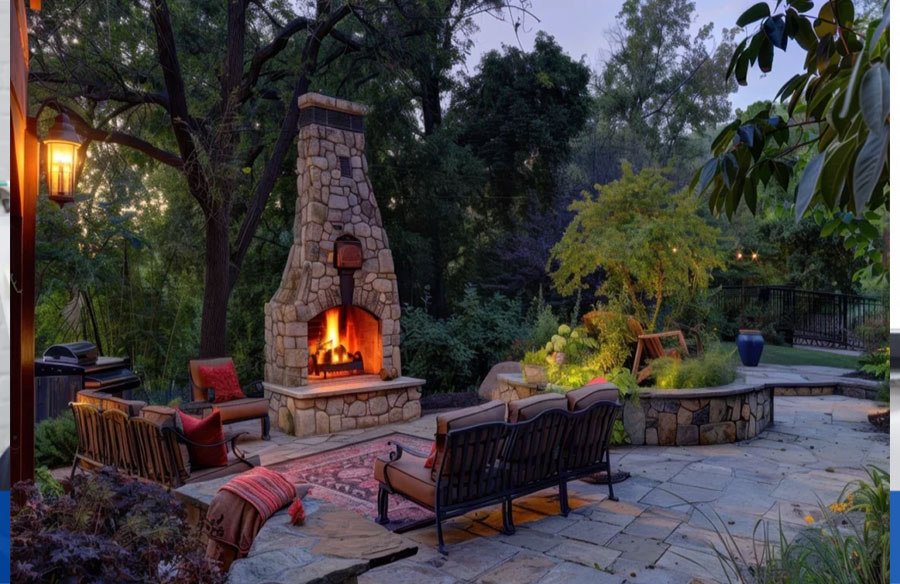
Selecting the right natural stone is a decision that bridges aesthetics, function, and lasting appeal. Whether you’re designing an inviting patio or a cozy living room, integrating stone can seamlessly connect your outdoor and indoor environments. But how do you choose the best materials for each application? Exploring the essential criteria and possibilities can help you create a unified, timeless look throughout your space.
Understanding Stone Outcropping and Its Versatility
One of the first choices many homeowners face when planning outdoor areas is deciding on structural and decorative elements. Stone outcropping is a popular solution, offering both natural beauty and practical durability. Outcropping stones are large, rugged pieces typically used for retaining walls, garden borders, and dramatic landscape features. Their organic forms help blend built spaces with the surrounding environment, creating a sense of continuity.
When selecting outcropping, pay attention to color, texture, and scale. Stones that complement the hues of your home’s exterior or garden can make the transition from landscape to residence more harmonious. Consider the stone’s origin as well, as local varieties often look most authentic in their native settings. Outcropping is chosen not only for its physical properties but also for its capacity to anchor outdoor designs and provide a naturalistic feel to patios, walkways, and even water features.
Key Factors in Choosing Natural Stone for Indoor and Outdoor Use
Selecting natural stone for both interior and exterior applications involves several overlapping considerations. Durability is paramount; outdoor stones must endure freeze-thaw cycles, moisture, and temperature fluctuations, while indoor stones should withstand daily wear and resist staining. Texture also plays a significant role, as rougher surfaces may be better suited to exterior walkways, providing slip resistance, while smoother finishes work well indoors.
Aesthetic cohesion is another factor. Carrying a consistent stone palette from outside to inside can visually expand living spaces and create a unified design. When planning to use stone in both environments, consult with suppliers or design professionals about stones that perform well in multiple settings. The right selection can help ensure longevity and satisfaction.
Creating Seamless Transitions with Stone Elements
A hallmark of thoughtful design is the seamless transition between outdoor and indoor spaces. Natural stone is uniquely suited to this purpose because it can be used in a variety of formats and finishes. For instance, a patio paved with flagstone can lead directly to an entryway floored with the same or a complementary material, visually linking the two spaces.
Similarly, stone can be used to create feature walls, hearths, or benches that echo exterior landscaping elements. Consider how the stone’s color, pattern, and finish will interact with other architectural details. When chosen carefully, stone can serve as a connective thread, drawing together the varied components of your home.
Checklist: What to Consider When Selecting Natural Stone
Choosing the ideal stone for your project is a process that benefits from careful planning. Use this checklist to guide your decision:
- Identify the primary function (e.g., paving, wall, fireplace, accent)
- Assess the required durability for location (exterior vs. interior)
- Match stone color and texture to existing structures
- Confirm slip resistance for high-traffic or wet areas
- Consider maintenance needs and cleaning requirements
- Source stone locally when possible for authenticity
- Evaluate installation complexity and required expertise
- Plan for cohesive transitions between spaces
This structured approach can help ensure your stone selections are both beautiful and practical.
The Role of Fireplaces and Mantels in Interior Design
Inside the home, natural stone features can become focal points, especially in gathering spaces. A limestone fireplace mantel is a classic example, combining elegance with enduring strength. Limestone is prized for its subtle coloration and ability to be carved or shaped into intricate designs.
When choosing a fireplace surround, consider how the stone’s tone and texture will complement your flooring, wall color, and furniture. A well-chosen mantel can echo outdoor stone elements, further enhancing the indoor-outdoor connection. Maintenance is another factor; some stones require sealing or periodic cleaning to retain their appearance, especially in high-use areas.
Pavers: Versatility in Both Outdoor and Interior Spaces
Pavers are a staple of outdoor design, but their utility extends indoors as well. Natural stone pavers come in a variety of shapes, sizes, and finishes, making them suitable for patios, walkways, and even interior floors. Their durability and slip resistance make them ideal for entryways, mudrooms, or transitional spaces that bridge the outdoors and indoors.
When selecting pavers, consider the intended use and exposure to the elements. Thicker, denser stones are best for driveways and high-traffic outdoor areas, while smoother, thinner stones may be suitable for indoor applications. Mixing different formats or laying patterns can create visual interest and further tie together the two environments. Incorporating interior design tips can help ensure that your choice of pavers complements your overall décor, creating a cohesive and stylish flow between indoor and outdoor spaces.
Coordinating Stone Choices for Lasting Appeal
Achieving a cohesive look with natural stone requires attention to detail and a clear vision of the overall design. Consider how each stone element — from outcropping to pavers to mantels — will interact. Repeating certain materials or colors can unify diverse spaces, while strategic contrasts add dimension and interest.
Stone’s timeless quality ensures that, when chosen thoughtfully, it will remain stylish for years. Consult with design professionals or stone suppliers to review samples and visualize how selections will appear in different lighting conditions. Proper planning and coordination can help your stone features age gracefully and maintain their appeal.
Conclusion
Selecting natural stone for both outdoor and interior applications is a journey that balances aesthetics, durability, and functionality. From stone outcropping in the landscape to a statement limestone fireplace indoors, the right choices can create an elegant, harmonious flow throughout your property. Versatile materials make it possible to connect patios, walkways, and living spaces seamlessly. By considering color, durability, and design coherence, you can ensure your natural stone elements enhance both the beauty and longevity of your home’s environments.