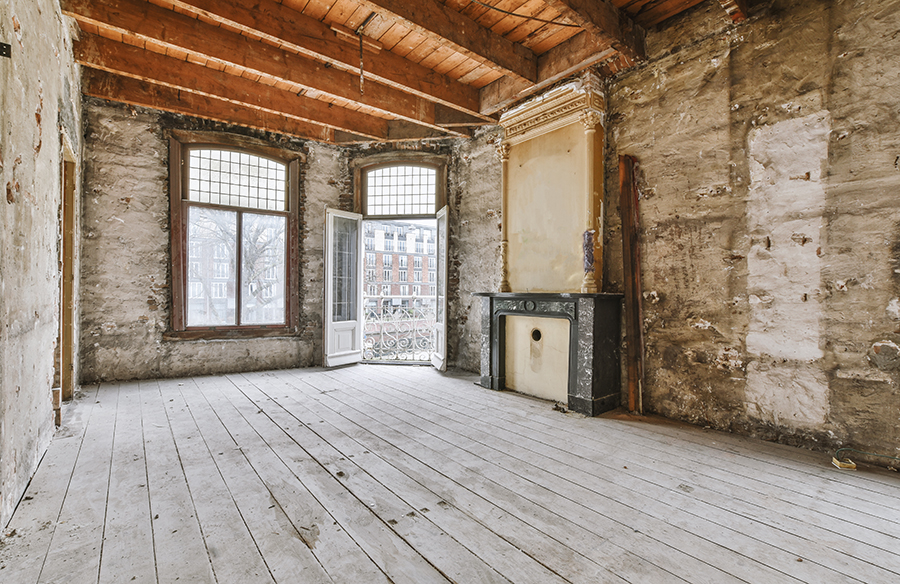
Older homes rarely sell themselves.
You walk in, and the first thing you notice is not the potential. It’s what doesn’t work. The kitchen feels dated, the rooms are cut off from each other, the light doesn’t really reach the back of the house. It feels like too much to deal with.
So people move on. At the same time, these are often the houses that feel more solid once you spend a bit more time in them. The proportions are different, the structure feels more grounded, and the space has something that newer homes don’t always have. It just doesn’t show right away.
That first reaction hides a lot.
Why Older Homes Get Overlooked
Most decisions during viewings happen quickly. You don’t analyze everything. You react. If something feels off in the first few minutes, it’s hard to move past that. Older homes tend to lose in that moment.
The layout feels closed. The materials feel heavy. There are too many small rooms, not enough connections between them. None of it is permanent, but it creates a strong impression.
People rarely stop to think about what can be changed. It’s easier to assume that what they see is what they get. That’s why these homes sit longer, even when the underlying structure is better than many newer options.
What Actually Makes a Home Worth Rethinking
Not every older house makes sense as a project.
Some are too far gone. Others just don’t have the right base to work with. The key is knowing where to look before getting into anything.
The things that matter are not the ones that are easiest to notice.
What tends to hold real value:
- How strong and stable the structure is
- Whether the layout can be opened or adjusted without major issues
- How much natural light the space can realistically get
- Where the windows sit and how rooms connect to each other
- Whether the proportions feel balanced when you move through the house
If these parts work, most of the visible problems become manageable.
Everything else is surface.
Looking Beyond What Is Visible
The easiest way to dismiss a house is to focus on what’s right in front of you. Old cabinets, worn floors, outdated finishes. They take over the entire impression.
But they are also the least permanent parts of the space.
What matters more takes a bit longer to read. How the light moves during the day. Whether rooms feel connected or isolated. Whether the layout supports everyday use or constantly gets in the way.
Two houses can look equally outdated and still be completely different once you start thinking like that.
Spending time going through listings with that perspective changes what stands out. When you browse properties on ForeclosureHub, some homes clearly drop in price because they look neglected, not because they lack potential. The condition is what people react to, but the structure tells a different story.
That difference is where most good projects start.
Redefining Layout Instead of Decorating Around It
A lot of renovations stay on the surface. New finishes, new furniture, better lighting. It improves the look, but the space still feels the same if the layout doesn’t change.
That’s usually where the real limitation sits. Older homes were built for a different way of living. Smaller rooms, more separation, less flow. It worked at the time, but it doesn’t always translate well now.
Changing that shifts everything. Opening up certain areas, rethinking how rooms are used, and removing what no longer serves a purpose. Suddenly, the same square footage starts to feel different.
It’s less about adding and more about removing what blocks the space.
Letting Light Do Its Job
Light changes how everything feels, even when nothing else moves.
In many older homes, it doesn’t travel well. It gets stopped by walls, absorbed by darker finishes, or simply doesn’t reach certain parts of the house.
That’s often what makes the space feel smaller than it actually is.
Once that’s addressed, the difference is immediate.
Some of it comes down to simple changes:
- Opening up passages so light can move through rooms
- Getting rid of heavy coverings that block windows
- Choosing surfaces that don’t absorb all the brightness
- Working with lighter tones where it makes sense
The structure stays the same, but the experience of the space shifts.
Materials That Don’t Fight the Space
Older homes often feel heavier than they need to.
It’s not just the layout. It’s the materials. Dark wood, thick textures, layered finishes that make the space feel dense. Replacing everything isn’t always the answer.
A lot of the time, it’s about taking things back a step.
- Keeping original wood but refinishing it so it feels lighter
- Mixing older details with simpler, cleaner surfaces
- Reducing textures that add too much weight
- Choosing finishes that reflect light instead of absorbing it
The goal isn’t to erase the age of the home. It’s to stop it from feeling stuck in it.
Where Value Actually Comes From
Most of the value in these homes isn’t visible at the start. It sits in the gap between what the house is now and what it could become.
Outdated properties are often priced lower because of how they look. That leaves room for change, but only if the right things are improved. Layout, light, materials. These are the parts that shift how the home is perceived later.
Once those are handled well, the same house starts to feel intentional instead of unfinished.
That’s where the difference shows up.
Avoiding the Usual Mistakes
Not every renovation ends well.
Some try too hard to follow trends. Others strip away everything that made the home interesting in the first place.
A few patterns show up again and again:
- Adding too many elements that compete with each other
- Removing details that gave the space character
- Ignoring how the layout actually works day to day
- Focusing on how things look instead of how they feel to live in
The better results tend to feel simpler. Nothing feels forced, nothing feels overdone.
When It Finally Starts to Work
There’s a moment when the space stops feeling like a project. Rooms connect without effort. Light moves naturally. Materials stop clashing with each other.
Nothing stands out in a negative way anymore. It doesn’t come from one big change. It builds through smaller decisions that start to align.
That’s when the house starts to feel complete.
Seeing It Before It Exists
The main difference comes down to how the space is read. Most people see what’s there right now. Fewer people see what it can turn into.
Older homes don’t make that easy. They don’t present themselves well. They need a bit more patience and a different way of looking at them.
Once that clicks, the whole search changes.
You stop looking for something finished and start noticing what’s actually worth working on.