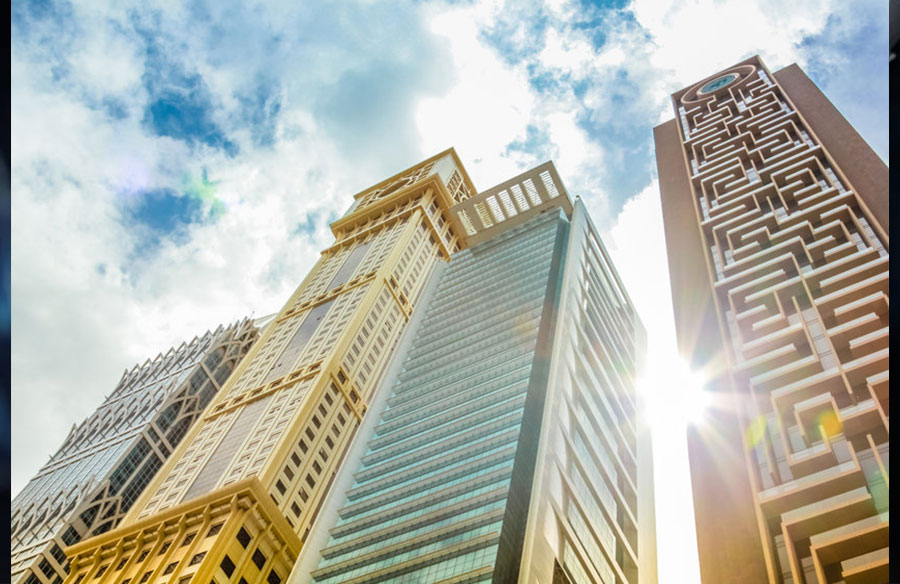
Dubai has long captivated global attention with its dazzling skyline, ambitious projects, and rapid transformation into a leading international city. Real estate investment stands at the core of this evolution, attracting both experienced investors and those newly exploring opportunities for dynamic returns. The unique mix of commercial and residential properties, along with distinct financial advantages, makes property investment in Dubai appealing within this vibrant metropolis.
What drives interest in the Dubai real estate market?
The Dubai real estate market has undergone remarkable change, expanding well beyond iconic landmarks and luxury towers. Visionary urban planning, continuous infrastructure upgrades, and forward-thinking government reforms have fostered an environment where both local and foreign investments are encouraged. This blend creates a highly competitive scene for property ownership that appeals to buyers worldwide.
Many investors are drawn by high rental yields, promising prospects for capital appreciation, and tax benefits rarely found in other major cities. With no annual property taxes and policies designed to support foreign homeownership, conditions often prove exceptionally favorable for individuals seeking a strong return on investment (roi).
Urban development and infrastructure expansion
Ongoing development of new highways, metro lines, and smart-city initiatives enhances both quality of life and investment potential across the emirate. These advancements improve connectivity among business hubs, shopping areas, and emerging suburbs. As Dubai prioritizes sustainability and green public spaces, even established neighborhoods experience renewed interest and increased value.
For those looking for expert guidance in navigating these changes, partnering with a reputable agency such as LNH Properties real estate agency can be advantageous. The commitment to record-breaking projects—from waterfront parks to innovative mixed-use towers—strengthens the overall Dubai real estate market. Such visible progress ensures that value gains are not limited to select luxury enclaves but extend to a wide range of communities over time.
Legislative changes and investor confidence
Recent updates to residency requirements and visa regulations have bolstered confidence among international buyers. Transparent governance and simplified transaction processes make cross-border deals more accessible. Investors increasingly trust that regulatory bodies are focused on ensuring long-term stability in property investment.
This environment encourages portfolio diversification, as risk is perceived to be effectively managed through clear regulations and consistent government support. Both returning expatriates and newcomers now view Dubai housing as a reliable source of passive income or a hedge against economic uncertainties elsewhere.
Comparing commercial and residential properties in Dubai
The Dubai market offers a broad spectrum of property choices, allowing participants to align investments with individual strategies or preferences. Each sector presents different strengths and challenges, making it important to consider asset allocation carefully before making any decisions.
Some focus on residential units in prime locations, while others are attracted to office spaces and retail venues expected to see sustained demand due to ongoing population growth and tourism activity.
Residential investment drivers and rewards
Dubai’s apartments, villas, and townhouses stand out thanks to flexible payment plans and innovative developments. Turnkey residences appeal to families, professionals, and retirees who recognize the dual potential for capital appreciation and attractive rental returns. Frequent relocations driven by commercial growth help maintain consistently high tenancy rates throughout economic cycles.
For international investors, the prospect of tax-efficient ownership combined with high rental yields proves especially compelling. Popular neighborhoods such as Downtown, Marina, and newer communities continually attract buyers because of modern amenities and steady performance based on key metrics.
Commercial assets and strategic positioning
Commercial properties—including offices, warehouses, and hospitality venues—serve companies setting up regional headquarters or launching retail operations. As Dubai strengthens its position as a logistics and trade hub, demand rises for industrial parks and commercial suites close to main transport corridors and free zones.
Simplified purchase procedures and government incentives allow large investors to scale portfolios efficiently. Several districts cluster complementary businesses together, encouraging synergy and higher occupancy levels, which positively impact the sustained return on investment (roi).
Benefits of property investment in Dubai
Those considering where to allocate funds find several notable reasons to choose Dubai for long-term real estate investment. Favorable regulatory frameworks combine with robust cash flow opportunities, offering additional security for institutional and private buyers alike.
In contrast to many mature Western markets, Dubai distinguishes itself with youthful demographics, a business-friendly approach, and ongoing commitments to major infrastructure projects.
- High rental yields supported by tourism, business travel, and population influx
- No recurring property or capital gains tax, resulting in greater net profits
- Portfolio diversification made possible by a variety of asset types within a single region
- Stable political climate and legal reforms focused on investor needs
- Continued government investment in transport, entertainment, and technology
The opportunity to generate reliable passive income through leasing arrangements remains a strong attraction for many. Ongoing demand for accommodation—across both long- and short-term segments—helps sustain positive momentum for landlords and developers. Regular assessments by valuation experts indicate that capital appreciation is achievable even during moderate economic slowdowns, thanks to cyclical demand shifts and vigilant market monitoring.
While entry points may differ by location or sector, the diversity of options enables investors to adapt flexibly to shifting global trends. This adaptability reflects broader patterns seen throughout Dubai, where new regulations and visionary projects constantly redefine the landscape of property ownership.
Emerging trends and future outlook for Dubai real estate
The market continues to evolve as remote work influences demand and younger residents seek innovative housing solutions. Smart homes, environmentally conscious neighborhoods, and integrated live-work-play concepts are prominent in current development plans, signaling a strong focus on sustainability and convenience.
Developers are responding to changing demographics while meeting the needs of entrepreneurs, young families, and those planning retirement. While landmark projects often capture headlines, quieter advances in infrastructure and mobility steadily reinforce underlying fundamentals. This contributes to lasting confidence in property investment as both a short-term opportunity and a legacy-building strategy.
As Dubai expands beyond traditional boundaries, surrounding communities benefit from redevelopment fueled by government partnerships and private investment. These trends underscore that the city’s urban journey is far from complete, ensuring continued interest and thoughtful analysis of real estate investment for years ahead.
Remaining attentive to these evolving signals provides valuable insight and reassurance when approaching the ever-changing Dubai real estate market, whether the goal is high rental yields, portfolio diversification, or simply being part of one of the world’s most dynamic urban environments.