Introduction
Energy efficiency has become a defining factor in the modern property market. Whether you are a landlord preparing a buy-to-let for new tenants, a homeowner considering a sale, or a property investor assessing portfolio value, understanding why buildings underperform on energy assessments is essential. An Energy Performance Certificate (EPC) is not merely a regulatory checkbox; it is a diagnostic tool that reveals how efficiently a property uses energy and where improvements can be made.
Across the United Kingdom, thousands of properties receive disappointing ratings each year. A low score can limit rental opportunities, reduce saleability, and lead to higher running costs for occupants. In competitive urban markets, securing an accurate Energy Performance Certificate in London that reflects a property’s true potential requires more than a quick fix—it demands an understanding of the underlying inefficiencies.
This article explores the most common reasons why properties receive low energy scores, offering practical insight for property owners who want to improve their ratings and reduce their environmental footprint.
Understanding the EPC Rating System in London
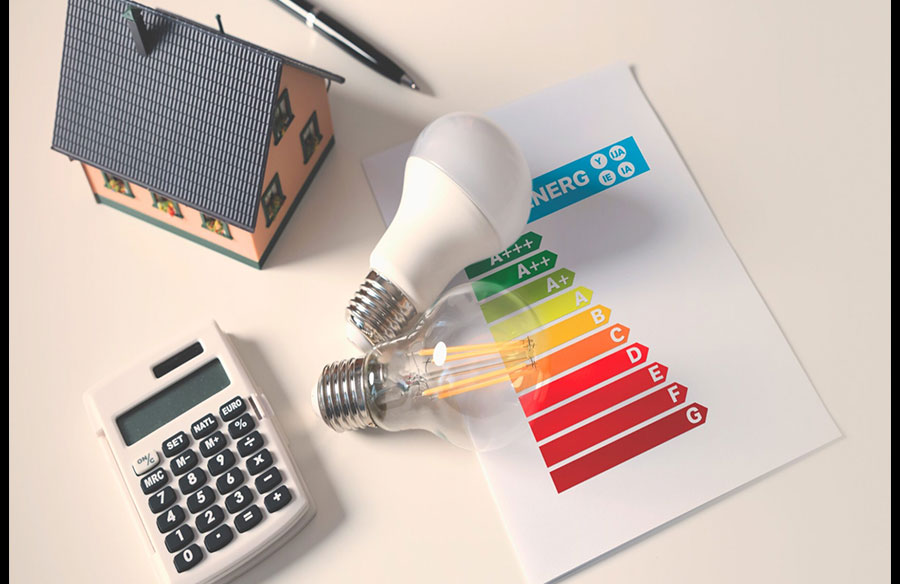
Before examining the causes of poor performance, it is worth understanding what an EPC actually measures—particularly in a market like London, where energy efficiency standards are becoming increasingly strict. The certificate rates a property’s energy efficiency on a scale from A (most efficient) to G (least efficient). The assessment considers factors such as insulation, heating systems, glazing, lighting, and renewable energy sources.
In London, an accredited domestic energy assessor evaluates the property and generates a report that includes both the current rating and a potential rating if recommended improvements are implemented. The assessment methodology is governed by the UK Government and aligns with broader decarbonisation goals. For authoritative guidance on energy efficiency regulations and safety considerations during improvement works, the Health and Safety Executive provides comprehensive resources that property professionals in London should consult before undertaking major upgrades.
Inadequate or Deteriorating Insulation
One of the most significant contributors to a low EPC score in London is poor insulation. Heat loss through walls, roofs, and floors accounts for a substantial portion of energy waste in residential buildings. Many older London properties, particularly those built before the 1990s, were constructed with minimal or no cavity wall insulation. Victorian and Edwardian homes—common across London boroughs—pose particular challenges due to their solid wall construction.
Loft insulation is another frequent weak point in London homes. While regulations now require a minimum depth of 270 millimetres, many properties still fall short. Without proper loft insulation, homes can lose up to a quarter of their heat through the roof alone.
Floor insulation is often overlooked in London properties, especially those with suspended timber floors. Cold air penetration creates draughts and increases heating demand, directly impacting EPC ratings.
Outdated and Inefficient Heating Systems
Heating systems play a central role in EPC performance across London properties. Older boilers—especially those over 15 years old—often operate inefficiently, wasting a significant portion of energy.
Many London flats without gas connections rely on electric heating, which tends to score poorly in EPC assessments. Older storage heaters are particularly inefficient compared to modern systems.
Additionally, issues such as uninsulated pipework, outdated radiators, and lack of thermostatic controls are common in London properties and can significantly reduce efficiency.
Poor Quality Windows and Glazing
Single-glazed windows remain a major issue in parts of London, particularly in listed buildings and conservation areas where upgrades are restricted. These windows allow significant heat loss and reduce EPC scores.
Even older double-glazing installations found in London may perform poorly compared to modern energy-efficient units. Newer glazing technologies offer improved insulation and can dramatically boost energy performance.
Inefficient Lighting and Appliances
Although smaller in impact, lighting inefficiencies are still relevant in London EPC assessments. Properties still using halogen or incandescent bulbs will score lower. Switching to LED lighting is a quick and cost-effective upgrade widely recommended across London homes and rental properties.
Lack of Renewable Energy Sources
In London, properties without renewable energy systems often struggle to achieve higher EPC ratings. Solar panels, heat pumps, and other technologies are increasingly encouraged as part of the city’s push toward sustainability.
However, in dense urban areas like London, installation can be limited by space, planning regulations, and building type—especially in flats and historic buildings.
Construction Age and Design Limitations
The age of properties in London is a major factor influencing EPC scores. Pre-1919 buildings, which are widespread across the city, inherently face efficiency challenges due to their original construction methods.
Even some newer London developments can underperform due to poor construction quality or design flaws such as thermal bridging and lack of airtightness.
The Consequences of Ignoring Low Scores in London
A poor EPC rating has serious implications in London. Under Minimum Energy Efficiency Standards (MEES), landlords cannot legally rent out properties with ratings below E—a regulation that is expected to tighten further.
For homeowners, low EPC scores can reduce property value and make homes less attractive to buyers in London’s competitive property market. Additionally, inefficient homes contribute to higher energy bills and increased carbon emissions.
Practical Steps Toward Improvement
Improving EPC ratings in London requires a strategic approach. Property owners should:
- Upgrade insulation (loft, wall, and floors)
- Install modern heating systems
- Replace outdated glazing
- Switch to LED lighting
- Consider renewable energy options where feasible
For older London properties, specialist advice is crucial to ensure upgrades meet both efficiency goals and planning regulations.
Conclusion
Low EPC scores in London are rarely caused by a single issue. Instead, they reflect a combination of insulation problems, outdated systems, and missed efficiency opportunities.
With increasing regulations and rising energy costs in London, improving EPC ratings is no longer optional—it’s essential. By addressing these issues, property owners can enhance comfort, reduce expenses, and improve property value while contributing to a more sustainable future.