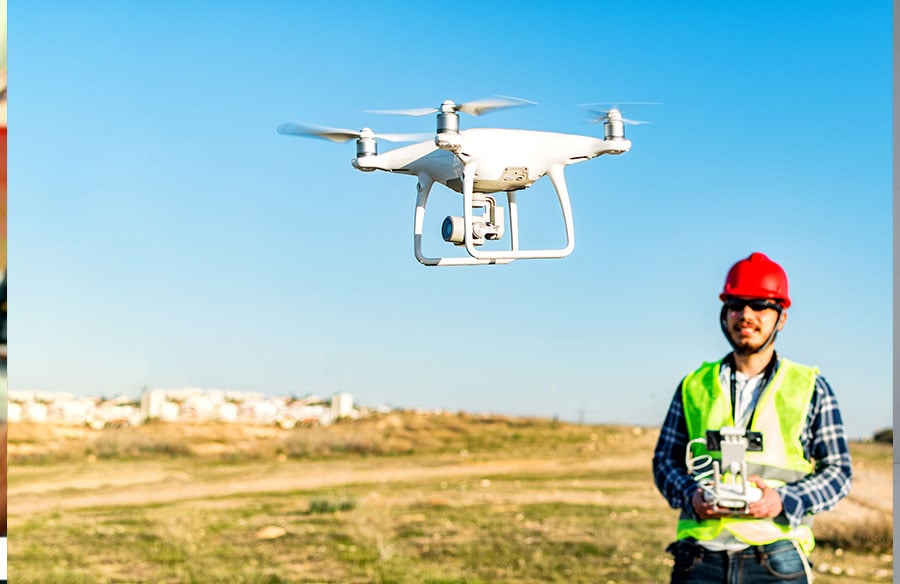
Australia’s commercial drone industry is experiencing unprecedented growth, creating exciting career opportunities for qualified pilots. With professionals earning $83,700 on average per year, and experienced operators commanding $100,000 or more annually, the financial rewards are substantial. New pilots typically start at $61,000, with clear pathways to increase earnings as they gain experience and specialise in high-demand areas.
The career opportunities span diverse industries nationwide, from agriculture and media to construction, real estate, mining, and environmental conservation. Companies across Australia are actively seeking qualified drone operators, yet the supply of certified professionals hasn’t kept pace with demand. This skills gap creates exceptional opportunities for those willing to complete the necessary training and certification. In this guide, you’ll discover the wide range of career opportunities available to commercial drone pilots, what drone remote pilot licence training you need and learn exactly how to position yourself for success in this thriving industry.
High-Demand Industries Seeking Drone Pilots
Mining and Resources: Premium Pay Opportunities
Mining companies offer some of the most lucrative opportunities for commercial drone pilots. The resources sector actively recruits qualified pilots to handle critical operations including surveying, prospecting, equipment inspections, and stockpile management. These roles often come with excellent salaries, benefits packages, and the opportunity to work on significant projects.
Contract rates in mining can reach $140 per hour or more for experienced pilots with specialised skills, making this one of the highest-paying sectors in the drone industry. The remote locations of many mining sites also mean accommodation and travel expenses are typically covered, increasing the overall value of these positions.
Media and Entertainment: Creative Career Paths
For pilots with an artistic eye, the media and entertainment industry offers exciting and varied opportunities. Real estate photography and videography represents a significant market, with agents and property developers constantly needing high-quality aerial footage. Many drone pilots build successful businesses focused entirely on real estate work, charging between $300 and $800 per shoot depending on the property and package.
Film and television production companies seek skilled drone pilots for commercials, documentaries, and feature films. Wedding and event videography provides another steady income stream, with couples and companies willing to pay premium prices for professional aerial footage. Tourism marketing represents a growing niche, with tourism boards and travel companies needing stunning aerial content to promote destinations.
Agricultural Sector: Diverse and Growing
Agriculture stands as one of the largest and fastest-growing sectors for commercial drone pilots. Career paths in agricultural drone operations include crop spraying and spreading, where pilots operate specialised drones to apply pesticides and seeds across large areas. This work commands premium rates due to the specialised equipment and skills required.
Crop health monitoring creates ongoing contract opportunities, with regular aerial surveys helping farmers identify issues early. Livestock management using thermal imaging and aerial surveys helps monitor animals across vast properties. Many agricultural drone pilots work on seasonal contracts or establish ongoing relationships with multiple farming operations, creating steady year-round income.
Construction and Infrastructure
The construction industry relies heavily on drone technology for project monitoring, surveying, and documentation. Opportunities include site surveying before projects begin, regular progress monitoring during construction, and final documentation upon completion. Large construction companies often employ full-time drone pilots, whilst smaller firms engage contractors on a project basis.
Infrastructure inspection represents a particularly lucrative specialisation. Bridges, power lines, telecommunications towers, roads, and rail networks all require regular inspection. Government agencies and utility companies actively seek qualified pilots for these ongoing contracts.
Emergency Services: Making a Real Impact
Emergency services across Australia increasingly rely on drone technology, creating meaningful career opportunities. Fire services use drones during bushfires to assess fire behaviour and plan firefighting strategies. Police services employ drones for search and rescue operations, traffic accident investigation, and event monitoring. Some states now offer permanent positions for drone pilots within their emergency services departments, providing stable government employment with excellent benefits.
Specialised Niches
Environmental conservation work involves using radio-tracking and thermal imaging to monitor endangered species and support wildlife research. 3D mapping and surveying specialists command premium rates, with surveyors and engineers needing accurate models for projects. Industrial facility monitoring creates ongoing contract opportunities with major corporations, whilst maritime operations and telecommunications work offer additional specialised paths.
Getting Qualified: Your Path to Certification
Understanding Certification Requirements
Australian law requires anyone flying drones commercially to hold a CASA-issued Remote Pilot Licence (RePL). This certification is non-negotiable for accessing commercial opportunities. Many companies won’t even consider applications from pilots without proper certification.
Starting your certification journey requires obtaining an Aviation Reference Number (ARN) through CASA’s myCASA portal. The application process is straightforward, requiring just one identity document. You’ll typically receive your ARN by email within minutes.
Choosing the Right Training Course
With your ARN secured, enrol in a CASA-approved drone pilot course. Quality training programmes prepare you for real commercial scenarios, introduce you to industry contacts, and often provide job placement assistance. Look for courses that include both comprehensive theory and extensive hands-on training covering air law, meteorology, flight techniques, and operational procedures.
RePL training combines classroom theory with practical flight skills. You’ll need to score at least 85% on a 100-question multiple-choice theory exam. The practical component tests your flying skills under instructor supervision, concluding with a flight test. After successfully completing both components, your training provider applies for your RePL.
Register Your Drone
Your drone needs registration with CASA before any commercial flights. Registration happens online through your myCASA account. Drones weighing 500g or less are free to register, while heavier ones cost $60 per drone.
Additional Qualifications
An Aeronautical Radio Operator Certificate (AROC) allows you to operate in controlled airspace, a requirement for many higher-paying jobs. Specialised training in thermography, photogrammetry, or specific industry applications makes you more valuable to employers and allows you to charge premium rates.
Launching Your Career
Building Your Portfolio
Before pursuing paid work, invest time in personal projects that demonstrate your skills. Offer free or discounted services to a few select clients to build real-world experience and gather testimonials. Choose projects that will impress potential clients, such as real estate shoots or promotional content for local businesses.
Multiple Career Pathways
Direct employment with large companies offers stability and benefits. Contract work provides flexibility and excellent hourly rates between $110 and $140 plus superannuation. Freelancing allows you to build your own business and set your rates. Some pilots eventually establish drone services companies, hiring other pilots and expanding operations.
Marketing Your Services
Create a professional website showcasing your best work, services offered, and contact information. Use social media platforms like Instagram and LinkedIn to reach potential clients. Join local business groups and network actively. Word-of-mouth referrals drive much of the drone industry, making every client interaction crucial.
Professional Protection
Third-party liability insurance, whilst not legally required, is essential for serious commercial pilots. Quality policies typically cover up to $30 million for third-party claims. Many clients require proof of insurance before engaging your services.
Maximising Your Success
Develop Specialisations
Rather than trying to serve every market, developing expertise in specific niches typically leads to higher income. Specialists can charge premium rates because they offer unique value. Research which specialisations interest you and align with market demand in your region.
Stay Current
CASA regularly updates drone regulations through their RPAS and AAM Strategic Regulatory Roadmap. Subscribe to CASA Briefing and RPAS News to stay informed. Following industry publications and participating in online communities keeps you connected to emerging trends and opportunities.
Consider Your Geographic Scope
Whilst major cities offer abundant work, regional and remote areas often have fewer qualified pilots and higher demand. Remote work opportunities, particularly in mining and agriculture, often pay premium rates and cover accommodation and travel costs.
The Future Looks Bright
The drone industry continues its rapid evolution, with new opportunities emerging regularly. Beyond visual line of sight operations, urban air mobility, and package delivery represent massive potential growth areas. Sectors like healthcare, insurance, and utilities are just beginning to explore drone applications, creating fresh opportunities.
A career as a commercial drone pilot in Australia offers exceptional opportunities across diverse industries. The journey begins with proper training and certification through a CASA-approved course. Success requires building a strong portfolio, marketing your services effectively, maintaining professional standards, and continuously developing your capabilities.
The Australian drone industry continues growing faster than the supply of qualified pilots, creating a favourable job market. Whether you aim to work for an established company, build a freelance career, or start your own business, the opportunities are there for qualified, professional pilots. Begin by obtaining your ARN, enrol in quality training, complete your RePL certification, and start building your career strategically. The time to start is now, and the future for commercial drone pilots in Australia looks exceptionally bright.