
The Chicago housing market has long stood apart from many other major U.S. cities. While markets like New York, Los Angeles, and Miami often dominate headlines with dramatic price swings, Chicago offers something different—a more stable, layered, and locally influenced real estate environment. For buyers, sellers, and investors alike, understanding the Chicago housing market requires a closer look at neighborhood dynamics, pricing trends, and broader economic factors shaping the city.
In recent years, Chicago has experienced a mix of steady demand, moderate price growth, and shifting buyer preferences. Rather than extreme volatility, the market reflects a more balanced trajectory, influenced by affordability, urban migration patterns, and changing work habits.
Overview of the Chicago Housing Market
The Chicago housing market remains one of the largest and most diverse in the United States. With a mix of downtown condos, suburban single-family homes, and historic properties across neighborhoods, it offers a wide range of options for different types of buyers.
Unlike some high-growth markets, Chicago’s home prices have historically grown at a more moderate pace. This has helped maintain relative affordability compared to other major cities, making it attractive for both first-time buyers and long-term residents.
At the same time, demand remains strong, particularly in well-established neighborhoods with access to transportation, schools, and amenities.
Home Prices and Market Stability
One of the defining characteristics of the Chicago housing market is its stability. While prices have increased over time, they have done so at a steady rate rather than experiencing dramatic spikes.
This stability offers several advantages:
- Buyers face less pressure from rapid price inflation
- Sellers can rely on consistent demand
- Investors benefit from predictable long-term growth
In recent years, median home prices in Chicago have continued to rise modestly, reflecting ongoing demand while avoiding the overheating seen in some other metropolitan areas.
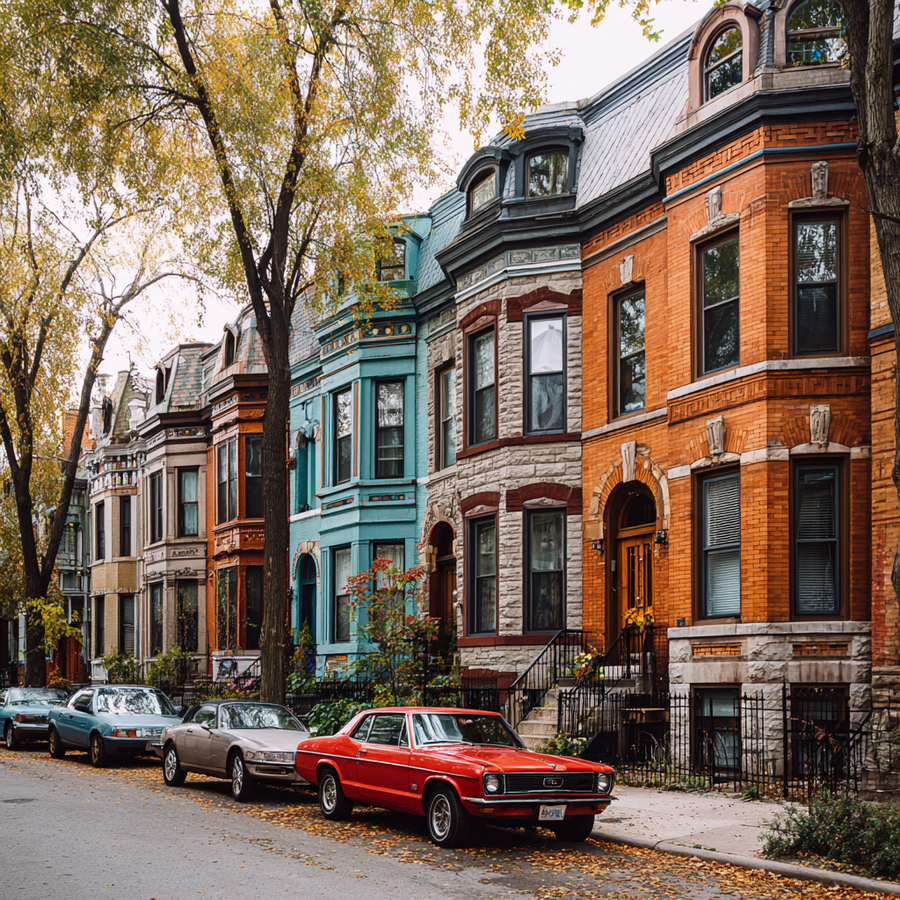
However, price trends can vary significantly by neighborhood. Areas such as Lincoln Park, Lakeview, and West Loop often command higher prices due to their amenities and proximity to downtown, while other neighborhoods offer more affordable entry points.
 Supply and Inventory Trends
Inventory levels play a crucial role in shaping the Chicago housing market. Over the past few years, inventory has fluctuated, with periods of tight supply followed by gradual increases.
Currently, the market is moving toward a more balanced state. While some areas still experience limited inventory, others have seen an increase in available listings.
This shift has led to:
- More options for buyers
- Slightly longer time on market for sellers
- Increased importance of competitive pricing
New construction has also contributed to inventory, particularly in downtown and suburban areas. However, rising construction costs and zoning constraints continue to limit how quickly supply can expand.
Buyer Behavior and Market Demand
Buyer behavior in Chicago has evolved in response to both economic conditions and lifestyle changes.
Key trends include:
- Increased demand for larger homes and flexible spaces
- Continued interest in suburban living
- Strong activity among first-time buyers
- Cautious decision-making due to interest rate changes
Remote and hybrid work arrangements have influenced where people choose to live. While downtown living remains popular, some buyers are prioritizing space and affordability in suburban areas.
At the same time, Chicago continues to attract buyers seeking urban amenities, cultural attractions, and access to employment opportunities.
The Role of Interest Rates
Interest rates have a significant impact on the Chicago housing market. As rates rise, affordability decreases, which can slow buyer activity. Conversely, lower rates tend to stimulate demand.
In recent years, fluctuations in interest rates have led to:
- More cautious buyer behavior
- Increased focus on affordability
- Greater negotiation between buyers and sellers
Despite these challenges, demand has remained relatively resilient, supported by the city’s diverse economy and population.
Neighborhood Variations Across Chicago
One of the most important aspects of the Chicago housing market is its neighborhood diversity. Each area has its own characteristics, price points, and demand drivers.
For example:
- Downtown and West Loop: High demand for condos and luxury living
- North Side neighborhoods: Strong appeal for families and professionals
- South and West Side areas: Opportunities for affordability and investment
Understanding these local differences is essential for anyone navigating the market. What applies in one neighborhood may not hold true in another.
The Role of Cash Buyers in the Market
In a market as large and varied as Chicago, different types of buyers play a role in shaping activity. Alongside traditional buyers using financing, there is also a segment of investors and companies often referred to as cash home buyers Chicago residents may encounter when exploring selling options.
These buyers typically purchase properties without relying on mortgage financing, which can allow for faster transactions and fewer contingencies. While not the primary driver of the market, their presence adds another layer of flexibility, particularly for sellers seeking quicker sales or dealing with properties that may require repairs.
Their activity reflects the broader diversity of the Chicago housing market, where multiple transaction types coexist depending on individual needs and circumstances.
 Challenges Facing the Chicago Housing Market
Like any major market, Chicago faces several challenges that influence housing trends.
These include:
- Affordability concerns for some buyers
- Property taxes, which can be higher than the national average
- Economic uncertainty and inflation
- Limited housing supply in certain areas
Additionally, migration patterns have influenced demand, with some residents relocating to other states while others continue to move into the city.
Despite these challenges, Chicago remains a resilient market with strong fundamentals.
Opportunities for Buyers and Sellers
The current Chicago housing market presents opportunities for both buyers and sellers, though strategies may differ.
For buyers:
- Increased inventory provides more choice
- Negotiation opportunities may be more common
- Stable pricing reduces the risk of sudden spikes
For sellers:
- Demand remains steady in desirable areas
- Well-priced homes can still attract strong interest
- Proper presentation and marketing are increasingly important
Understanding market conditions and working with experienced professionals can help both buyers and sellers achieve their goals.
The Future of the Chicago Housing Market
Looking ahead, the Chicago housing market is expected to continue its pattern of steady, moderate growth.
Key factors influencing the future include:
- Economic stability and job growth
- Interest rate trends
- Population changes
- Ongoing development and infrastructure improvements
While dramatic price surges are unlikely, the market’s stability may continue to attract buyers seeking long-term value.
Chicago’s combination of affordability, diversity, and economic opportunity positions it as a unique and enduring player in the national housing landscape.
Investment Opportunities in Chicago Real Estate
Chicago continues to offer opportunities for real estate investors, particularly due to its relative affordability compared to other major cities.
Rental demand remains strong, driven by:
- A large population of renters
- Universities and employment centers
- Ongoing urban development
Investors often look for properties in emerging neighborhoods or areas undergoing revitalization. These locations can offer potential for appreciation while maintaining rental income.
Additionally, Chicago’s diverse housing stock allows investors to choose from a range of property types, including multi-family units, condos, and single-family homes.
Final Thoughts
The Chicago housing market offers a compelling blend of stability, opportunity, and diversity. Unlike more volatile markets, it provides a balanced environment where buyers, sellers, and investors can make informed decisions without the pressure of extreme fluctuations.
From neighborhood-level variations to broader economic influences, understanding the nuances of the market is key to success. Whether you are buying your first home, selling a property, or exploring investment opportunities, Chicago’s real estate landscape rewards those who take the time to understand it.
In a constantly evolving housing market, Chicago stands out not for dramatic headlines, but for its consistency—and in real estate, that can be one of the most valuable qualities of all.