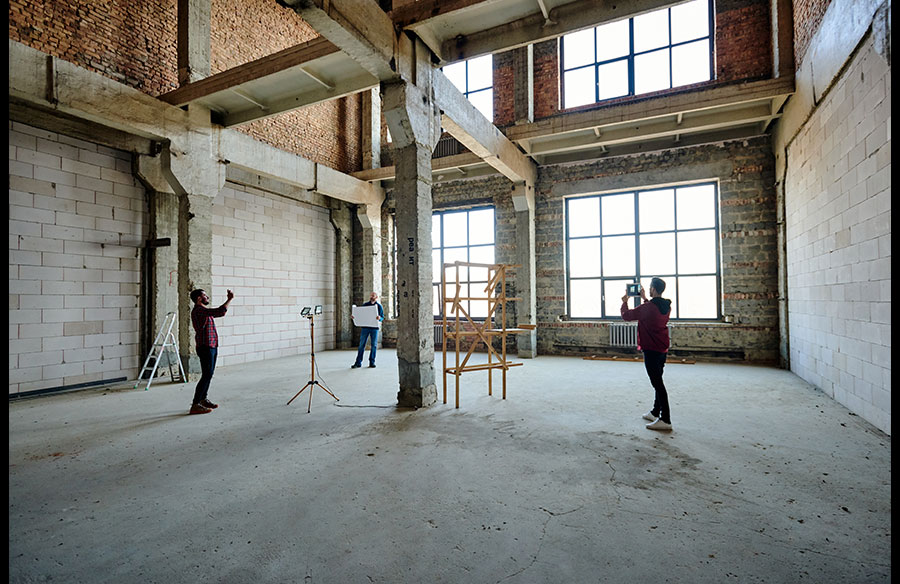
The Challenge of Integration in Modern Construction
In today’s fast-paced construction industry, the divide between architectural studios and construction sites has become an increasingly critical challenge. Architects and designers often operate in isolated environments, crafting detailed plans and innovative solutions that must then be interpreted and executed by construction teams on-site. This separation can lead to miscommunication, delays, and costly errors, ultimately impacting project timelines and budgets.
Bridging this gap requires not only improved communication but also the integration of technology and processes that connect design intent directly with construction execution. As digital transformation reshapes industries worldwide, construction is no exception. Leveraging specialized IT services tailored to the unique demands of construction and design firms can dramatically improve collaboration and efficiency.
The construction industry has historically lagged behind other sectors in adopting digital tools. According to a report by McKinsey & Company, productivity in construction has improved by only about 1% annually over the past two decades, compared to 3.6% in manufacturing. This stagnation is partly due to the disconnect between the design phase and on-site execution, where critical information is frequently lost or misinterpreted.
Leveraging IT Solutions to Connect Studio and Site
Technology plays a pivotal role in ensuring seamless communication between the studio and the construction site. Cloud-based project management platforms, real-time data sharing, and mobile access to design documents enable teams to stay aligned, regardless of physical location. However, implementing and maintaining these systems requires specialized expertise.
This is where Crestline’s IT expertise becomes invaluable. Their deep understanding of the construction sector’s IT needs allows firms to adopt the right tools and infrastructure that support collaboration and data integrity. From secure file sharing to remote access and network security, their services help bridge the digital divide that often hampers construction projects.
For example, construction projects generate vast volumes of data daily, from design changes and material orders to progress reports and safety logs. Managing this information efficiently demands robust IT infrastructure and software solutions tailored to construction workflows. provides customized solutions that enable seamless data flow across all project stakeholders, reducing the risk of errors and rework.
According to a report by McKinsey, large construction projects typically take 20% longer to finish than scheduled and can be up to 80% over budget, partly due to poor communication and lack of real-time data sharing. Access to reliable IT services that facilitate efficient workflows is a key factor in reversing these trends.
Similarly, At Hardin Technology provides tailored managed IT services that empower construction and design teams to work cohesively. Their expertise in integrating communication platforms and ensuring uptime means that architects and builders can communicate changes instantly, reducing the risk of costly rework and misinterpretations.
In addition, a study by the Construction Industry Institute found that effective communication and collaboration can improve project performance by up to 30%, underscoring the importance of technology-enabled integration.
Real-Time Collaboration: The New Standard
The adoption of Building Information Modeling (BIM) has revolutionized how architects and construction teams collaborate. BIM allows for detailed 3D models that integrate architectural, structural, and MEP (mechanical, electrical, plumbing) systems, providing a comprehensive digital representation of the project.
However, the benefits of BIM can only be fully realized when the data is accessible in real time by all stakeholders. Mobile devices on construction sites need to connect seamlessly with central servers where design changes are tracked and updated. Without robust IT systems, this level of collaboration can falter.
Estimates indicate that BIM adoption can reduce project costs by up to 20% and lower project delivery times by around 7% when effectively implemented. Managed IT services that specialize in supporting BIM environments are, therefore, essential for maximizing these advantages.
Real-time collaboration also extends beyond BIM. Cloud-based platforms facilitate instant messaging, video conferencing, and document sharing, ensuring that architects, engineers, contractors, and subcontractors are always on the same page. This connectivity is particularly critical when unforeseen issues arise on-site that require immediate design input.
Moreover, the integration of Internet of Things (IoT) devices on construction sites is becoming more prevalent. Sensors monitor equipment usage, environmental conditions, and worker safety, feeding data back to project managers and architects. This data-driven approach supports proactive decision-making and helps avoid costly delays.
Overcoming Barriers to Digital Transformation
Despite the clear benefits, many firms hesitate to fully embrace digital solutions due to concerns over cybersecurity, data loss, or the complexity of new systems. Resistance to change and the high upfront costs of technology adoption can also slow progress.
To address these issues, partnering with IT service providers who understand the construction industry’s specific challenges is crucial. Providers like Crestline and Hardin Technology are not just vendors; they are strategic partners helping firms navigate the digital transformation journey.
Further supporting this approach, a survey by KPMG found that 70% of construction executives believe digital technologies will significantly impact their business in the next five years, but only 30% feel fully prepared to implement these changes. This gap highlights the need for expert IT support to ensure smooth transitions.
Cybersecurity is a particular concern in construction, where sensitive project data and intellectual property are at risk. According to a report by Deloitte, 48% of construction firms have experienced a cybersecurity incident in the past year. IT providers specializing in the industry offer tailored security protocols and disaster recovery plans that protect critical data and maintain business continuity.
Additionally, the complexity of integrating new digital tools with legacy systems can pose technical challenges. Expert IT partners can facilitate these integrations, ensuring that new software works harmoniously with existing infrastructure, minimizing disruptions.
The Human Factor: Training and Change Management
Technology alone cannot bridge the studio-site gap; people must be equipped to use it effectively. Training programs, ongoing support, and change management initiatives are vital to help teams adopt new tools and workflows.
IT service providers often offer comprehensive training and support packages, ensuring that all users-from architects to site managers-can leverage technology to its full potential. This holistic approach reduces friction, enhances productivity, and fosters a culture of continuous improvement.
Change management is particularly important in construction, where diverse teams with varying levels of technological proficiency must collaborate. Effective training programs help overcome resistance to new systems and encourage adoption by demonstrating clear benefits to daily workflows.
Moreover, ongoing support ensures that technical issues are resolved quickly, preventing downtime and frustration. This continuous engagement helps maintain momentum during digital transformation efforts and sustains long-term success.
Conclusion: Building a Connected Future
The future of construction depends on breaking down silos between design studios and construction sites. By integrating advanced IT solutions and fostering real-time collaboration, firms can improve accuracy, reduce delays, and control costs.
Partnering with specialized IT service providers empowers construction companies and architectural firms to navigate digital transformation confidently. These collaborations enable projects to move forward with greater transparency, efficiency, and innovation, ultimately bridging the gap between vision and reality.
As the construction industry continues to evolve, embracing technology and human-centered change management will be essential. Firms that successfully connect the studio and the site will not only deliver better projects but also build a more resilient and competitive future.