
Baku-born Aylin Alakbarli doesn’t believe art and design are separate worlds, in fact, she blends them in her practice, which ranges from video art to poster design.
A graduate of Yale University with a Master of Fine Arts in Graphic Design, Alakbarli has achieved international recognition primarily as a visual artist, yet her professional trajectory as an art director and designer speaks volumes about the interchangeability she perceives between these fields. Her unique background, which also includes Geophysical Engineering from French Azerbaijani University, imbues her work with a rare blend of analytical rigor and expansive creative vision.
Her work, which includes animated pieces showcased at international festivals like ANIMA, and public displays on Times Square billboards, underscores her commitment to socially-conscious and emotionally resonant narratives while imbuing her work with non-narrative nostalgia and softness as a form of rebellion.
Through her roles as a Design Trainer and her research into traditional carpet patterns utilizing machine learning, she continues to push the boundaries of creative practice, proving that the most compelling visions emerge from the thoughtful synthesis of diverse art-design hybrid disciplines.
Her journey illustrates a pivotal moment in creative culture, where the artist and the designer are increasingly one, shaping experiences that are as deeply felt, as much as they are effectively communicated.
Bridging the worlds of graphic design and fine art is no easy feat, as one often dominates the other, from visual cues or commercialism. However, Alakbarli’s philosophy challenges the traditional silos of art and design, advocating for a holistic approach to visual communication.
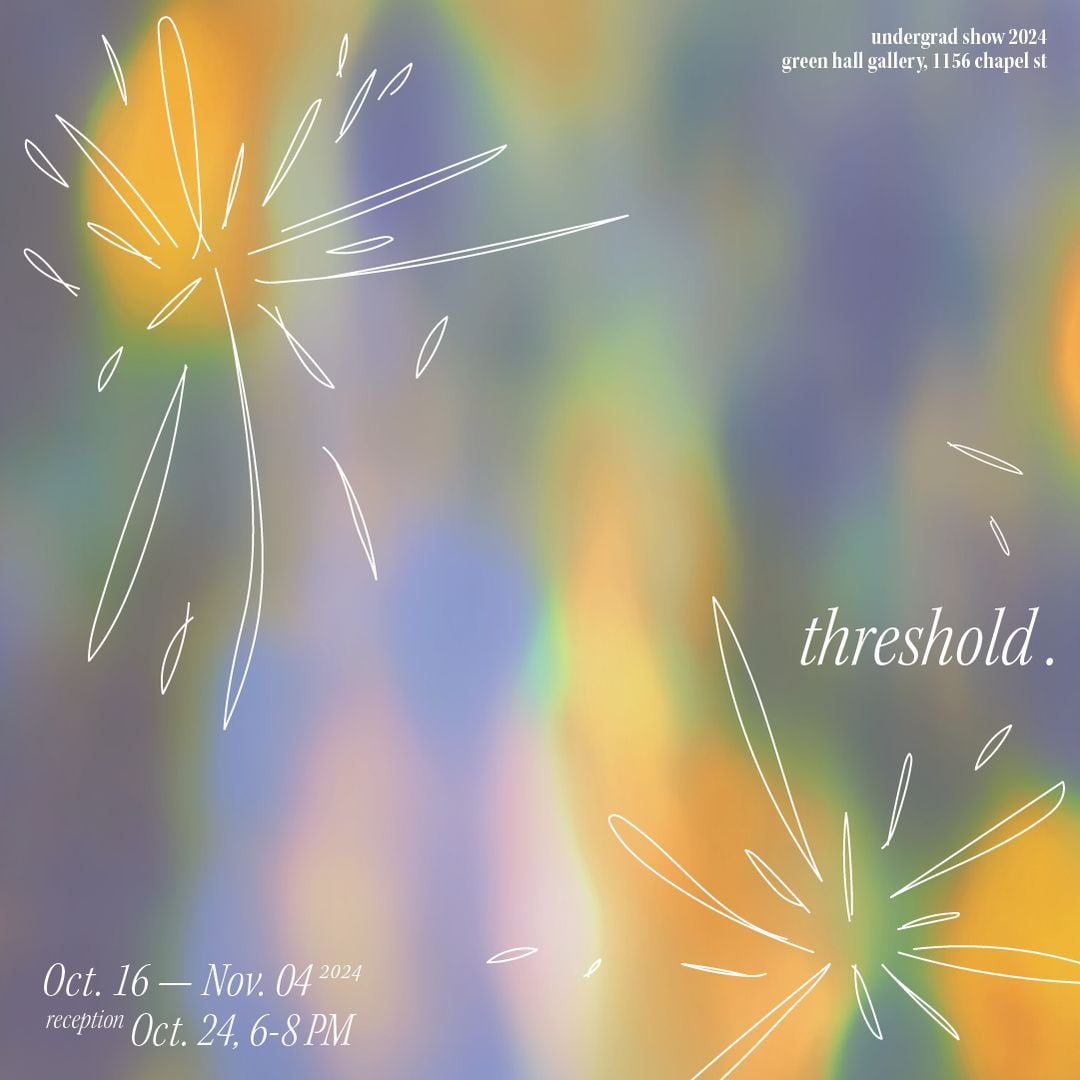 “I’ve never viewed art and design as completely separate disciplines,” she said. “Both are about communication, perception, and creating experiences for people. The difference is often the context rather than the creative process itself.”
She credits graphic design for instilling structural thinking and clarity, while her artistic practice fosters emotional depth and experimentation. This synergistic approach, she argues, is not merely personal preference but a reflection of the evolving creative landscape.
“Contemporary creative culture is becoming increasingly interdisciplinary,” she adds. “Many of the most interesting projects today exist between art, design, technology, and media, rather than inside rigid categories. That space feels very natural to me because I’m interested equally in emotional expression and visual communication.”
This cross-disciplinary fluency enables Alakbarli to translate complex systems into visual experiences that are not only clear but also intimate, poetic, and deeply human; a quality often difficult for graphic designers to achieve.
“Many designers are trained to prioritize clarity and functionality above everything else, which can sometimes create work that communicates effectively but lacks emotional depth,” Alakbarli notes.
 Her artistic background, however, allows her to explore avenues like atmosphere, pacing, symbolism, and emotional tone in addition to usability, which fosters work that remains accessible, while resonating on a psychological and emotional level, demanding empathy and emotional awareness beyond mere technical skill.
Her impactful tenure as a graphic designer and later as an art director for many international sessions of the European Youth Parliament (EYP) exemplifies this approach. Tasked with enhancing the organization’s visual identity and communications strategy across these events, Alakbarli moved beyond institutional language to grasp the emotional core of the EYP.
“I focused first on understanding the emotional core of the organization, which is fundamentally about dialogue, participation, cultural exchange, and making young people feel heard,” said Alakbarli. As art director, she saw her role as translating these abstract ideals into visuals that foster emotional connection, designing posters, editorial layouts, social media graphics, and full visual systems for conferences, assemblies, and cultural programs.
Within these structured systems, she infused “warmth, movement, and a more human visual language,” employing layered typography, gradients, cinematic compositions, and emotionally driven color relationships to create branding that felt immersive and contemporary, rather than purely informational.
Alakbarli firmly believes that turning to art can profoundly enhance a designer’s capabilities. “I think art helps designers develop emotional awareness, sensitivity, and a deeper understanding of human perception,” she said. By encouraging observation, experimentation, and emotional depth, art counteracts the potential for design to become overly focused on efficiency or transient trends.
“For me, the strongest design work comes from people who understand not only how to communicate clearly, but also how to create emotional experiences that stay with people long after they encounter them,” said Alakbarli.
Visit her website at http://aylin.works.
Written by Margaret Wright
Published May 12, 2026