Can’t be present when the car shipping date is approaching? Learn the options available for you to organize your shipping and time.
The very notion of transporting a car through professional services hinges on the idea that it’s far more convenient than driving it yourself. While carrier companies and brokerages do provide a great amount of convenience, there are some things that you personally might have to do. But sometimes that’s not possible, either due to time constraints or other arrangements. This article aims to showcase what happens when you ship a car and are not personally present for it.
What Happens at Pickup?
 Once the shipment is arranged and a pick-up timeline is established, the carrier will send a hauler to the pick-up address. Once the hauler arrives at the address, the vehicle must be easily accessible, and there must be a key available for the hauler driver to use when loading the car. That key will stay with the driver until the shipment is completed.
The driver will do a visual inspection of the vehicle and note any damage, such as scratches, dings, or paint discolorations, on the vehicle. These findings are written down on the Bill of Lading (BOL), which is an important document detailing the transportation of the vehicle. Once the car is inspected by the driver, they use the provided key and load and secure the car onto the hauler trailer.
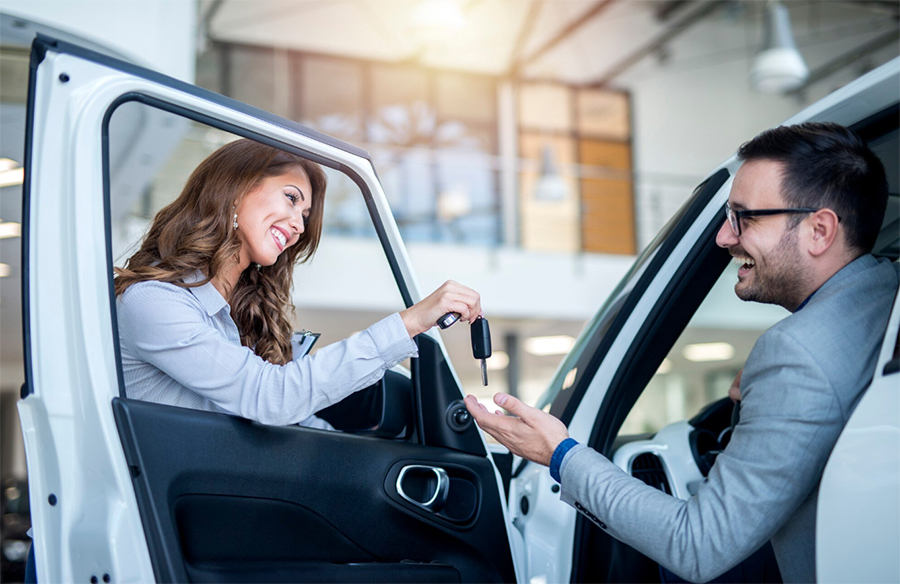
If you personally are not present for the pick-up, you can arrange for a representative to hand over the keys, confirm the inspection, and sign any relevant paperwork that might need to be finalized.
What Happens at Delivery?
The delivery process is the same as the pick-up one, but in reverse – the car is unloaded from the trailer, a final inspection of the car is done, and it is used to compare to the initial condition of the vehicle. Once that is done, the Bill of Lading is finalized with the inspection, and it is handed over to your representative for them to sign.
You can also arrange for a digital signature and finalization of the BOL; however, carriers must be notified about it ahead of time so they can prepare. Some carriers may refuse the service if no one is present at the delivery destination and if they have not been notified about it before the actual delivery.
If any issues with the car are found, then they must be noted in the BOL before signing.
Can I Ship My Car Without Being Present for Pickup or Delivery?
 The short answer is – yes, you can. There are some key requirements, however, that must be met before the service can be finalized. For instance, you must arrange for someone to be present at the pick-up and delivery of the vehicle, a representative who has be autorized by you personally. They can be a friend, a family member, a neighbour, or anyone that you trust and have authorized to sign the BOL on your behalf.
Their role is very important as they are responsible for the inspection of the vehicle and noting any damage that has occurred as a result of the transportation of the car. Posting an insurance claim after the delivery, without the damage being documented properly, can be very difficult, often resulting in an unsuccessful claim.
Situations When Attendance Isn’t Mandatory for Interstate Transport
Remote coordination is possible, and carriers are used to it, especially in some cases and when dealing with certain types of customers. In fact, it’s expected and a part of the service for carriers to work with customers remotely, for instance, when:
- You are moving to another state and are already there.
- When buying or selling a car online;
- When performing a military relocation due to base change or PCS reassignment;
- Moving to or from college;
- Seasonal snowbirds relocation.
All of the above are instances where carriers will accommodate customers who are not present for the pick-up or delivery of the vehicle. As long as they have a representative present to sign the BOL. This can also be arranged to be done online; however, some carriers prefer a physical signature and inspection of the car.
Eligible Individuals Authorized to Accept Vehicle Transfers
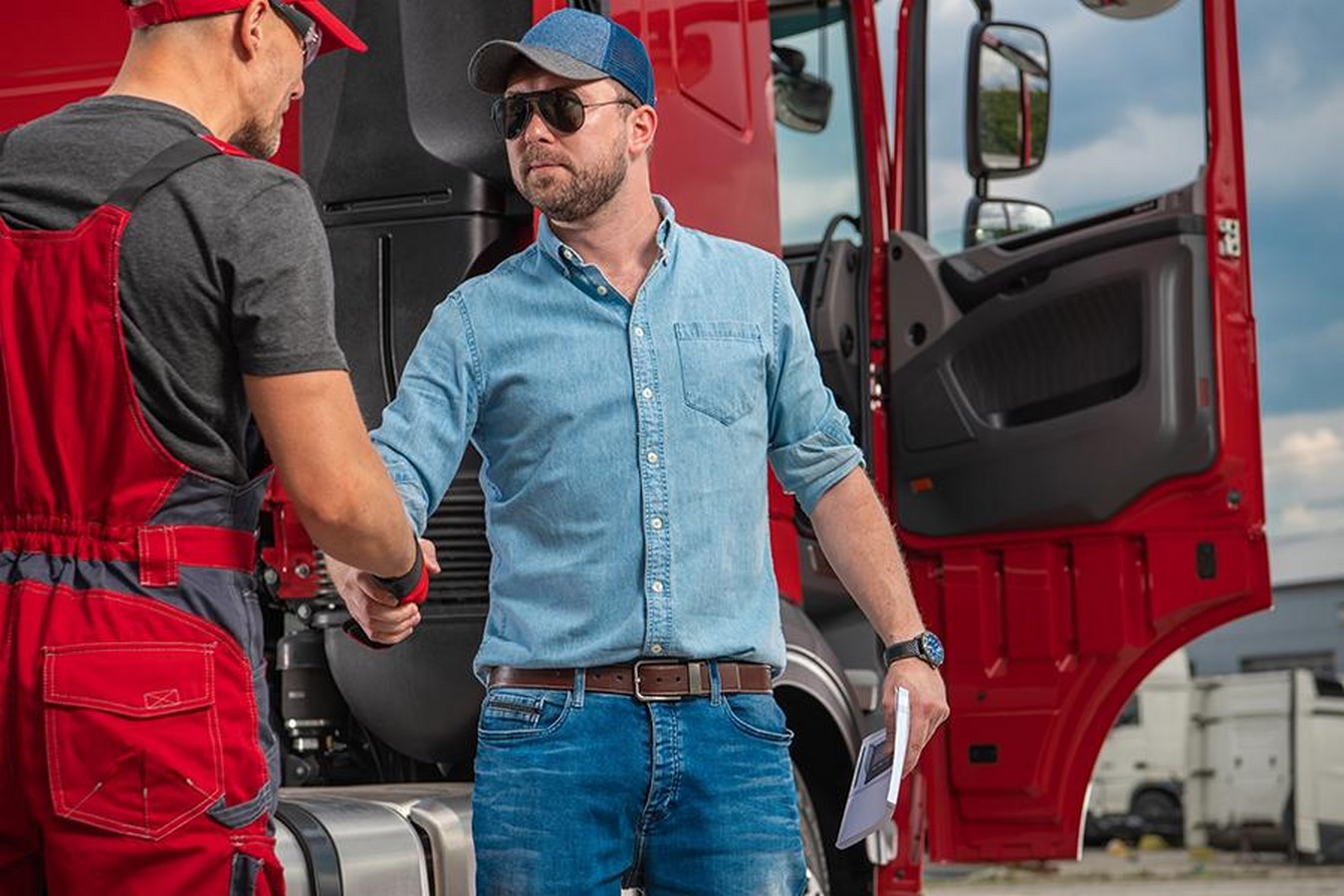 People who can accept a vehicle transfer or assist with delivery collection are adult individual that has already been authorized by you to act as your representative. They have to be legally authorized to do so, especially when signing a BOL release, since it is a part of official federal documentation that releases the carrier from further responsibility for the car’s condition.
Any individual over 18 can be your representative; they can be your friend, family member, neighbour, coworker, a doorman at your building, dealership staff, concierge, etc.
Select Trusted Contacts for Condition Checks
The role of the person representing you is not simply to sign the BOL, but also to realistically represent your interest, i.e., inspect the car for damage prior to signing the Bill of Lading.
This is an important step, as documenting any damage to the vehicle as a result of the transportation, or the loading and unloading process, is basically the only way to have a successful insurance claim.
If your representative fails to properly inspect the car, and down the line damage is found, this may leave you in an unpleasant situation without any other recourse other than to accept the damage.
This is why you use people whom you trust and know that have your best interest in mind, and they will do a proper job of inspecting for damage, as well as any necessary documentation.
Executing Paperwork Remotely at Unloading
If no one can be present for the unloading procedure, it can be arranged for you to sign the unloading paperwork digitally. Some carriers can easily accommodate this, while others are not as versed with it and prefer to have a physical representative present.
As long as you are clear about communicating your needs and expectations to a carrier or a brokerage well in advance of the shipment, then it’s possible to have the car shipped without you being present at either end of the process.
Methods for Hands-Free Vehicle Collection and Drop-Off
 You can leave their car keys with a trusted person, like a partner, family member, friend, or the front desk. You can leave them in a secure location, a lock-box which can be accessed via a code, or with someone where it’s easily accessible for the carrier to reach. Leave detailed instructions for the collection of the key. The same can be arranged for the drop-off of the vehicle, arrange for a person to collect the car keys, or have a secure location prepared for them where the carrier can leave them.
Vehicle Prep Steps for Owner-Absent Loading
You can be absent when the car is being loaded, but either you or someone you trust must prepare the car for the loading process. Some important things need to be done before the car is taken away for shipment:
- Remove personal items from the passenger compartment and secure them inside the trunk within a box with a lid.
- Ensure the car has no more than ¼ of fuel in the tank. Having more than that will put extra pressure on the carrier, as the DOT has regulations on fuel in transported vehicles.
- Detail the condition of the car; it’s a part of the shipping process, and it makes it easier for you to press any insurance claims due to transportation damage.
- Disable any alarms so they don’t trigger during the shipping process.
- Secure a working set of keys or have them made for the shipment.
Situations Demanding Your In-Person Oversight
 There are little to no mandatory situations that require your presence; however, there are some that would benefit from our presence. For instance,
Shipping a high-value vehicle, either a luxury, vintage, or classic;
If the car has current physical or mechanical damage;
Complex or hard-to-get-to delivery or pick-up locations;
First-time shippers who would like to have more control over the shipment.
Recommendations for Smooth Vehicle Receiving
At the end of the day, your experience can be yours to control, especially when you pick the right company. Here are some tips and recommendations on getting a pleasant vehicle receiving experience:
- Get a reliable representative – choose someone you trust and know you can rely;
- Have open and clear communication channels with the carrier.
- Clean the vehicle inside and out to make its condition easier to document for you and the carrier.
- Make sure you or your representative takes clear and concise photos; it makes future insurance claims easier.