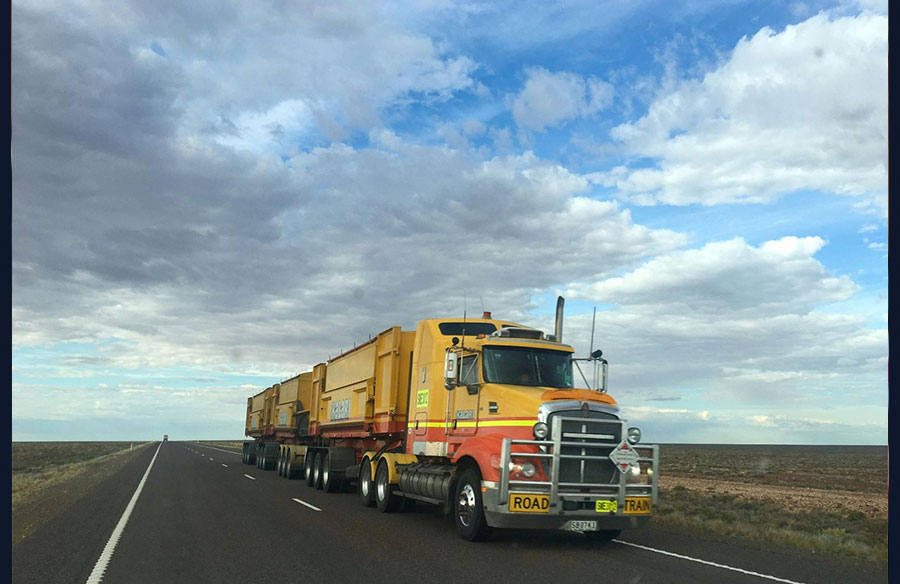
The Multi Combination licence represents the highest level of truck driving qualification available in Australia, and earning one opens the door to some of the most in-demand and well-paid roles in the transport industry.
Whether you are looking to drive B-doubles, road trains, or prime movers towing multiple trailers, understanding the pathway to your MC licence is the essential first step toward a rewarding career behind the wheel.
What an MC Licence Allows You to Drive
An MC licence qualifies you to operate heavy combination vehicles towing one or more trailers, each with a gross vehicle mass greater than 9 tonnes.
This covers an impressive range of vehicle configurations, including B-doubles, road trains, prime movers with attached trailers, truck and dog or pig trailer combinations, floats, and low loaders without a dolly.
Once you hold your MC licence, you are legally permitted to drive any heavy vehicle on Australian roads.
This makes it the most versatile truck licence available and the one that gives you the widest access to job opportunities across every corner of the transport, mining, logistics, and freight industries.
Career Opportunities With an MC Licence
 Holding a Multi Combination licence immediately sets you apart from drivers with lower licence classes, because employers in long-haul transport, interstate freight, and resource logistics actively seek MC-qualified operators.
The specialised skills required to safely handle the largest vehicles on the road command higher pay rates, better job security, and more consistent work throughout the year.
Industries such as mining, earthmoving, fuel transport, cement haulage, and general freight all rely heavily on MC-licensed drivers to keep their operations moving.
With Australia’s ongoing demand for skilled transport workers, particularly in Western Australia and across regional supply routes, there has never been a better time to invest in upgrading your licence to the highest level.
Eligibility Requirements You Need to Meet
Before you can begin MC training, there are specific eligibility criteria set by the Department of Transport that every candidate must satisfy.
In Western Australia, you need to hold a valid HR (Heavy Rigid) Australian licence for a minimum of 12 months, ensuring you have solid experience with heavy vehicles before progressing to multi-combination driving.
You will also need to hold a full C-class car licence for at least three years and pass an on-site eyesight test as required by the Department of Transport.
Two forms of identification, such as a WA driver’s licence, passport, or Medicare card, must be provided when you enrol, and you will visit the Department of Transport office to upgrade your licence class after completing your assessment.
The Natural Progression of Truck Licences
Most drivers follow a logical step-by-step pathway through the heavy vehicle licence classes rather than jumping straight to the MC level.
The typical progression begins with a Heavy Rigid (HR) licence for vehicles over 8 tonnes, moves up to a Heavy Combination (HC) licence for prime movers with a single semi-trailer, and then advances to the Multi Combination licence for the largest and most complex vehicle configurations.
Each stage builds on the skills and experience gained in the previous one, which is why holding an HR licence for at least 12 months is a mandatory prerequisite for MC training.
This structured approach ensures that by the time you step into a multi-combination vehicle, you already have a strong foundation in heavy vehicle handling, road awareness, and load management.
What to Expect During MC Training
A typical MC training course runs for approximately 12 hours spread across three days, covering both theory and practical components designed to prepare you for the practical driving assessment.
The theory component addresses road rules specific to multi-combination vehicles, vehicle inspection procedures, load restraint principles, and the safety considerations unique to operating the largest trucks on the road.
The practical training is where your skills truly develop, with hands-on instruction covering vehicle control, gear selection, braking techniques, cornering, lane positioning, and the critical skill of reversing a multi-combination vehicle safely and accurately.
Experienced instructors guide you through progressively challenging scenarios until you have the confidence and competence to handle any situation the assessment or real-world driving might present.
Why One-on-One Training Matters
The quality of your training experience depends heavily on whether you receive personalised attention or are grouped into a class where individual needs get overlooked.
One-on-one instruction allows your trainer to tailor every lesson to your specific skill level, progressing at a pace that builds genuine confidence rather than rushing through a rigid curriculum.
Enrolling in professional mc driver training courses with a provider like Perth Transport Training Academy ensures you receive dedicated individual attention from instructors who have spent years driving multi-combination vehicles across Australia.
Their real-world experience translates into practical, relevant instruction that prepares you not just to pass the assessment but to drive safely and competently from your very first day on the job.
Choosing the Right Training Provider
Not all truck driving schools deliver the same standard of instruction, and the provider you choose can significantly influence both your assessment outcome and your readiness for professional driving.
Look for a registered training organisation with a proven track record, a high first-time pass rate, and instructors who bring genuine industry experience rather than just classroom knowledge.
Flexibility in scheduling is another important factor, because many candidates are balancing training with existing work commitments or family responsibilities.
Providers that offer weekday and weekend session options, along with the ability to book additional training hours if you need more practice, make the entire process more accessible and less stressful.
Understanding the Practical Driving Assessment
The practical driving assessment, commonly referred to as the PDA, is the final hurdle between you and your MC licence.
This assessment is conducted by an authorised assessor and evaluates your ability to perform a thorough pre-trip vehicle inspection, safely operate the vehicle in traffic, execute controlled manoeuvres, and demonstrate competent reversing skills.
Thorough preparation is the key to passing on your first attempt, and this is where the quality of your training provider makes the biggest difference.
A good training academy will ensure you have completed enough practical hours to feel genuinely confident before sitting the assessment, rather than pushing you through before you are ready and risking a costly reassessment.
Course Costs and What to Budget For
MC training courses in Western Australia typically start at around $2,500 for a standard weekday session covering the full 12 hours of theory and practical instruction, plus the practical assessment.
Additional training hours are generally available at an hourly rate for candidates who want extra practice before attempting the assessment, and weekend or public holiday sessions can usually be arranged by appointment at adjusted pricing.
It is worth viewing the course fee as a career investment rather than a simple expense, because the earning potential that comes with an MC licence far outweighs the upfront training cost.
Many MC-qualified drivers recoup their training investment within the first few weeks of employment, particularly in industries like mining and long-haul freight, where multi-combination operators are in constant demand.
Preparing Yourself Before Training Begins
You can set yourself up for a smoother training experience by arriving with some foundational knowledge already in place.
Familiarise yourself with the basic road rules that apply to heavy vehicles, review the key principles of load restraint, and if possible, spend time observing multi-combination vehicles on the road to develop an understanding of how they behave in traffic and at low speeds.
Physical fitness and alertness also play a role in your training success, because operating a multi-combination vehicle demands sustained concentration, good spatial awareness, and the physical ability to perform vehicle inspections and handle heavy coupling equipment.
Arriving well rested, focused, and mentally prepared for each training session helps you absorb more from every hour of instruction.
Taking the Next Step
Earning your MC licence is one of the most impactful career decisions you can make in the Australian transport industry, providing access to higher pay, greater job variety, and long-term employment security.
The pathway is clearly defined, the eligibility requirements are straightforward, and with the right training provider behind you, the assessment is entirely achievable.
Do not let uncertainty or procrastination hold you back from reaching the highest level of truck driving qualification available.
Contact a reputable training academy, confirm that you meet the eligibility criteria, book your course, and take the first step toward joining the ranks of Australia’s most qualified and sought-after professional drivers.