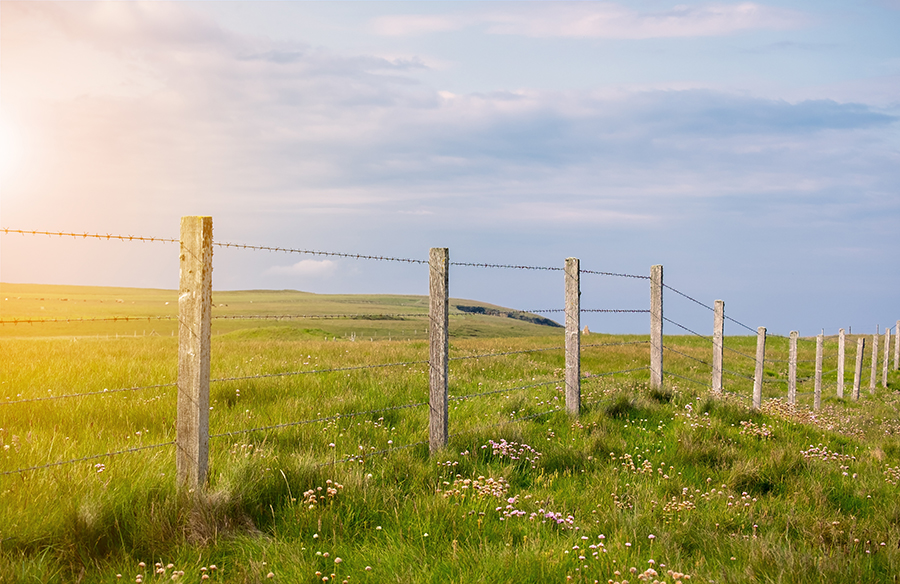
Vegetable plots face constant pressure from deer, rabbits, raccoons, woodchucks, and wandering pets. Once feeding starts, tender leaves, stems, and fruit can disappear within hours. Standard barriers help, yet many sites need a boundary that discourages contact before serious crop injury occurs. An electric fence provides a brief pulse that animals remember. That learned avoidance can preserve harvest quality, reduce plant stress, and support steadier production across the busiest months of the growing season.
Early Deterrence
Wildlife often investigates a border with the nose, whiskers, or shoulder before stepping farther inside. During that first test, an electric fence for garden systems delivers a short pulse that creates a clear association between the perimeter and discomfort, which many animals remember after a single encounter. Such conditioning can stop repeated entry, spare new transplants, and prevent one night of feeding from erasing days of careful soil work and planting.
Broad Coverage
Different pests approach beds in different ways, which makes flexible protection useful. Low wires can discourage rabbits, while higher strands help interrupt deer movement across open ground. Spacing may be adjusted for crop height, animal size, and seasonal pressure. One perimeter can shield lettuce, beans, berries, squash, and young shrubs without heavy panels. That range makes the method practical for kitchen gardens, family plots, and larger homestead plantings.
Reduced Crop Loss
Repeated browsing weakens plants long before destruction is visible. Missing leaves reduce photosynthesis, damaged stems slow growth, and fruit wounds raise the chance of rot. A fence limits entry at the edge, where harm usually begins. Fewer losses mean stronger yield estimates, better harvest timing, and less money spent replacing starts, seed, mulch, or compost. Healthier rows also recover faster after heat, wind, or heavy rain.
Lower Ongoing Costs
Many conventional barriers require dense mesh, substantial posts, and large amounts of hardware. Electric layouts often use fewer materials, which can reduce installation expense across long runs. Power demand usually remains modest with an appropriate energizer and proper grounding. Routine upkeep may also stay manageable, since individual wires are easier to inspect than full wall sections. For growers tracking seasonal spending, that balance can make protection easier to sustain.
Flexible Layouts
Garden plans rarely remain fixed from spring through autumn. Beds expand, trellises move, and new planting areas appear as harvest goals change. Electric lines can often be repositioned with less labor than rigid fencing, which helps match protection to shifting crop value. That mobility supports rotation, temporary pathways, and access for tools or wheelbarrows. Growers can adapt the boundary without rebuilding an entire perimeter every time the layout changes.
Better Visibility
Solid fencing can close in a small yard and block routine observation. Thin strands preserve open sightlines, allowing quick checks for irrigation problems, insect activity, weed growth, or ripening produce. Clear visibility also makes it easier to notice fallen branches, sagging wire, and fresh tracks near the border. Faster detection supports timely maintenance. In shared outdoor spaces, a lighter visual footprint can also preserve comfort and appearance.
Humane Behavior Training
A properly installed system works through brief aversion, rather than prolonged restraint or trapping. Modern energizers send short pulses separated by intervals, which helps limit exposure while still creating a strong memory. Voltage may be high, yet current remains low in garden applications intended for deterrence. With warning signs, correct grounding, and frequent testing, the fence can redirect wildlife without routine physical injury. Visible flags often improve first-contact awareness.
Reliable Through Seasons
Animal pressure shifts as weather, water availability, and food sources change through the year. Seedlings attract spring feeding, while ripening fruit draws heavier traffic later. Because the barrier acts through contact, protection remains useful across several crop stages. Seasonal upkeep, such as trimming grass beneath lower wires or adjusting strand height, helps maintain performance. That steadiness can protect labor and yield from early planting through the final autumn harvest.
Conclusion
Electric fencing offers a practical way to protect food crops before repeated browsing turns into major loss. Its strength lies in rapid deterrence, flexible layout options, modest operating cost, and compatibility with changing garden plans. When spacing, grounding, and routine testing are handled correctly, the system can defend plants without creating a bulky visual barrier. For many growers, that combination supports healthier crops, steadier harvests, and fewer setbacks across the full season.