
For book lovers, each book is more than just bound pages—it’s a world you can escape to whenever you want. But while more books mean more adventures, they also mean more clutter. Before you know it, you can’t find the book you’re looking for, and your space looks messier than it should.
Organizing your book collection doesn’t have to be overwhelming. Here are five practical tips to help you start, finish, and maintain order in your book collection.
1. Choose an Organization Pattern (and Stick with It!)
Pinterest might tempt you with creative ideas like organizing by ISBN or release date, but those methods aren’t always practical for everyday use.
When thinking about ideas to organize books, the best system is one you can actually maintain. If your method requires too much thought, you’ll struggle to keep things organized during busy weeks. Pick something that fits your natural habits.
Here are some popular approaches:
- By Genre: Separate fiction from non-fiction, or go deeper into subgenres like mystery, romance, or science fiction.
- By Color: Great if you care about aesthetics and respond well to visual cues. Your bookshelf becomes decor.
- By Status: Split books into “read” and “to be read” piles so you always know what’s next.
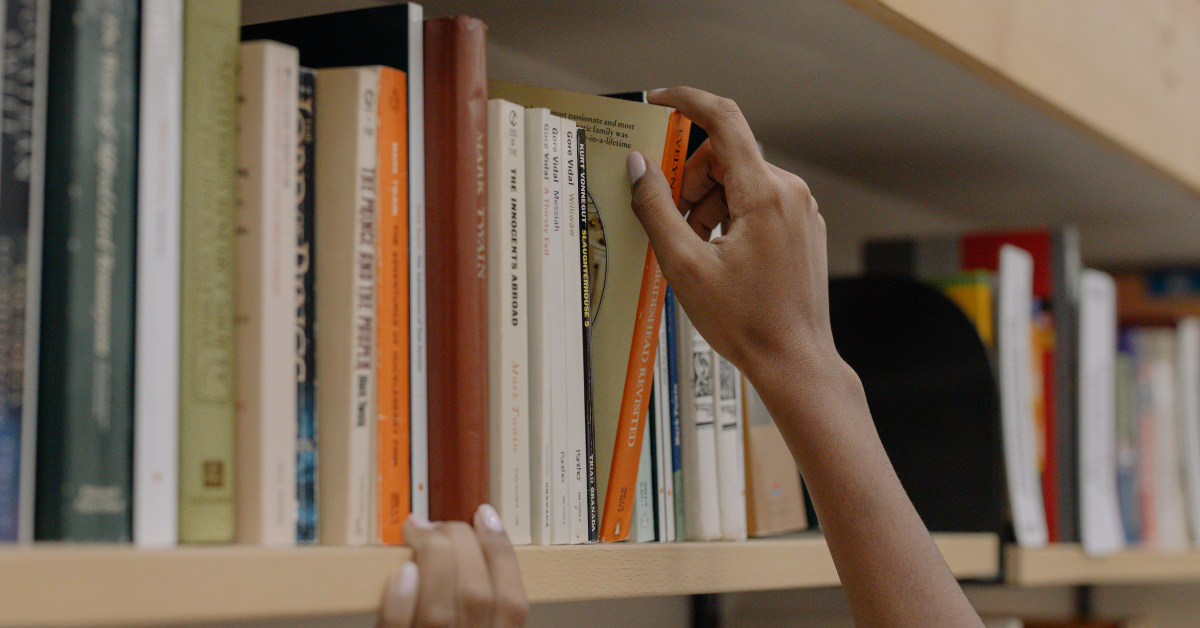 2. Keep Size in Mind
Your organization strategy needs to match both your space and the size of your collection.
If you prefer e-books and only keep a small physical collection, you can get away with compact shelves or even arrange books in small groups around your home based on where you use them. A few cookbooks in the kitchen, reference books near your desk—that kind of setup works.
But if you’re a serious collector, you’ll need substantial shelving. Trying to cram too many books onto small shelves creates chaos no matter how hard you work to maintain order. Invest in proper storage that fits your collection size.
3. Keep Your Favorite Books Close and Handy
Some books you return to again and again. Those shouldn’t be stored on the top shelf or tucked away in a corner.
Whatever organization system you use, keep your frequently read books in an accessible spot. They should be at eye level, no stretching or crouching required, and not blocked by decorations or other items.
This applies to reference books you consult regularly, comfort reads you revisit, or anything else you reach for often. Make them easy to grab.
 4. Declutter Regularly
Students and avid readers accumulate books fast, many of which never get read again. The best way to keep your collection organized is to regularly assess what you own and decide what’s worth keeping.
If you’re ready to part with some books, you can sell used books online for extra cash while keeping your collection aligned with your current interests. Alternatively, consider donating books to local libraries, schools, or charitable organizations—it’s a great way to clear space while giving your books a second life with readers who’ll appreciate them.
Remember, none of these organization tips will work long-term if you don’t declutter at least once or twice a year. A smaller, curated collection is always easier to maintain than a cluttered one.
5. Bookshelf Organization Tools Are Your Best Friends
You don’t need fancy systems, but a few simple tools make a big difference.
Bookends keep your books upright and prevent them from falling over. They come in countless styles, so you can choose ones that match your aesthetic—from minimalist metal to decorative figures.
Shelf dividers help you separate books according to your chosen system. They create clear boundaries between categories, making it easier to maintain order.
Even small decorative objects can function as dividers while adding personality to your shelves. The key is having something that keeps books grouped and easy to identify at a glance.
Final Thoughts
Organizing your book collection is about creating a system that works for your space, your habits, and your reading style. Start with a method you can maintain, invest in proper storage, and don’t be afraid to let go of books that no longer serve you.
A well-organized collection means you can actually enjoy your books instead of feeling overwhelmed by them. When you’re ready to make room for new reads, selling books you’ve finished with is an easy way to fund your next purchase.