Taking a page from the Roman Architecture Guidebook Roman architecture refers to the architectural style that was prevalent in ancient Rome and its territories from the 3rd century BCE to…
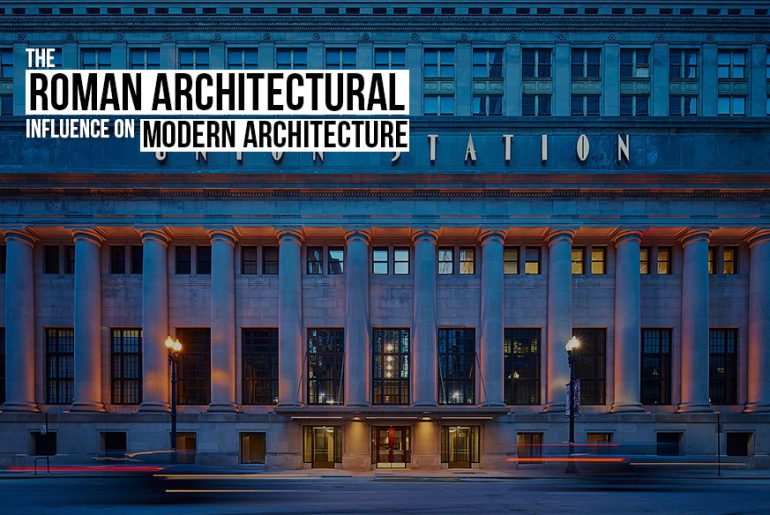


Taking a page from the Roman Architecture Guidebook Roman architecture refers to the architectural style that was prevalent in ancient Rome and its territories from the 3rd century BCE to…

India is currently experiencing rapid urbanization, with its urban population standing at 300 million, less than one-third of its total population. This figure is projected to rise even more by…

Architecture as a profession is constantly evolving, adapting, and likely to be transformed in response to new challenges and opportunities. As a working professional one can say that with developments…

The Former Mayor of Bogota, Enrique Peñalosa saw the answer to the city’s high crime rate and ever-increasing traffic congestion in improving its walkability and mass transit systems. The writer…
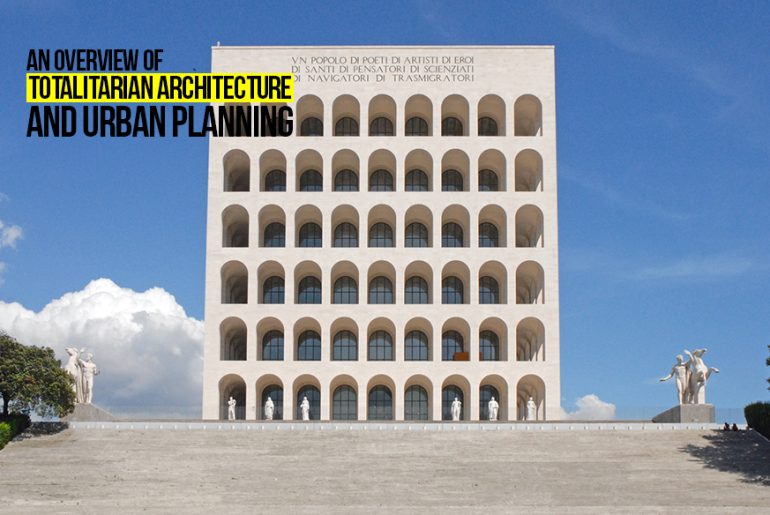
In many respects, architecture is the most evident and palpable reminder of any past time or society. Even thousands of years after empires have crumbled and civilizations have changed, buildings…

At the beginning of the previous epochs, the caves must serve as a primordial stronghold for the dangerous time. Human civilization learned how to utilize nature and build homes over…

With more than three thousand years of history and a significant multi-ethnic influx, the ancient Tunisia culture has been substantially influenced by many cultures, civilizations, and successive dynasties over the…
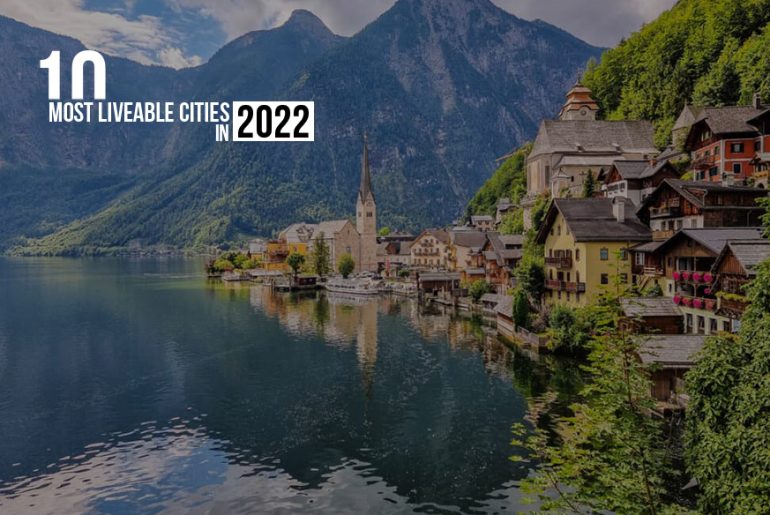
There are several cities that are more liveable than the others. The list includes the most liveable cities of top Western Europe which contribute to more than half of the list.…

Starships in Star Trek, animal-shaped buildings are combining and shape-shifting to form Power Ranger Megazord, virtual reality taking gamers to their game land because the human race just can’t sit…

Human-centric approaches to better design buildings, cities, and surroundings are a 21st-century phenomenon. Concepts of adaptive reuse, interactive public spaces, environment-friendly designs, conservation, urban planning, and policies are new-age coined…
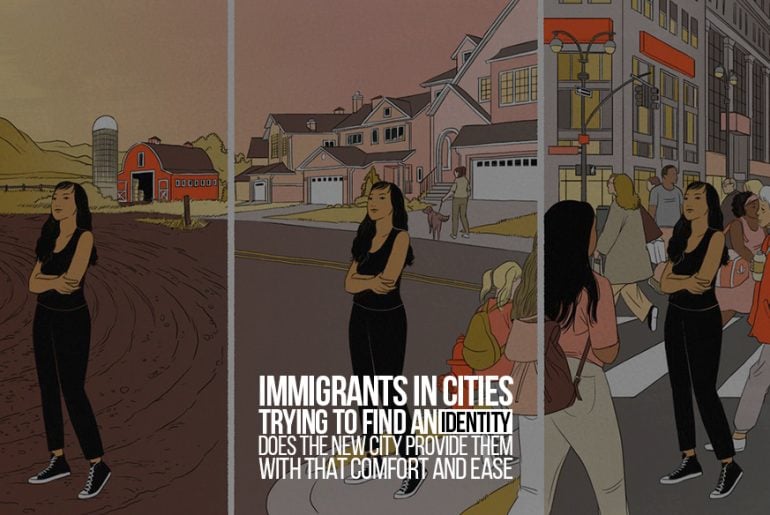
The people who are always just there doing day-to-day milieu such as watering plants, washing cars, sweeping leaves, cleaning roads, and engaging in a wide range of chores go unnoticed. …

Underground cities exist for multiple reasons: defence, habitation, water storage, etc. These are primarily a series of linked subterranean spaces. These might be naturally formed, the reason being an act…