The use, production, and design of furniture have all changed as a result of 3D printing. Technology now allows for more creative designs and customised products. Reducing costs and waste additionally supports sustainability. More people can design their furniture as 3D printing becomes more accessible, which changes how customers interact with their purchases. It increases the accessibility of art for those looking to launch a small business using their creativity. This essay aims to investigate how 3D printing technology has altered furniture design, production, and consumption.
Increasing design freedom and creativity
With 3D printing, designers are no longer constrained by the limitations of conventional manufacturing, and the options for creative expression are essentially endless. Contrary to traditional manufacturing techniques, which frequently call for costly moulds or tooling, 3D printing makes it simple for designers to try out even their most imaginative ideas.
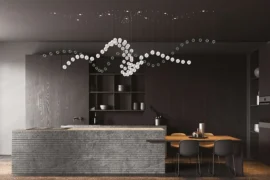
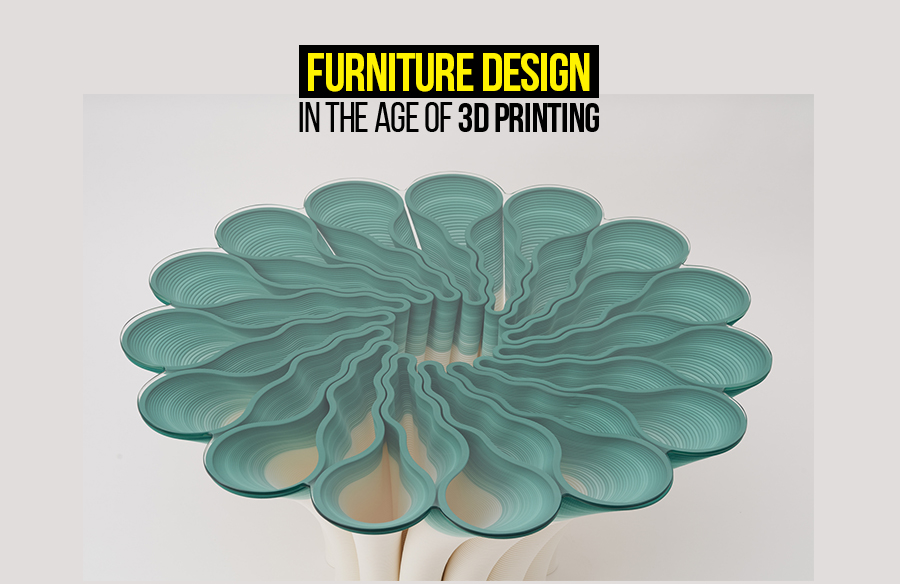
The ability to create intricate and complex geometries that would be difficult or impossible to achieve using traditional techniques is one of the main benefits of 3D printing. Furniture designers now have more creative freedom to experiment with organic shapes, fluid forms, and intricate patterns that were previously impossible to produce. Previously the domain of master craftsmen, intricate and ornate furniture pieces can now be designed digitally and quickly made real through 3D printing.

Change in the design process
The design process has historically required a significant time and financial commitment in the furniture industry. To create a finished product, prototypes must be created, models must be tested, and parts must be revised. Furniture design is made more efficient, simpler, and less expensive thanks to 3D printing. Designers can test their ideas more thoroughly and maximise the useful features in the finished product by using 3D printing to produce lightweight furniture prototypes quickly and cheaply. This creates a lot of opportunities for designers to change their designs as per their needs.
Personalization & Unique Style
Customers had few options with traditional manufacturing techniques when it came to selecting furniture pieces that perfectly suited their individual preferences and needs. However, 3D printing has transformed this area of the market by enabling customers to participate in the design process as co-creators. These technologies enable designers to quickly alter furniture designs, enabling modifications in dimensions, shapes, and materials to suit particular needs. Furniture can now be actively customised by customers to fit their unique interior spaces, aesthetic tastes, and requirements.
For example, furniture can be customized to support the posture and comfort of people with specific ergonomic needs. The colours, textures, and patterns of the furniture can be chosen by customers to complement their existing interior design. Consumers can emotionally connect with the furniture because of the personalised approach to furniture design. Customers become more attached to their furniture when they actively participate in the design process, elevating it from a simple commodity to an expression of their identity and individuality.

Cost-effectiveness
Cost-effectiveness is a significant factor that highlights one of the key importance of 3D printing. Compared to traditional manufacturing techniques, 3D printing equipment and materials may have higher initial setup costs, but the long-term benefits far outweigh these costs.
The ability of 3D printing to create furniture pieces on demand is one of the technology’s most significant cost-saving advantages. Immediate manufacturing is possible with 3D printing, as opposed to mass production, which involves producing large numbers of similar items. As needed, furniture can be made and created, removing the need for large inventories and the associated storage costs. By ensuring that producers only produce what is necessary, the risk of overproduction and waste is diminished. Furthermore, 3D printing optimises the use of materials, resulting in less material waste. Typical manufacturing processes waste a lot of material during the cutting, shaping, and finishing steps.
Challenges and future possibilities
While 3D printing has given the furniture industry new opportunities, it still faces a few obstacles that must be overcome for its widespread use and long-term success. The limited selection of materials available for 3D printing presents one difficulty. Although the variety of materials has grown over time, it is still not as wide as those that are accessible for conventional manufacturing techniques.
The production speed of 3D printing, which can be slower than mass production methods, is a further obstacle. To meet consumer expectations and market demands, it will be crucial to increase printing speed without sacrificing quality as the demand for 3D-printed furniture increases. The prospects for 3D-printed furniture are still promising. The capabilities of 3D printing are continuously being pushed by ongoing research and technological advancements. The furniture industry is positioned to undergo a significant transformation as technology becomes more widely available.

Conclusion
3D printing technology’s design flexibility, adaptability options, and sustainability advantages have brought in a new era of innovation and accessibility in the furniture industry. 3D printing has the potential to further make furniture design and production more accessible as it becomes more widely available and advanced. As consumers embrace a new era of furniture consumption that is in line with their unique tastes and values, the future of 3D-printed furniture promises a blend of innovation, sustainability, and personalised experiences.
Online Sources:
- 3D printing: Opportunities for the furniture industry: IMM Cologne Magazine (no date) 3D printing opportunities | imm cologne magazine | imm cologne. Available at: https://www.imm-cologne.com/magazine-archive/design-and-architecture/3d-moebel/ (Accessed: 23 July 2023).
- Berman, A.N. (2022) How 3D printing is turning the furniture business upside down – architizer journal, Journal. Available at: https://architizer.com/blog/practice/materials/3d-printing-furniture-business/ (Accessed: 23 July 2023).
- Yang, S. and Du, P. (2022) The application of 3D printing technology in Furniture Design, Scientific Programming. Available at: https://www.hindawi.com/journals/sp/2022/1960038/ (Accessed: 23 July 2023).
Image sources:
IMAGE 1 ©Kamel Bitar Primavera by NYXO studio [photograph]
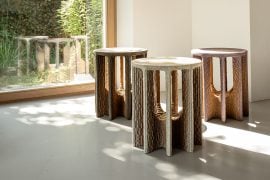
IMAGE 2 ©Oechsler 3D printed upholstery is now within reach. From stools to chairs and armchairs, Oechsler combines printing technology and comfort [photograph]
IMAGE 3 ©Anna Lindblom/Picpeople 3D printing and robots may sound futuristic, but they are already a reality. Here, a 3D printing robot creates a Reform Chair. [Photograph]