“Scandinavian design is timeless because it is simple, beautiful, finely crafted, and made with natural materials that appeal on a fundamentally human level.”
- Mette Aamodt (O’Neill, 2017)
Scandinavian design, an epitome of elegant simplicity and functional beauty, has left an indelible mark on the world of aesthetics since its rise in the early 20th century. Originating from the Nordic countries, this design philosophy perfectly blends practicality and minimalism, using ‘less is more’ as its mantra. Scandinavian Design emphasizes form and function through its clean lines and uncluttered spaces. Since Scandinavian countries experience long, dark winters, maximizing natural light is a crucial design feature. The material palette includes light-coloured woods like ash, beech, or pine, contrasted with wool and other natural materials in an attempt to celebrate the beauty of raw and unaltered materials. In today’s world, where design trends continue to change dynamically, examining how Scandinavian Design maintains its influential nature is essential.

An Enduring Legacy
The roots of Scandinavian Design can be traced back to the functionalist movement from the 1920-1930s. Drawing inspiration from the Bauhaus movement and modernist ideas, this design philosophy’s heart lies in its simplicity and minimalism. Its functional yet aesthetically sleek designs embody the principle of ‘form follows function’. Iconic furniture pieces like Arne Jacobsen’s Egg Chair and Hans Wegner’s Wishbone Chair remain staples in design collections. They are neutral enough to complement period architecture while also easily suiting a modern, minimalist look. This is a testament to the relevance of Scandinavian design decades after its creation. Brands like IKEA have ensured its presence seeps into our daily lives. Whether in space-efficient dorm furniture for students, multipurpose household furniture for families, or office furniture for large multinationals, Scandinavian Design has become synonymous with comfort, aesthetic design, and minimalism. This is especially crucial in today’s fast-paced, space-conscious world.

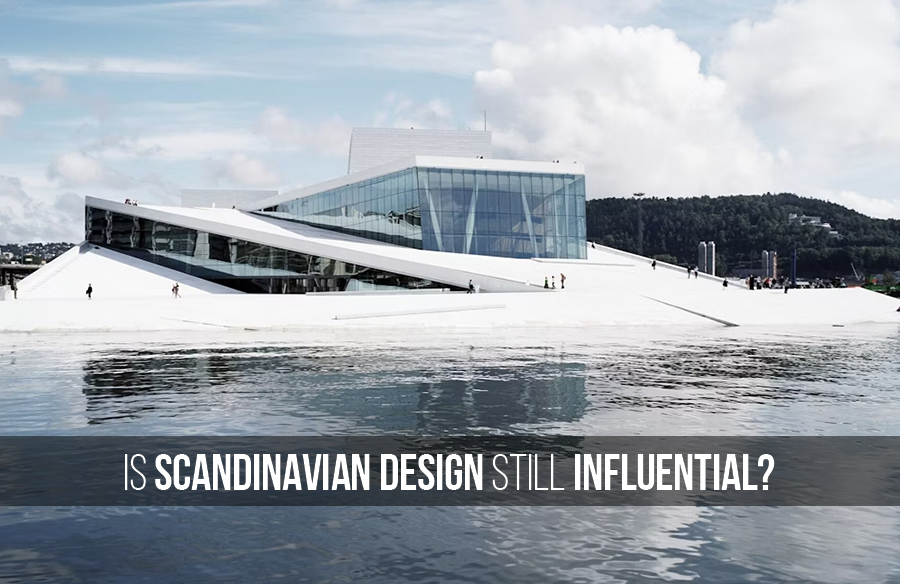
The priority placed by Scandinavian Designers on eco-friendly material and craftsmanship ensures that designs abide by sustainability principles. The rejection of any unnecessary ornamentation removes excess material being used, and bright, naturally lit interiors combined with light, neutral colour tones prioritise that maximum daylight be integrated into the design. The architecture strongly emphasizes nature, similar to what is seen in Japanese architecture. Intentionally oriented large windows blur the boundary between inside and outside, inviting the outdoors in. Detail is incorporated intentionally, and every element serves a particular purpose, with no room for unnecessary extras. With open floor plans and interiors comprising natural elements, Scandinavian architecture uses minimal embellishments and more textures, thus emphasizing quality over quantity.

Contemporary Relevance
Despite the origins of the design movement rooted in materials like warm woods, the 21st century sees a seamless integration of Scandinavian design principles with new materials such as plastics and fiberglass. Keeping forms closely tied to the original clean-lined philosophy, Nordic designers are beginning to dabble in bold graphics and colours in keeping with the current design trends. Scandinavian philosophies such as ‘Hygge’ (cozy), and ‘Lagom’ (balance) have gained global traction, reinforcing the design’s connection to well-being. As people increasingly strive to turn their homes into retreats from everyday stress, Scandinavian Design assists by keeping wellness at the forefront. The clutter-free, simple look creates calm, focused spaces that are inviting, elegant, accessible, and warm. The open-plan and flexible spaces ensure that spaces can accommodate a variety of activities, which furthers the practicality of the design.

Challenges
Scandinavian Design, despite its popularity, still faces a few challenges today. In a world that values individuality and self-expression, the ‘simple’ and ‘plain’ Scandinavian design philosophy faces competition from bold, eclectic styles like maximalism, dark academia, and urban eclectic styles that favor individuality over minimalism. Rejecting the pared-down simplicity of minimalism in favor of dynamic and personal aesthetics, these styles draw inspiration from a range of cultural and artistic influences. Additionally, although brands like IKEA, HAY, and Normann Copenhagen have helped popularize the design and the widespread adoption of its décor, some factions argue that the design now risks losing its unique appeal. For example, the ubiquity of IKEA has sometimes led to critiques of a perceived lack of innovation in the mass market. Design is extremely subjective, and as many consumers are moving towards designs that help them reflect their unique identities, adhering to the uniform simplicity of Scandinavian Designs could limit its appeal to these audiences.

Scandinavian Design has proven its relevance through adaptability and alignment with modern values of sustainability and wellness. It is a timeless aesthetic that transcends trends by prioritising democratic, affordable, simple, and sleek furnishings and interiors. While it faces challenges from competing styles and shifting preferences, it has stood the test of time by being rooted in its core values of simplicity, functionality, and sustainability. As we navigate new design paradigms, the enduring legacy of Scandinavian Design reminds us of the power of thoughtful, human-centered design.
References:
Aritco. (n.d.). The Roots of Sustainable Scandinavian Design and What the Future Holds. [online] Available at: https://www.aritco.com/blog/the-roots-of-sustainable-scandinavian-design-and-what-the-future-holds/.
BluEntCAD (2024). Scandinavian Architecture & Sustainability for the Green Future. [online] BluEnt Engineering. Available at: https://www.bluentcad.com/blog/sustainability-and-scandinavian-architecture [Accessed 19 Nov. 2024].
Davies, R. (2023). Scandinavian Interior Design: Everything You Need to Know About This Winter-Friendly and Nature-Inspired Style. [online] Architectural Digest. Available at: https://www.architecturaldigest.com/story/scandinavian-interior-design-style-explainer.
O’Neill, M. (2017). How Scandinavian Modern Design Took the World by Storm. [online] Architectural Digest. Available at: https://www.architecturaldigest.com/story/how-scandinavian-modern-design-took-the-world-by-storm.