Breathing Pockets in Concrete Cities
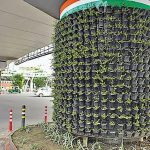
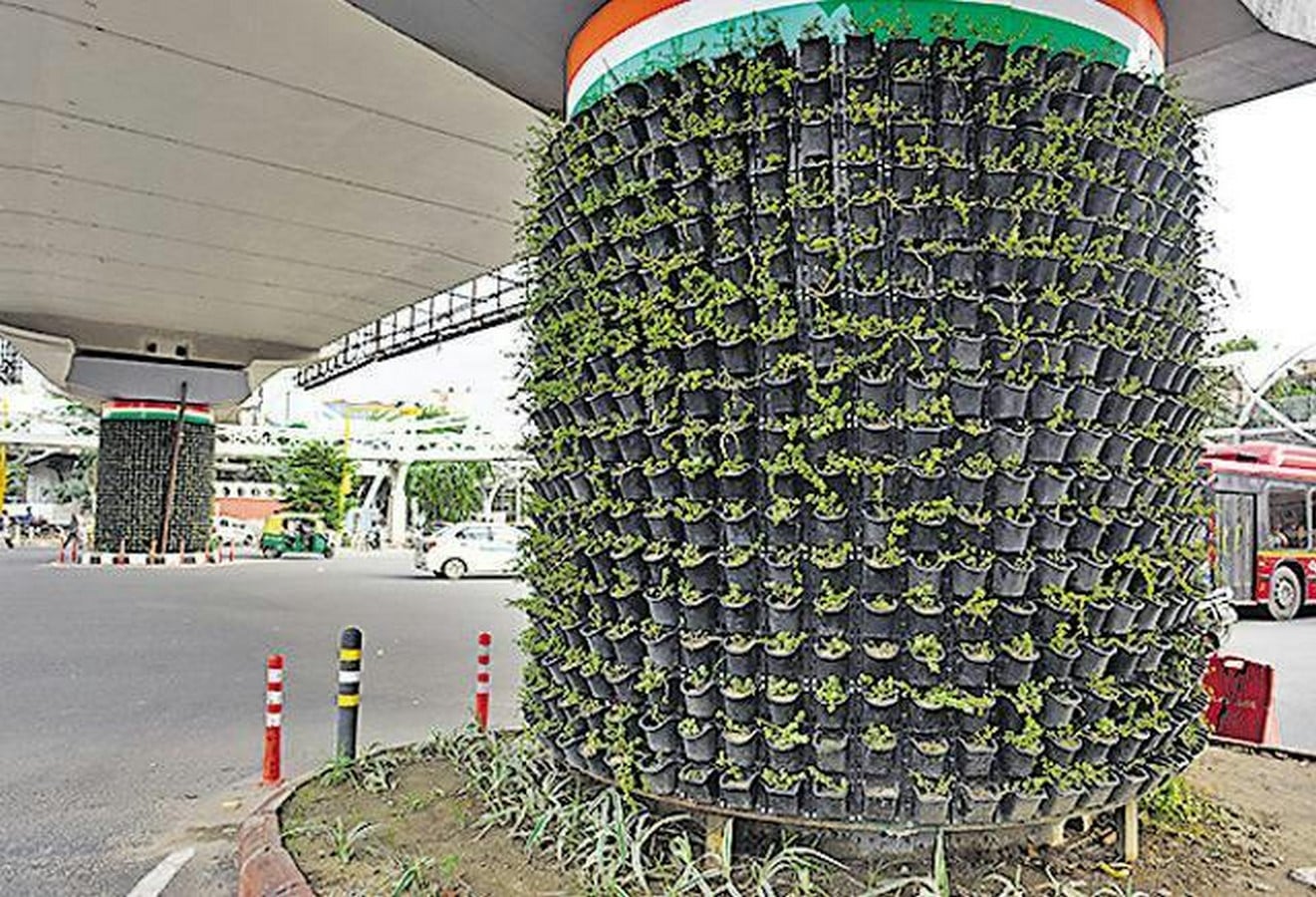
During midsummer, Delhi often resembles a furnace; the concrete pavements radiate heat, traffic horns resonate continuously, and the air is laden with dust. Nevertheless, at a busy street corner, an unexpected phenomenon emerges: a vertical garden enhances a bus stop, a cluster of trees offers shade at a chai stall, and a touch of greenery disrupts the pervasive monotony. In this brief moment, the city appears to take a collective breath. These subtle interventions, which may be easily overlooked within the extensive urban landscape, possess the capacity to revitalize entire neighborhoods. This illustrates the concept of urban acupuncture in green architecture—deliberate and targeted insertions of nature that provide immediate relief and promote enduring change.
What is Urban Acupuncture in Green Architecture?
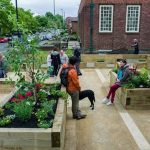
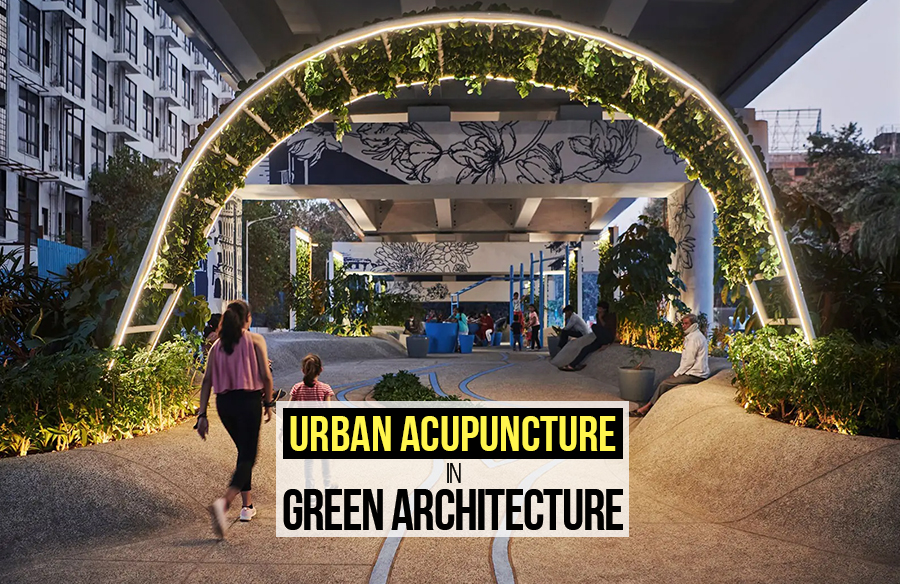
Urban acupuncture in the realm of green architecture draws its core philosophy from the principles of traditional acupuncture, where the strategic placement of a needle can lead to a holistic restoration of balance within the body. Similarly, in the context of urban environments, targeted green interventions—such as shaded walkways, pocket parks, urban gardens, and living walls—serve to significantly enhance the vibrancy and livability of cities.
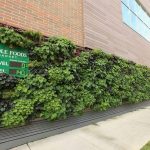
These interventions are typically small in scale, making them quick to implement and relatively cost-effective, allowing urban planners and community leaders to introduce them without extensive investment or lengthy planning processes. Despite their modest size, these initiatives have the potential to create profound ripple effects throughout the urban ecosystem. For instance, shaded walkways can reduce heat in city hotspots, pocket parks can provide essential green space that fosters biodiversity, and living walls can improve air quality while adding aesthetic appeal to buildings.
Moreover, urban acupuncture initiatives play a crucial role in promoting community engagement. They serve as catalysts for local interactions, bringing residents together to participate in the creation and maintenance of these spaces. Such community-driven involvement not only strengthens social ties but also nurtures a shared sense of ownership and responsibility toward the local environment.
In the face of an escalating climate emergency, this approach equips cities with the agility to swiftly test and implement innovative solutions tailored to their unique contexts. By starting with smaller pilot projects, urban leaders can assess the effectiveness of these green interventions and iterate on them based on community feedback and environmental impact before considering larger-scale implementation. This adaptability is vital for fostering resilience in urban areas as they confront the complex challenges posed by climate change and urbanization.
Examples of Urban Acupuncture in Indian Cities
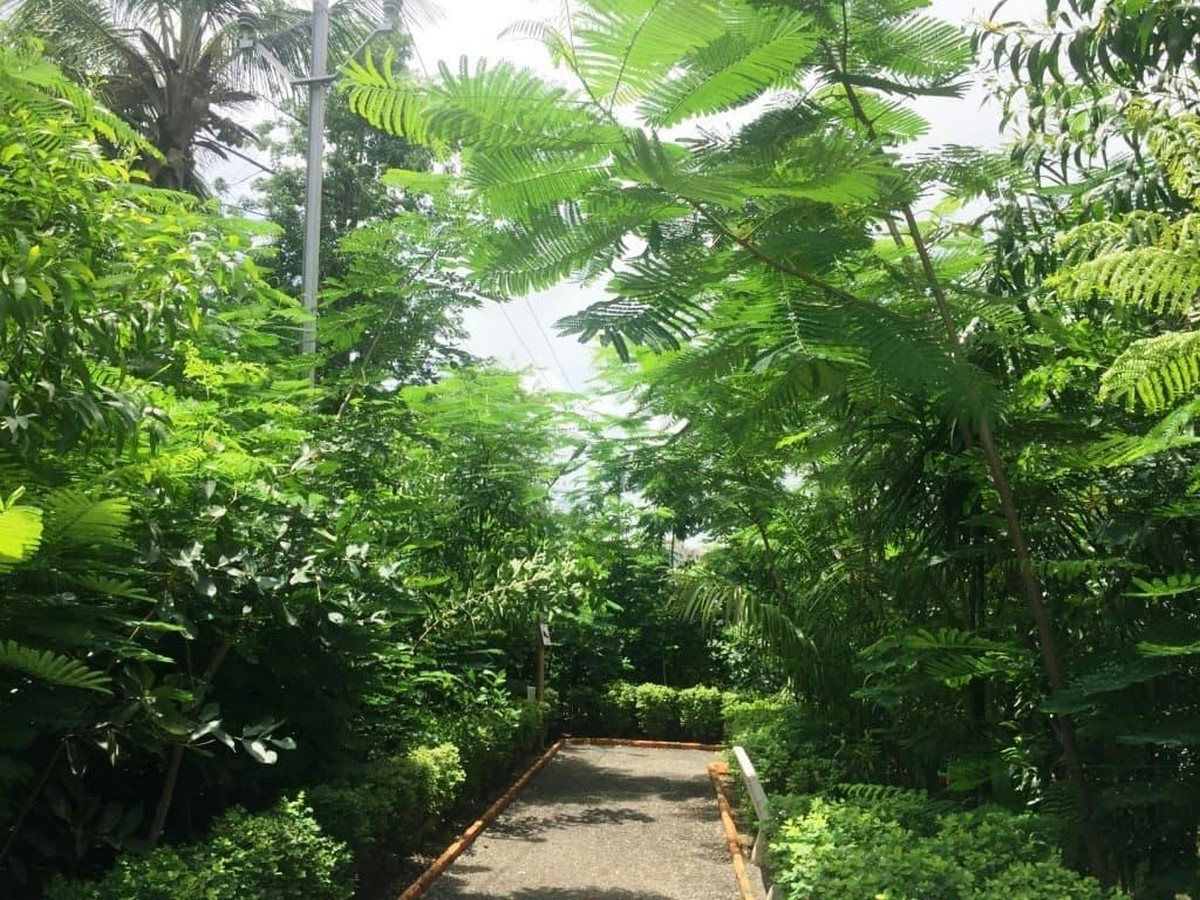
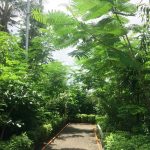
Bengaluru has taken a heartwarming step forward with its innovative Miyawaki forests, a transformative initiative that revives neglected parking lots and barren patches of land within the city. These meticulously grown, densely packed miniature forests are carefully curated to include a variety of native tree species, which not only serve to cool their environment but also improve air quality. As these green spaces flourish, they beckon back the enchanting melodies of birdsong, filling the urban landscape with a sense of tranquility and connection to nature, providing a much-needed respite from fast-paced city life.
In Pune, committed community members are engaging in a remarkable endeavor by converting what were once lifeless roofs and terraces into thriving mini-farms. By embracing the principles of urban agriculture, they cultivate a diverse range of vegetables and herbs, effectively utilizing the limited space available in a city known for its concrete skyline. This initiative not only addresses food security but also fosters a sense of belonging and togetherness among residents, encouraging social interaction and the sharing of resources, all while promoting sustainable living practices that can inspire others.
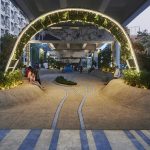
Meanwhile, Delhi is witnessing an inspiring transformation as shaded plazas beneath flyovers evolve into inviting community hubs. These once-overlooked areas are being carefully designed to provide safe, cool, and inclusive spaces where people from all walks of life can come together. With seating, greenery, and art installations, these hubs encourage interaction and collaboration, creating environments where community bonds can flourish. This initiative is especially significant in a city often characterized by its frenetic pace and crowded streets, demonstrating that revitalization efforts can occur even in the most unconventional spaces.
Each of these thoughtful initiatives acts like urban acupuncture, making small yet targeted interventions that lead to significant social and ecological benefits. By nurturing green spaces, promoting local food production, and creating accessible community gathering places, these cities exemplify hope and resilience in urban development. Through these efforts, we witness a revitalization of both nature and community, proving that even the smallest actions can lead to meaningful and lasting change in the urban fabric.
The Ripple Effect of Small Green Interventions
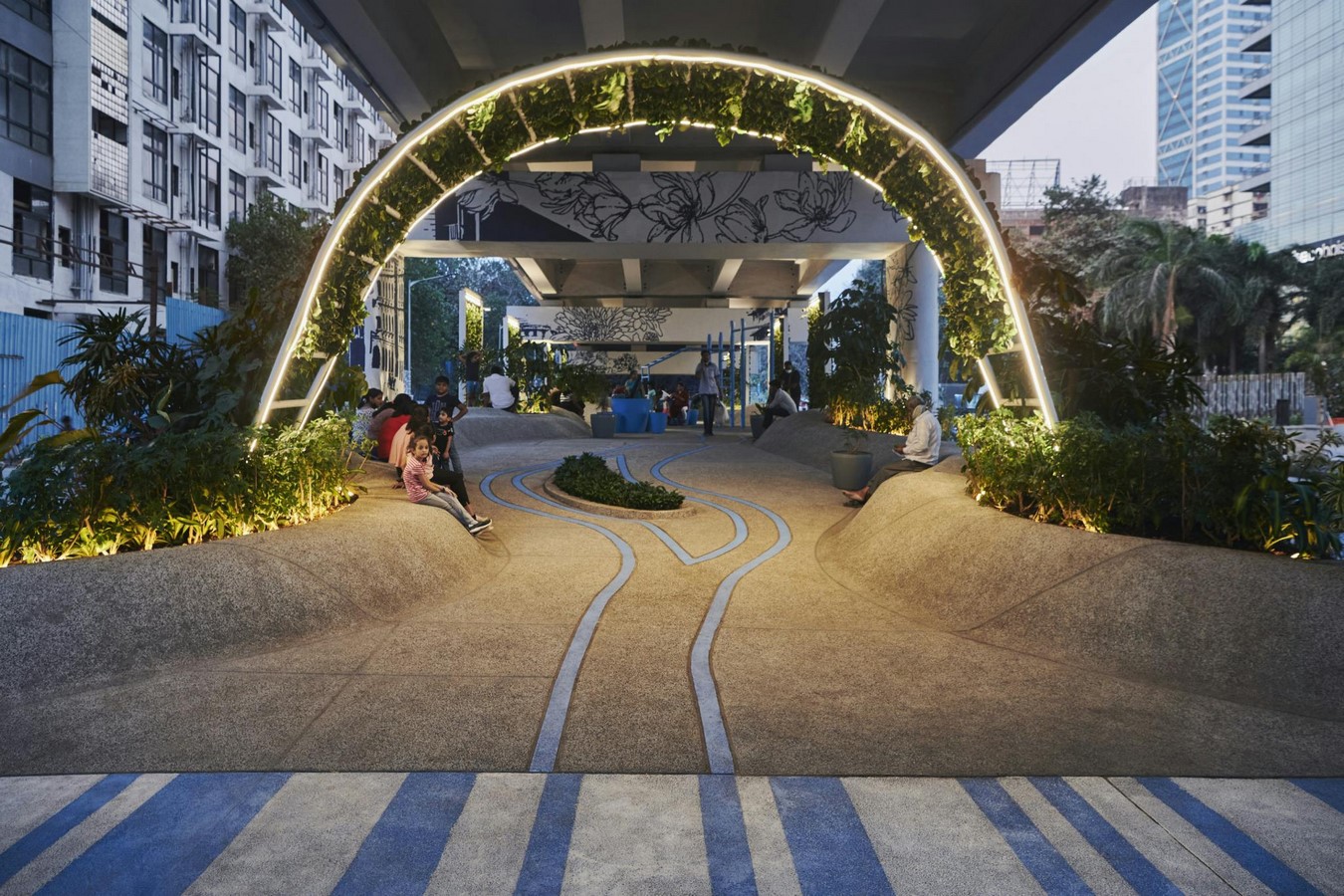
Urban acupuncture represents a pivotal strategy in green architecture, particularly due to its capacity to generate cascading ecological and social benefits. For instance, the implementation of a shaded walkway can lead to localized temperature reductions, enhance pedestrian connectivity, and subsequently bolster the viability of adjacent businesses. Similarly, the establishment of a pocket park serves not only as a microclimate modifier but also functions as a vital social hub for both elderly residents and children, fostering community interaction.
These initiatives challenge the prevailing notion that only large-scale interventions can effectively rejuvenate urban environments. Instead, they advocate for the strategic placement of “green needles” that possess the potential to facilitate comprehensive revitalization within neighborhoods. Although these interventions are inherently incremental in nature, their cumulative effects contribute to the development of healthier, more resilient urban ecosystems.
Critically, rather than displacing established structures or requiring extensive alterations, urban acupuncture integrates seamlessly into underutilized and neglected areas, optimizing their potential impact while minimizing disruption. This approach underscores a paradigm shift in urban planning towards sustainable and community-centric development.
Urban Acupuncture vs. Mega Projects
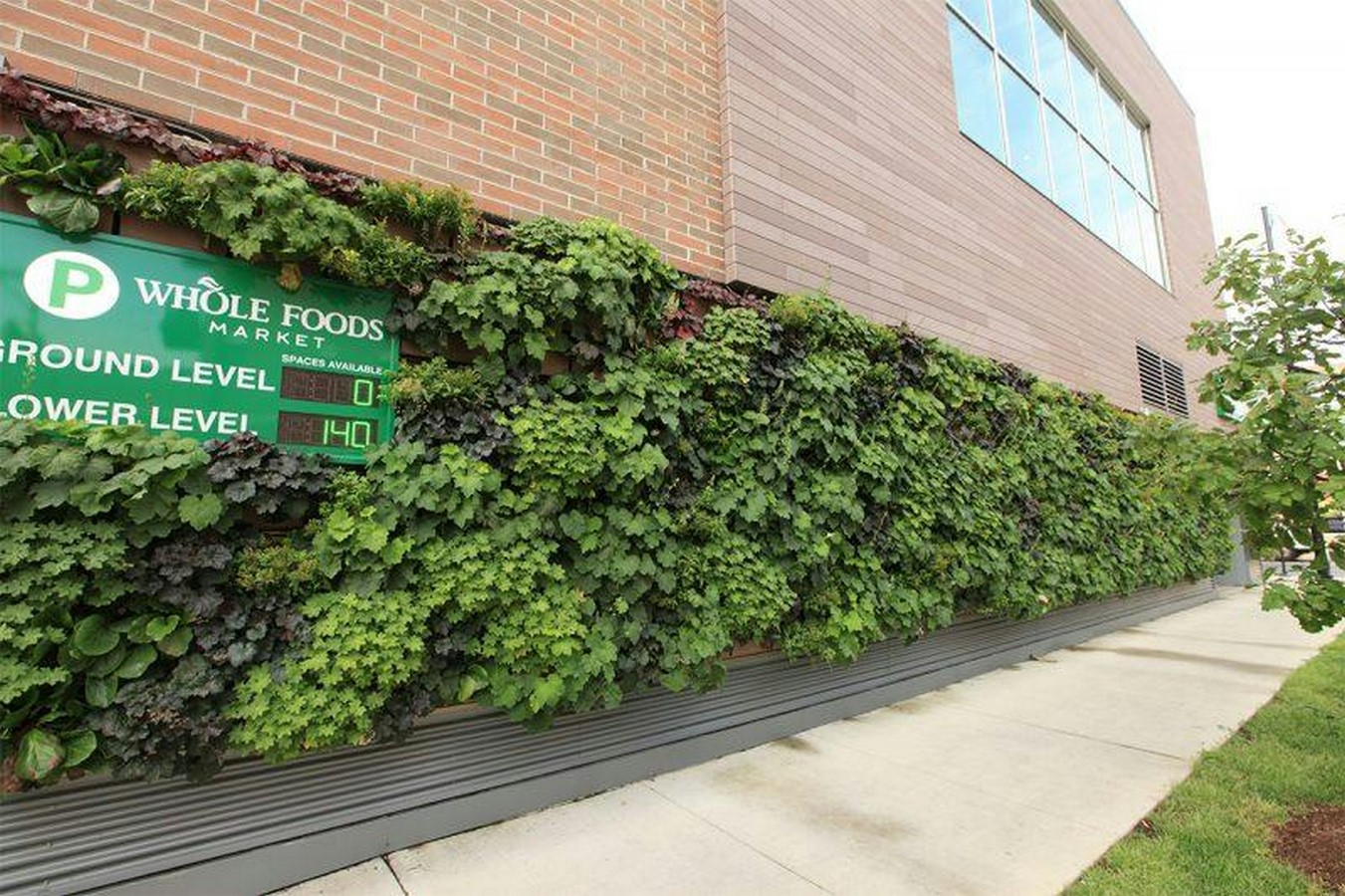
Urban acupuncture in green architecture offers a nimble and quick approach to enhancing urban environments, contrasting with large-scale projects that often face extensive bureaucratic hurdles. For instance, implementing a vertical garden can be accomplished in a matter of weeks, whereas developing a large urban park may require years of planning and significant resources. These smaller-scale interventions serve as effective “needles” that provide immediate relief to urban stressors while fitting into broader urban development strategies. Additionally, they encourage inclusivity by empowering local communities to engage with, adapt, and maintain these green initiatives. This approach demonstrates that urban transformation does not always necessitate massive financial investments or lengthy timelines; sometimes, a strategically placed pocket of greenery can make a significant impact.
Healing Cities, One Needle at a Time
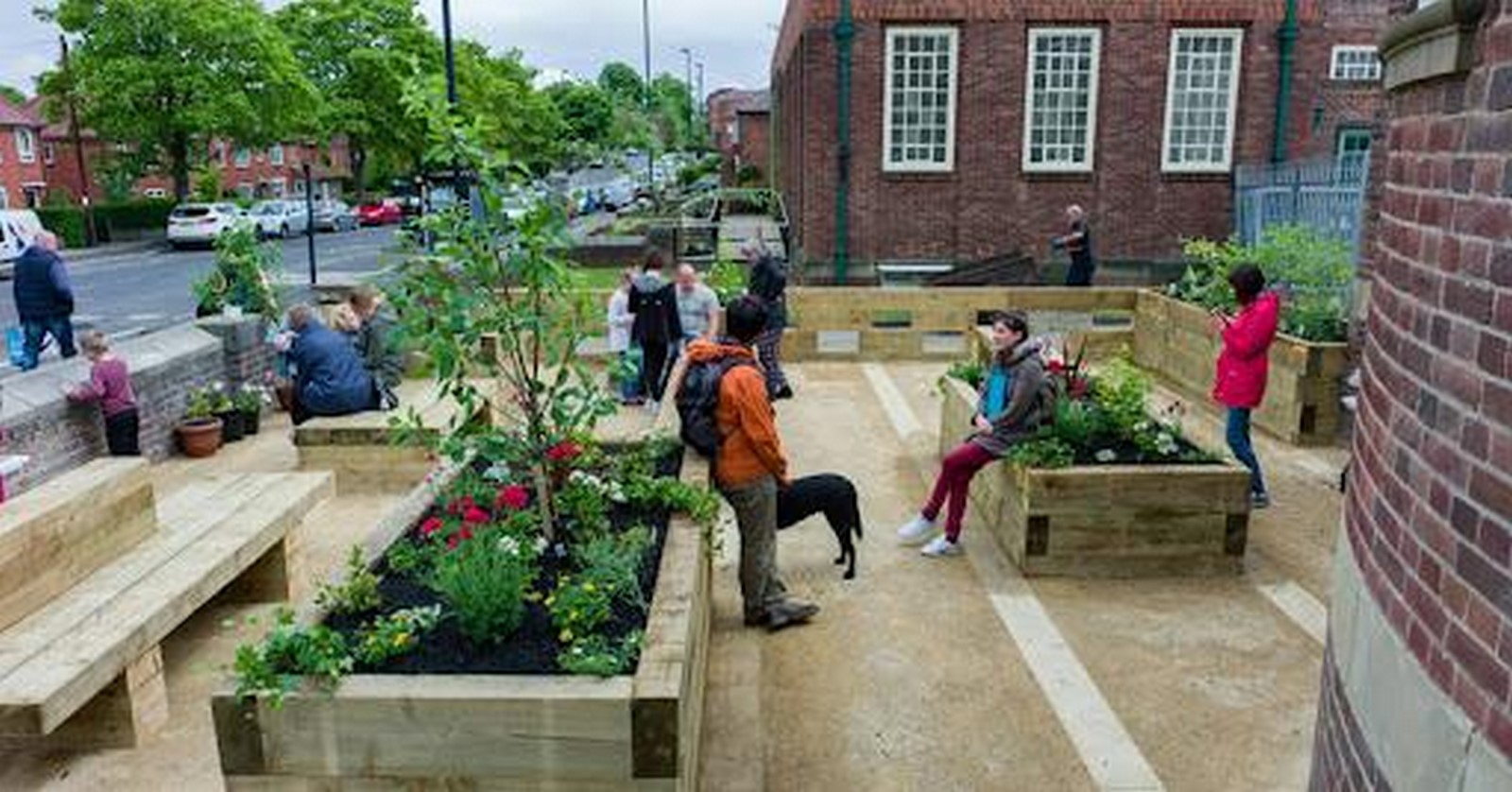
The future of urban resilience is brimming with possibilities as we weave nature back into the fabric of our daily lives through small yet transformative measures. Urban acupuncture in green architecture reveals the profound truth that cities can rejuvenate not through sprawling, centralized projects, but through thoughtful, scattered interventions that restore harmony where it is most required. Every lush green wall, vibrant micro-forest, and inviting shaded plaza represents a crucial step toward creating healthier, cooler, and more livable urban environments. As the tide of global urbanization rises relentlessly, the practice of inserting these “green needles” evolves into not only an inspiring architectural strategy but also an essential social imperative.