Woodcrafts of Rajasthan – Handicrafts of Rajasthan
In the realm of Rajasthan’s artisanal mastery, Woodcrafts emerge as an exquisite expression of skill and tradition. This article explores the rich heritage of Woodcrafts in Rajasthan, unravelling the historical roots, intricate crafting techniques, and the profound impact of wooden artistry on the architectural landscape.
Historical Roots: Carving through Centuries
1. Ancient Woodworking Heritage
Woodcrafts in Rajasthan have ancient origins, deeply rooted in the region’s woodworking heritage. The art of carving and crafting wood has been practiced for centuries, with each era contributing to the evolution of this timeless tradition.
2. Architectural Integration in Temples and Palaces
Wooden craftsmanship found a significant place in the architectural marvels of Rajasthan. Temples adorned with intricately carved wooden doors, palaces with ornate wooden ceilings, and havelis featuring exquisite wooden jharokhas showcase the seamless integration of Woodcrafts into the built environment.
3. Patronage under Rajput Rule
During the rule of the Rajput dynasties, Woodcrafts flourished under royal patronage. Skilled artisans were commissioned to create masterpieces that adorned the interiors and exteriors of palaces. The intricate wooden lattice work, known as Jali, became synonymous with the opulence of Rajput architecture.
Crafting Process: From Timber to Artistry
1. Selection of Timber: Choosing the Essence of Creation
Importance of Wood Selection
The crafting process begins with the selection of the right timber. Artisans, guided by their knowledge and experience, choose woods like Sheesham (Indian Rosewood), Mango, and Teak for their durability, grain patterns, and workability. Each type of wood brings its unique characteristics to the final piece.
2. Hand-Carving Techniques: Artisan’s Precision
The Art of Hand-Carving
Woodcrafts in Rajasthan are characterized by the meticulous art of hand-carving. Artisans use traditional tools like chisels and mallets to sculpt intricate designs, patterns, and motifs onto the wood. This manual process, passed down through generations, gives each piece a unique touch and reflects the artisan’s mastery.
3. Inlay and Marquetry: Elevating Wood to Art
Enhancing Wooden Surfaces
Inlay work involves embedding materials like brass, bone, or colored woods into carved recesses on the wooden surface. This intricate technique, known as Marquetry, transforms wooden articles into vibrant canvases. The juxtaposition of different materials adds depth and visual appeal to the crafted pieces.
Design Elements: A Symphony in Wood*
1. Jali Work: The Ethereal Wooden Lattice
Intricate Wooden Filigree
Jali work, or wooden lattice screens, is a hallmark of Rajasthani Woodcrafts. The delicate filigree patterns in wooden Jalis allow the play of light and shadow, creating a mesmerizing effect. These intricate screens are often used in windows, doors, and partitions, adding a touch of sophistication to architectural spaces.
2. Wooden Furniture: Functional Artistry
Crafting Elegance for Everyday Living
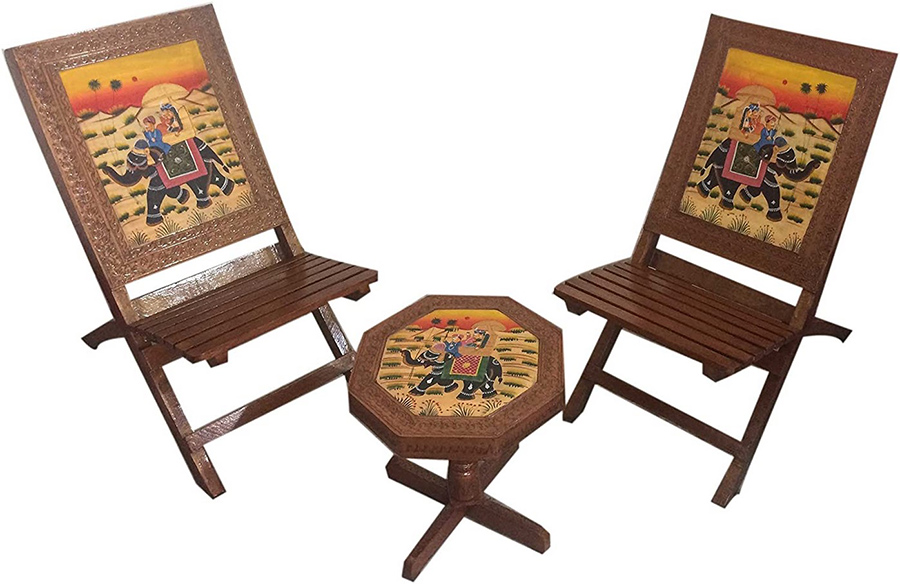
Rajasthani Woodcrafts extend to the creation of wooden furniture that seamlessly blends functionality with artistry. From elaborately carved wooden chairs and tables to intricately designed cabinets, each piece reflects the region’s cultural motifs and traditional craftsmanship.
3. Wooden Temples and Spiritual Artifacts
Sacred Wooden Sanctuaries
Wooden temples, intricately carved with scenes from mythology and adorned with delicate motifs, are revered as spiritual sanctuaries. These wooden artifacts serve not only as places of worship but also as embodiments of artistic expression, with every detail telling a story.
Applications in Architecture: Wood’s Enduring Presence*
1. Wooden Doors and Entranceways
The Grand Welcome of Carved Portals
Wooden doors in Rajasthan are veritable works of art. Adorned with intricate carvings, these doors serve as grand entrances to homes, temples, and palaces. The craftsmanship on these doors reflects the cultural identity and artistic richness of the region.
2. Wooden Ceilings and Jharokhas
Exquisite Wooden Elegance Overhead
Wooden ceilings, adorned with geometric patterns and floral motifs, contribute to the grandeur of Rajasthan’s palaces and havelis. Jharokhas, intricately carved wooden balconies, offer a unique blend of aesthetic appeal and architectural functionality.
3. Architectural Embellishments in Havelis
Wooden Artistry in Residential Palaces
Havelis, the traditional mansions of Rajasthan, feature wooden embellishments such as brackets, eaves, and balustrades. These architectural elements showcase the versatility of Woodcrafts in both structural and ornamental capacities.
Challenges and Conservation: Nurturing an Artistic Legacy
1. Conservation of Heritage Woodcrafts
Preserving Artistic Treasures
The conservation of heritage Woodcrafts is a pressing concern. Efforts are being made to preserve and restore wooden artifacts in museums, palaces, and temples. Conservation specialists employ techniques to protect wooden pieces from environmental factors and ensure their longevity.
2. Sustainable Wood Sourcing
Balancing Tradition with Environmental Responsibility
The demand for woodcrafts raises questions about sustainable wood sourcing. Balancing the tradition of using hardwoods with the need for environmental responsibility is crucial. Initiatives promoting sustainable forestry and ethical wood harvesting are essential to the long-term viability of Woodcrafts.
3. Artisan Empowerment and Skill Preservation
Empowering Craftsmen for Generations to Come
Preserving the skills of Woodcraft artisans is fundamental to the survival of this ancient tradition. Skill development programs, apprenticeships, and initiatives that empower craftsmen economically contribute to the sustainability of Woodcrafts in Rajasthan.
Conclusion: Crafting Tomorrow’s Heritage Today
Rajasthan’s Woodcrafts stand as a testament to the enduring artistry born from a deep connection to tradition and craftsmanship. As these timeless wooden creations continue to embellish architectural wonders and everyday spaces, they carve a legacy that resonates through the ages, shaping the artistic identity of the region. In the intricate patterns of Jali work, the functional elegance of wooden furniture, and the sacred sanctuaries crafted from wood, one finds not just artifacts but living echoes of a cultural heritage that persists and evolves, continuing to inspire generations to come.