Marble Works of Rajasthan – Handicrafts of Rajasthan
In the heart of Rajasthan’s artistic landscape, Marble Works stands as a testament to the ageless beauty and craftsmanship that characterize the region’s handicrafts. This article delves into the intricacies of Marble Works, exploring its historical significance, the meticulous crafting process, and the profound impact it has had on architecture and design in Rajasthan.
Historical Tapestry: Unveiling the Roots of Marble Artistry
1. The Marble Heritage of Rajasthan
Marble, revered for its purity and luminosity, has been an integral part of Rajasthan’s architectural legacy. The roots of Marble Works in the region can be traced back to the Mughal era when skilled artisans were commissioned to adorn palaces and forts with the ethereal beauty of marble.
2. Mughal Patronage and Artistic Flourishing
Under Mughal patronage, Rajasthan became a hub of marble craftsmanship. The likes of the Taj Mahal, a magnum opus in marble, set the stage for the artisans of Rajasthan to showcase their prowess. The intricate marble inlays and delicate carvings became synonymous with the grandeur of Mughal architecture.
3. Evolution in Rajput Architecture
With the decline of the Mughal empire, the marble tradition in Rajasthan continued to evolve under Rajput rulers. The artisans adapted their skills to the Rajput aesthetic, creating exquisite sculptures, intricate jali work, and ornate marble structures that adorned palaces, havelis, and temples.
Crafting Process: Sculpting Marvels from Stone
1. Selection of Marble Blocks: Nature’s Canvas Unveiled
The Importance of Marble Selection
Marble Works commence with the meticulous selection of marble blocks. Rajasthan boasts an abundance of marble quarries, each with its unique characteristics. The artisans, guided by their experience, choose the appropriate type of marble based on the intended application, be it carving, inlay work, or sculpting.
2. Traditional Carving Techniques: An Artisan’s Precision
Handcrafted Marvels in Stone
Artisans employ traditional carving techniques to sculpt intricate patterns, delicate reliefs, and life-like sculptures from marble. The craftsmanship is often a labor-intensive process that requires exceptional skill and precision. These artisans, trained in the age-old techniques passed down through generations, bring life to the marble through their chisels and mallets.
3. Inlay Work: Merging Colors in Stone
Precision in Detailing
Inlay work involves the art of embedding semi-precious stones, such as lapis lazuli, malachite, and mother-of-pearl, into the marble surface. The artisans carve out precise patterns and fill them with meticulously cut and shaped stones, creating mesmerizing designs. The seamless blending of colors in the pristine white marble is a hallmark of this intricate technique.
Design Elements: A Symphony of Patterns and Motifs
1. Floral Motifs and Geometric Patterns
Harmony in Nature’s Bounty and Symmetry
Floral motifs, inspired by the rich flora of Rajasthan, find expression in Marble Works. Roses, lotuses, and vines intricately carved into the marble surface create a visual symphony of nature. Geometric patterns, synonymous with Islamic art, add a touch of symmetry and precision to the designs.
2. Jali Work: Filigree in Stone
Ethereal Screens Carved in Marble
Jali work, or lattice stone screens, is a distinctive feature of Marble Works in Rajasthan. The delicate filigree patterns in the marble allow the play of light and shadow, creating a mesmerizing effect. Jali windows, screens, and railings showcase the artisan’s mastery in transforming solid marble into ethereal structures.
3. Sculptures and Figurines: Breathing Life into Stone
From Blocks to Lifelike Forms
Marble sculptures and figurines depict deities, mythological characters, and everyday life with breathtaking realism. The translucency of marble lends a lifelike quality to these creations, capturing expressions, textures, and emotions with exceptional detail. These sculptures often find a home in temples, palaces, and private collections.
Applications in Architecture: Marble’s Immortal Presence
1. Palatial Grandeur: Marble in Royal Residences
Adorning Palaces with Opulence
Marble has been an integral part of Rajasthan’s royal residences, adding opulence and grandeur to palaces and forts. The intricate marble carvings, inlay work, and jali screens transform these structures into architectural masterpieces, with the City Palace in Jaipur and Udaipur’s Lake Palace being prime examples.
2. Temples and Spiritual Sanctuaries
Sacred Echoes in Stone
Marble Works play a pivotal role in the architecture of Rajasthan’s temples. Elaborate marble carvings, pillars, and domes adorned with intricate motifs create a sacred ambiance. The Dilwara Temples in Mount Abu stand as an exemplar of the celestial beauty that marble brings to spiritual sanctuaries.
3. Modern Applications: Contemporary Architectural Marvels
Marble in Modern Design
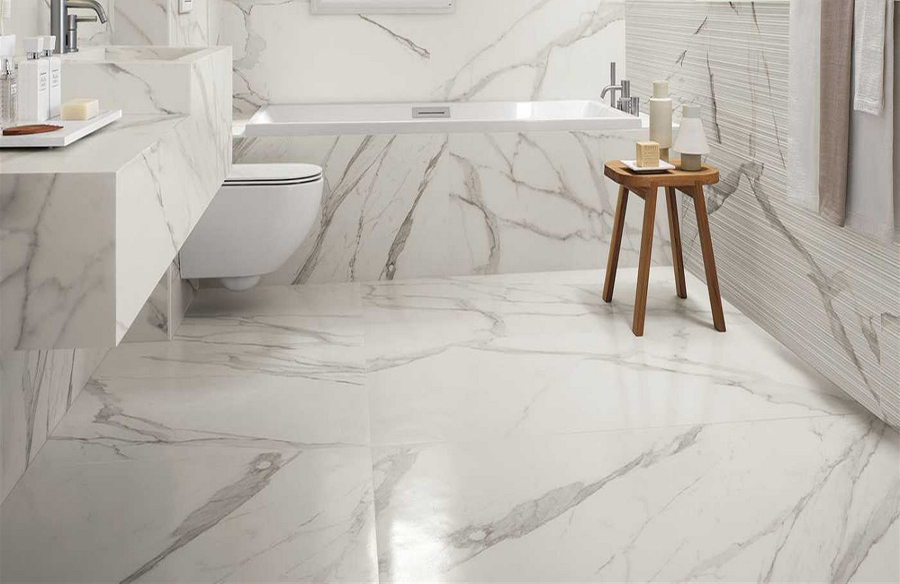
Marble’s timeless elegance has transcended centuries, finding its way into contemporary architectural designs. Modern structures, be it hotels, museums, or public spaces, often incorporate Marble Works to evoke a sense of sophistication and luxury.
Challenges and Conservation: Preserving an Artistic Heritage
1. Environmental Concerns in Marble Quarrying
Balancing Demand and Environmental Impact
The demand for marble has led to concerns about sustainable quarrying practices. The environmental impact of extraction and processing raises challenges for the industry. Efforts are underway to promote responsible quarrying and minimize the ecological footprint of marble extraction.
2. Artisan Empowerment and Skill Preservation
Preserving Heritage in a Changing World
The age-old techniques of Marble Works are facing challenges in a rapidly changing world. Efforts are being made to empower artisans through skill development and provide them with the tools to adapt to modern market demands while preserving the authenticity of the craft.