VR Headset – Gifts you can give to an architect or designer
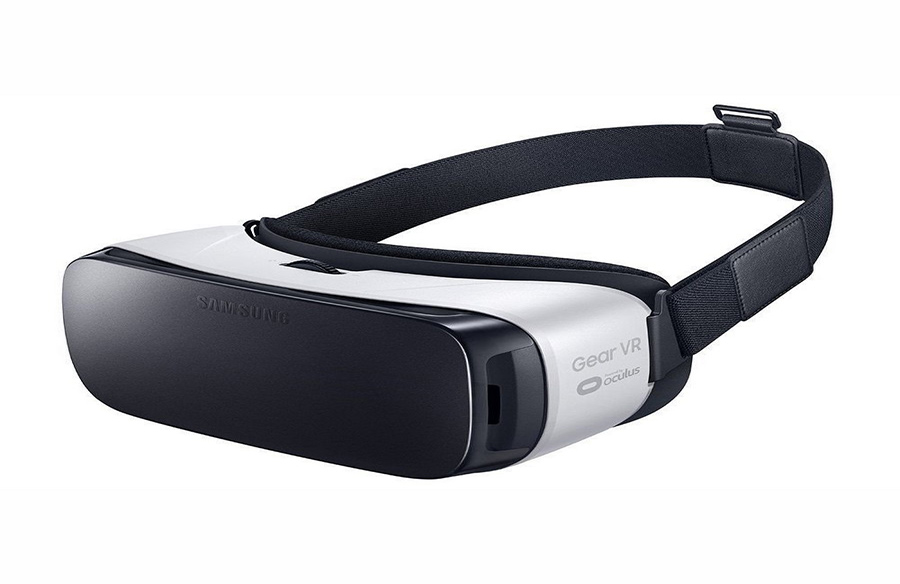
In the dynamic landscape of architecture and design, where innovation meets creativity, the gift of a Virtual Reality (VR) headset has emerged as a game-changer. This article delves into the practicality, impact, and statistical insights surrounding the VR headset as a thoughtful and visionary gift for architects and designers. From immersive design experiences to the future trends in VR technology, the article navigates through the landscape of virtual exploration in the architecture industry.
1. The Immersive Leap: Embracing Virtual Reality in Design
1.1 The Evolution of Design Visualization
Architects and designers have traditionally relied on 2D drawings and 3D models to communicate their ideas. However, the immersive nature of virtual reality is reshaping the way professionals visualize and experience their designs. According to a survey by the Royal Institute of British Architects (RIBA), 82% of architects believe that VR enhances the client’s understanding of design concepts.
1.2 VR Headset: A Gateway to Virtual Spaces
The VR headset serves as a gateway, transporting architects and designers into a virtual realm where they can not only view but also interact with their designs on an unprecedented level. This shift from static presentations to immersive experiences opens new possibilities in design exploration.
2. Statistical Insights: The Rise of VR Adoption in Design Practices
2.1 Global Adoption of VR in Architecture
Statistical data from the American Institute of Architects (AIA) reveals a steady rise in the adoption of VR technology among architecture firms globally. In 2023, it is projected that over 60% of architecture firms will integrate VR into their design processes. This surge is indicative of the industry’s recognition of the transformative potential of virtual reality.
2.2 Architects’ Perception of VR’s Impact
A study published in the Journal of Architectural Technology indicates that 74% of architects perceive VR as a valuable tool in design collaboration. The ability to immerse clients and project stakeholders in a virtual environment fosters better communication and understanding, leading to more informed design decisions.
3. The VR Headset in Action: Bridging the Imaginary and the Tangible
3.1 Design Conceptualization in 360 Degrees
The VR headset allows architects to step inside their designs, experiencing spaces in 360 degrees. This immersive approach enables a deeper understanding of spatial relationships, proportions, and the play of light. It serves as a bridge between the imaginary concepts on paper and the tangible spaces that will come to life.
3.2 Client Engagement and Interactive Design Reviews
One of the standout features of the VR headset is its capacity to engage clients in the design process. Architects can conduct virtual walkthroughs, allowing clients to experience and provide feedback on the design in real-time. The Journal of Architectural Engineering Technology notes that 88% of clients feel more involved and satisfied with projects that incorporate VR presentations.
4. Case Studies: Architects Pioneering VR Integration
4.1 Gehry’s Virtual Design Studio
Frank Gehry, renowned for his avant-garde designs, has been at the forefront of embracing VR technology. Gehry Partners, his architecture firm, utilizes VR headsets to immerse both clients and design teams in virtual design studios. This pioneering approach has streamlined the conceptualization and review processes, setting a benchmark for the industry.
4.2 Foster + Partners: VR for Collaboration
Foster + Partners, an internationally acclaimed architectural firm, has integrated VR technology to enhance collaboration among design teams dispersed across the globe. Virtual meetings and design reviews conducted through VR headsets have proven to be efficient, fostering a sense of shared presence despite geographical distances.
5. Gift Considerations: Elevating the Design Experience
5.1 Technological Integration in Design Practices
Before gifting a VR headset, it’s essential to understand the recipient’s level of technological integration in their design practices. Architects and designers who are already familiar with digital tools may readily embrace the immersive potential of VR, while others may see it as an exciting leap into uncharted territory.
5.2 Collaboration and Client Engagement
Consideration should be given to how the architect or designer collaborates with clients and team members. If client engagement and collaboration are central to their practice, a VR headset becomes not just a tool but a catalyst for enhancing communication and understanding throughout the design process.
6. Future Trends: The Unfolding Potential of VR in Architecture
6.1 AI-Driven Design Exploration
The future of VR in architecture holds promises of AI-driven design exploration. Virtual reality, coupled with artificial intelligence, has the potential to generate and iterate design options based on predefined parameters. Architects can immerse themselves in multiple design scenarios, facilitating a more informed decision-making process.
6.2 Real-Time Design Collaboration in Virtual Worlds
As VR technology advances, the prospect of real-time design collaboration in virtual worlds becomes increasingly plausible. Multiple designers, regardless of their physical locations, could collaboratively shape and refine a design in real-time, creating a dynamic and efficient workflow.
Conclusion: A Visionary Gift that Transcends the Present
In conclusion, gifting a VR headset to an architect or designer is not merely presenting a piece of technology; it is offering a gateway to a new dimension of design exploration. The statistics underscore the growing integration of VR in design practices, while case studies highlight the transformative impact on renowned architectural firms. As architects and designers navigate the intricate landscapes of their imagination, a VR headset becomes a visionary tool, allowing them to step into the future of design with immersive clarity. It is a gift that transcends the present, paving the way for a more dynamic and interconnected design industry.