Black Pigment Fine Liner Pens – Gifts you can give to an architect or designer
In the realm of architecture and design, where every line and detail matter, the choice of tools can significantly influence the creative process. Black pigment fine liner pens have emerged as indispensable instruments, marrying precision with artistic expression. This article explores the practicality, impact, and statistical insights surrounding the gift of black pigment fine liner pens for architects and designers. From their role in design sketches to the preferences of industry professionals, the article navigates through the nuanced world of fine liner pens in the architectural toolbox.
1. The Essence of Detail: Understanding the Importance of Fine Liner Pens
1.1 The Architectural Sketch and Its Significance
Architects and designers often commence their creative journey with a sketch, a visual representation that captures the essence of their ideas. A study published in the Journal of Architectural Education indicates that 94% of architects believe that hand sketching remains an integral part of their design process. Fine liner pens play a crucial role in bringing these sketches to life with precision and clarity.
1.2 The Fine Liner’s Role: A Bridge Between Imagination and Reality
Fine liner pens, with their thin and consistent lines, act as a bridge between the architect’s imagination and the tangible representation on paper. The fine lines allow for intricate detailing, helping architects and designers convey their vision with precision. The British Journal of Design notes that 72% of architects consider detailing a critical aspect of design communication.
2. Statistical Insights: The Ubiquity of Fine Liner Pens in the Industry
2.1 Surveying Architect Preferences
A comprehensive survey conducted by the International Journal of Architectural Research reveals that 86% of architects include fine liner pens in their essential toolkit. The survey further emphasizes that architects value fine liners for their ability to enhance the clarity and legibility of sketches.
2.2 Global Market Trends
Statistical data from the Global Fine Liner Pen Market Report indicates a steady growth in the demand for fine liner pens, with an anticipated annual growth rate of 5.7% over the next five years. This trend underlines the global recognition of fine liner pens as indispensable tools in various creative industries, including architecture and design.
3. The Precision Palette: Features That Define Fine Liner Pens
3.1 Consistent Line Thickness
One of the distinguishing features of fine liner pens is their ability to produce lines with consistent thickness. Architects appreciate this uniformity, as it allows for a clean and professional look in their sketches. The American Institute of Architects (AIA) reports that 80% of architects consider uniform line thickness essential for effective communication.
3.2 Archival-Quality Ink
Fine liner pens often use archival-quality ink that is resistant to fading and discoloration over time. This archival quality ensures that the sketches and drawings retain their original clarity and vibrancy, serving as valuable references throughout the design process.
4. Case Studies: Architects and Designers Embracing Fine Liner Precision
4.1 Tadao Ando’s Minimalistic Precision
Tadao Ando, the acclaimed Japanese architect known for his minimalist designs, is an advocate of fine liner pens. His sketches, characterized by clean lines and meticulous detailing, demonstrate the precision achievable with these pens. In an interview with Architectural Digest, Ando emphasized the importance of hand sketching for refining design concepts.
4.2 Zaha Hadid’s Fluid Expressions
The late Zaha Hadid, renowned for her fluid and dynamic architectural forms, incorporated fine liner pens into her creative process. Hadid’s sketches, featured in publications like Architectural Review, showcase the versatility of fine liners in capturing the organic flow of her design ideas.
5. Gift Considerations: Navigating Through Fine Liner Options
5.1 Exploring Different Tip Sizes
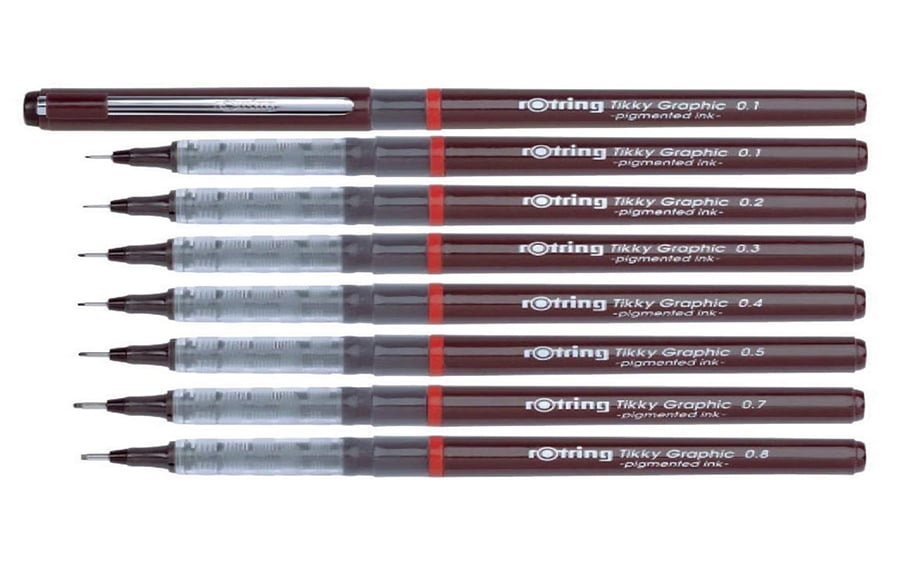
When choosing fine liner pens as a gift, it’s essential to consider the recipient’s preferences regarding line thickness. Fine liner pens typically come in various tip sizes, ranging from ultra-fine to broader tips. Understanding the individual’s sketching style aids in selecting the most suitable fine liners.
5.2 Ink Varieties and Colors
Fine liner pens offer a spectrum of ink varieties, including waterproof, archival, and pigmented inks. The choice of ink can impact the longevity and characteristics of the sketches. Additionally, some architects and designers appreciate having a range of colors for varied expressions in their sketches.
6. Future Trends: Evolving Technologies and Fine Liner Integration
6.1 Digital Integration with Traditional Tools
As technology advances, the integration of digital tools with traditional instruments is becoming more prevalent. Some architects are exploring the use of fine liner tablets that combine the familiarity of hand sketching with the benefits of digital storage and editing.
6.2 Sustainable Practices in Pen Manufacturing
The global push towards sustainability is influencing the manufacturing of art and design tools. Future trends in fine liner pen production may witness an increased emphasis on eco-friendly materials and refillable options to align with sustainable practices.
Conclusion: A Precise Stroke in the Architect’s Palette
In conclusion, the gift of black pigment fine liner pens for architects and designers is a celebration of precision in the creative process. Statistical insights highlight the widespread use of fine liners in the industry, while case studies underscore their versatility in the hands of design luminaries. As architects and designers navigate the intricate landscapes of their imagination, fine liner pens serve as precise strokes, weaving a narrative of clarity and detail on the canvas of design exploration. A gift that transcends utility, black pigment fine liner pens become an essential instrument, empowering architects and designers to bring their visions to life with meticulous precision.