Unleashing the Power of Architectural Apps in Contemporary Design – Recent Technological Advancements in Architecture That Architects Must Know
In the fast-paced world of architecture, technological advancements continue to reshape the profession, offering architects innovative tools to enhance their design and construction processes. Among the transformative developments, Architectural Apps have emerged as indispensable companions for architects, providing a myriad of features that streamline tasks, foster creativity, and elevate the overall efficiency of architectural projects. This article explores the realm of Architectural Apps, delving into their applications and underscoring their significance in the Design, Construction, and Architecture Industry.
Architectural Apps: Revolutionizing Design and Planning
Digital Sketching and Conceptualization
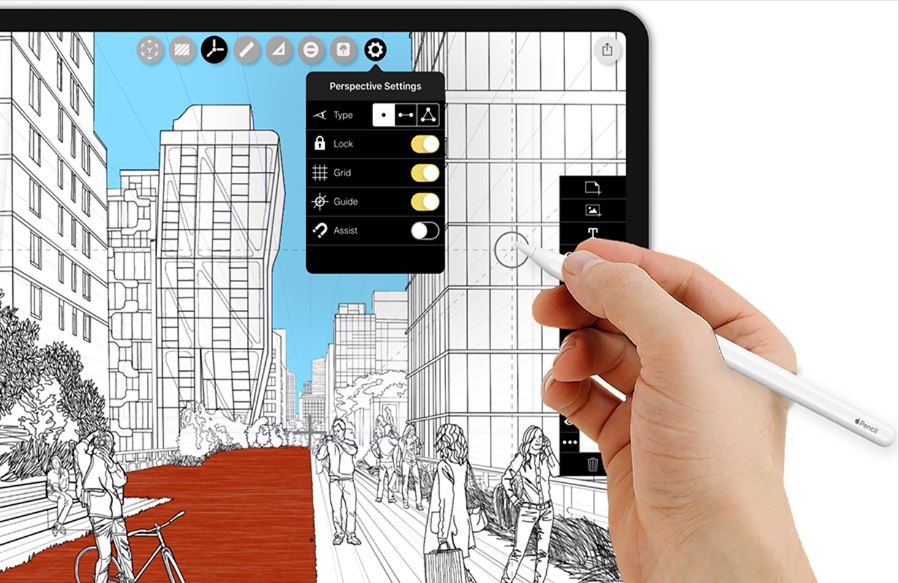
Architectural Apps have redefined the way architects conceptualize and sketch ideas. Apps like Morpholio Trace and Concepts enable architects to sketch and iterate designs digitally, fostering a fluid and dynamic creative process. With intuitive drawing tools and real-time collaboration features, these apps empower architects to capture ideas on-the-go and seamlessly transition from sketches to refined concepts.
Virtual Reality (VR) for Immersive Design Experience
Architectural Apps integrated with Virtual Reality (VR) bring designs to life in immersive 3D environments. Apps like IrisVR and Enscape allow architects to experience their designs at a human scale, providing a more comprehensive understanding of spatial relationships and design nuances. This immersive experience aids in design reviews, client presentations, and decision-making, revolutionizing the way architects communicate their vision.
Construction Management and Project Collaboration Apps
Real-Time Collaboration Platforms
Architectural Apps have introduced real-time collaboration platforms that enhance communication and coordination among project stakeholders. Apps like BIM 360 and Procore facilitate seamless collaboration between architects, engineers, contractors, and clients. These platforms enable the sharing of project information, drawings, and updates in real-time, minimizing delays and ensuring everyone is on the same page throughout the project lifecycle.
Task Management and Workflow Optimization
Task management and workflow optimization are paramount in the architecture industry. Architectural Apps like Trello and Asana provide architects with tools to manage tasks, track project progress, and streamline workflows. These apps contribute to efficient project management, ensuring that deadlines are met, and resources are allocated effectively.
Architectural Visualization Apps for Enhanced Presentations
Augmented Reality (AR) for Site Contextualization
Architectural Apps leveraging Augmented Reality (AR) enrich the presentation of designs by contextualizing them within real-world environments. Apps like ARki and Augment enable architects to overlay 3D models onto physical sites, allowing clients and stakeholders to visualize how designs integrate with existing surroundings. This AR-enhanced presentation enhances communication and fosters a deeper understanding of design proposals.
Renderings and Visualization Apps
Architectural Apps specializing in renderings and visualizations contribute to the creation of compelling presentations. Apps like Lumion and Twinmotion enable architects to generate realistic renderings, animations, and walkthroughs. These visuals not only showcase design aesthetics but also convey the spatial experience, making presentations more engaging and persuasive.
Sustainable Design and Analysis Apps
Energy Analysis and Simulation Tools
Architectural Apps play a crucial role in sustainable design practices by offering energy analysis and simulation tools. Apps like Autodesk Insight and Sefaira enable architects to assess the energy performance of buildings at early design stages. These apps facilitate data-driven decisions to optimize energy efficiency, contributing to the creation of environmentally conscious and sustainable designs.
Material Selection Apps for Sustainable Practices
Architects can make informed decisions regarding sustainable materials with the help of specialized apps. Apps like EcoCalculator and Green Badger provide data on the environmental impact of various materials, helping architects choose materials that align with sustainability goals. These apps contribute to a holistic approach to sustainable design by considering the life cycle and ecological footprint of materials.
Architectural Documentation and Measurement Apps
Photogrammetry Apps for Site Documentation
Architectural Apps employing photogrammetry techniques simplify site documentation. Apps like PhotoModeler and RealityCapture allow architects to create accurate 3D models from photographs. This streamlines the documentation process, especially in existing site conditions, providing a digital representation for further design analysis and decision-making.
Measurement and Surveying Apps
Precision is essential in architecture, and measurement and surveying apps cater to this need. Apps like PlanGrid and Measure Master enable architects to take accurate measurements, annotate drawings, and conduct on-site surveys using mobile devices. These apps enhance the accuracy of documentation and contribute to efficient project execution.
Architectural Education and Skill Development Apps
Online Learning Platforms for Continuous Education
The architectural profession demands continuous learning, and architectural apps offer online learning platforms for skill development. Apps like ArchDaily and Architizer provide educational content, design insights, and industry trends. These platforms support architects in staying updated with the latest advancements and expanding their knowledge base.
Sketching and Design Learning Apps
Architectural Apps also serve as valuable tools for honing sketching and design skills. Apps like Paper by FiftyThree and SketchBook provide digital canvases for architects to practice sketching, experiment with design ideas, and refine their artistic capabilities. These apps contribute to the creative development of architects, fostering a culture of continuous improvement.
Challenges and Future Perspectives
Integration Challenges in the Design Workflow
While Architectural Apps offer a plethora of benefits, architects may face challenges related to the integration of these apps into their design workflow. Ensuring seamless interoperability among various apps and software tools is crucial for a cohesive and efficient design process. The industry must work towards standardization and collaboration to overcome integration challenges.
Data Security and Privacy Concerns
Architects using cloud-based Architectural Apps must address concerns related to data security and privacy. Transmitting sensitive project information over cloud platforms requires robust cybersecurity measures to safeguard against potential breaches. Developers and users alike must prioritize the implementation of secure protocols to protect valuable project data.
Conclusion
Architectural Apps have become indispensable tools in the arsenal of modern architects, offering a diverse range of functionalities that enhance design, collaboration, and project management. From digital sketching and VR-enhanced presentations to sustainable design analysis and continuous education, these apps cater to various aspects of the architectural profession. As technology continues to evolve, architects who adeptly incorporate Architectural Apps into their workflows will find themselves at the forefront of innovation, shaping a future where digital tools are integral to architectural excellence.