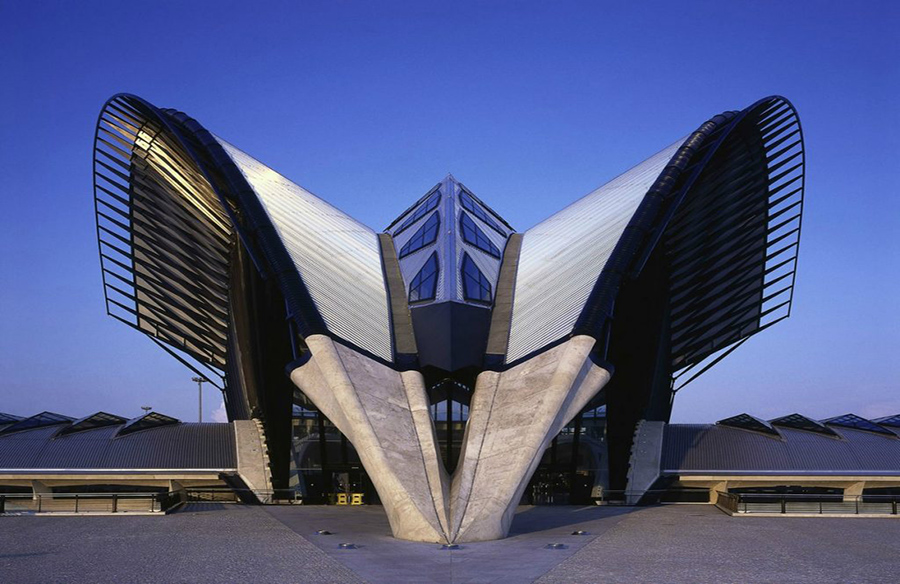
Trademark of the Architect – Facts about The Oculus NYC -Transportation Hub
In the ever-evolving realm of architecture, where innovation meets tradition, the term “Trademark of the Architect” assumes profound significance. This article delves into the intricate facets of this concept, exploring its relevance for both aspiring architects and seasoned professionals. From the educational perspective to real-world examples, the journey to understanding and establishing one’s architectural trademark unfolds.
Defining the Architectural Trademark
An architect’s trademark encapsulates their distinctive style, design principles, and the unique imprint they leave on their creations. It goes beyond a mere signature; it is the soul of their work, embodying a synthesis of creativity, functionality, and a personal narrative.
Educational Foundations: Cultivating a Signature Style
For aspiring architects, the journey begins within the hallowed halls of architectural education. Establishing a trademark involves a nuanced understanding of architectural history, theory, and the mastery of design principles. It is a journey of self-discovery and exploration, where students hone their skills and develop a design language that becomes their trademark.
The Role of Architectural Education
Architectural education serves as the crucible where ideas are forged into skills. The curriculum not only imparts technical knowledge but also encourages students to explore their unique design inclinations. Through design studios, history courses, and practical experiences, students are exposed to diverse influences that contribute to the formation of their architectural identity.
Real-world Exemplars: The Oculus in New York
To comprehend the concept of the architect’s trademark, one needs to turn to real-world examples. The Oculus, a striking transportation hub in Lower Manhattan, New York, stands as an epitome of architect Santiago Calatrava’s distinct style.
Calatrava’s Signature: A Fusion of Form and Function
The Oculus, with its soaring wings and skeletal structure, is a testament to Calatrava’s trademark – a harmonious blend of form and function. His affinity for organic shapes, coupled with a meticulous attention to detail, is evident in every aspect of the structure. For both students and architects, studying such landmark projects provides invaluable insights into the practical application of design principles.
Crafting the Architectural Identity
Influences and Inspirations
An architect’s trademark is not created in isolation. It is an amalgamation of influences, inspirations, and personal experiences. From cultural nuances to environmental considerations, architects draw upon a myriad of factors to infuse their designs with a unique identity.
Evolution Over Time
Just as architecture evolves, so does the architect’s trademark. Frank Gehry’s early works, characterized by deconstructivist elements, differ significantly from his later, more fluid designs. This evolution is a natural part of an architect’s journey, showcasing adaptability and a commitment to growth.
Navigating the Professional Landscape
As architects transition from academia to the professional realm, establishing a trademark becomes crucial for recognition and success. The architectural community is diverse and competitive, making it imperative for architects to distinguish themselves through a recognizable and unique identity.
Building a Portfolio: Showcasing the Trademark
A well-curated portfolio becomes the architect’s visual trademark. It serves as a testament to their skills, design philosophy, and the breadth of their work. From sketches and conceptual drawings to completed projects, the portfolio becomes a narrative that resonates with clients and peers alike.
Collaboration and Networking
In the interconnected world of architecture, collaboration is key. Architects often find opportunities to showcase their trademark through collaborations with other professionals, be it interior designers, engineers, or artists. Networking within the industry not only opens doors to new projects but also allows architects to share and refine their trademark through collective expertise.
Embracing Sustainability: A Contemporary Dimension
In the 21st century, architects are increasingly incorporating sustainability into their trademarks. The shift towards eco-friendly designs, energy efficiency, and environmentally conscious practices has become a defining element of contemporary architectural identity.
Case Study: Green Roofs and Sustainable Practices
Architects like Bjarke Ingels have incorporated sustainability into their trademark. The design of 2 World Trade Center, featuring green roofs and energy-efficient systems, exemplifies the integration of environmental consciousness into architectural identity. For students aspiring to make a mark in the field, understanding and embracing sustainability is paramount.
Conclusion: The Uniqueness that Endures
In conclusion, the concept of the architect’s trademark is a multifaceted journey that begins in the halls of education, finds expression in iconic structures, and evolves over a lifetime. It is an essential element that not only defines an architect’s identity but also shapes the narrative of the architectural landscape. For students and architects alike, the quest to establish a trademark is a perpetual exploration, a commitment to innovation, and a celebration of the uniqueness that endures through time. As the architectural journey unfolds, so does the distinctive signature that architects leave on the built environment.