Record-breaking Twin Cranes – Facts about The Oculus NYC -Transportation Hub
In the ever-evolving landscape of architectural marvels, the pursuit of pushing boundaries has led to unprecedented achievements. One such groundbreaking feat is the utilization of record-breaking twin cranes in construction projects, redefining the norms and setting new benchmarks for the architecture and engineering industry.
The Genesis of Twin Cranes: A Revolutionary Approach
The concept of twin cranes involves the strategic deployment of two towering cranes working in tandem. This revolutionary approach has gained prominence in recent years, especially in large-scale construction projects where efficiency and precision are paramount. The synergy between these towering giants not only accelerates the construction process but also enables the handling of heavier loads with unparalleled accuracy.
Unraveling the Technicalities: Anatomy of Twin Cranes
Structural Design and Stability
The structural design of these twin cranes is a testament to engineering ingenuity. Rigorous calculations and simulations ensure optimal weight distribution and stability. Engineers meticulously plan every aspect, from the base to the boom, guaranteeing that these cranes can operate seamlessly in unison.
Advanced Lifting Capabilities
Unlike conventional cranes, record-breaking twin cranes boast advanced lifting capabilities. With synchronized movements, they can lift and transport massive loads with remarkable precision. This feature not only expedites construction timelines but also enhances safety measures by minimizing the risk associated with heavy lifting operations.
A Case Study: The Oculus, New York City
To illustrate the practical application of record-breaking twin cranes, one need look no further than the iconic Oculus in New York City. This transportation hub, designed by architect Santiago Calatrava, stands as a testament to the synergy between architectural vision and engineering innovation.
Architectural Vision
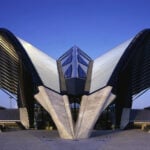
The Oculus is a masterpiece of modern architecture, resembling a giant dove in flight. Calatrava’s vision was to create a space that transcends mere functionality and becomes a symbol of hope and renewal. The soaring wings of the structure required a construction approach that could match the grandeur of the design.
Engineering Precision
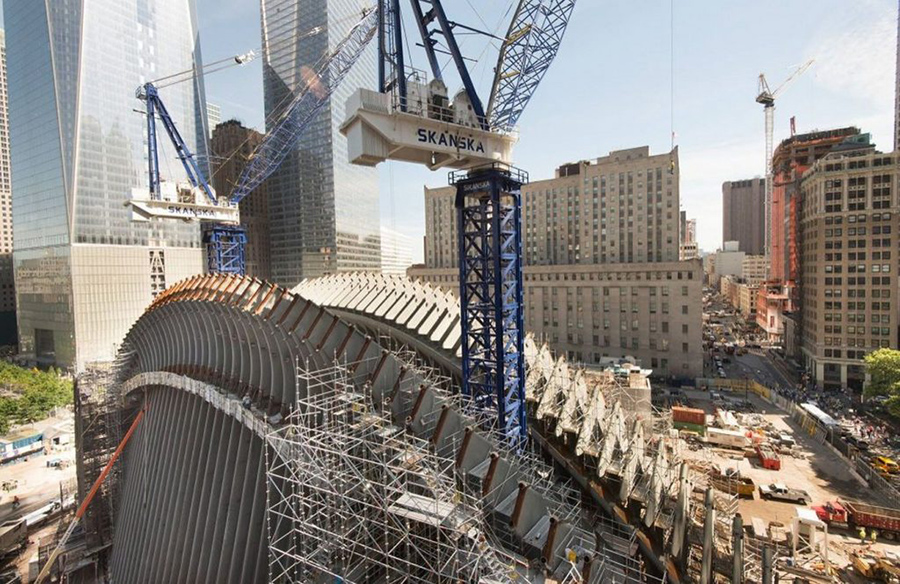
In the construction of the Oculus, record-breaking twin cranes played a pivotal role. The intricate steel framework and the complex geometry of the structure demanded a level of precision that conventional cranes could not provide. The synchronized operation of the twin cranes allowed for the seamless assembly of the intricate components, ensuring that Calatrava’s vision was brought to life with unparalleled accuracy.
Educational Insights for Aspiring Architects
For students of architecture, the utilization of record-breaking twin cranes presents a fascinating case study in the intersection of design and engineering. Understanding the symbiotic relationship between these two disciplines is crucial for aspiring architects who seek to push the boundaries of conventional design.
Integration of Design and Engineering
The success of projects like the Oculus underscores the importance of integrating design and engineering from the project’s inception. Architects and engineers must collaborate closely to create structures that are not only aesthetically pleasing but also technically feasible. The application of record-breaking twin cranes provides a tangible example of how this collaboration can lead to extraordinary outcomes.
Innovation in Construction Techniques
The adoption of record-breaking twin cranes also highlights the constant need for innovation in construction techniques. Students should be encouraged to explore unconventional approaches and embrace technological advancements that can redefine the possibilities within the realm of architecture. The Oculus serves as a living testament to the transformative impact such innovation can have on the final built environment.
Challenges and Future Prospects in Twin Crane Technology
While the use of record-breaking twin cranes has showcased remarkable success, it is essential to acknowledge the challenges associated with their deployment. Factors such as site constraints, logistical complexities, and the need for highly skilled operators necessitate careful consideration.
Site-Specific Considerations
Not every construction site is conducive to the use of twin cranes. Site-specific challenges, such as limited space or complex terrain, may require alternative approaches. Architects and engineers must weigh the benefits against the practical constraints to determine the feasibility of incorporating twin cranes into a project.
Investing in Skill Development
The operation of record-breaking twin cranes demands a high level of expertise. As these cranes become more prevalent in the construction landscape, investing in the training and development of skilled crane operators is crucial. Educational institutions and industry stakeholders should collaborate to ensure that a competent workforce is available to harness the full potential of this technology.
Conclusion: A Skyline Transformed
In conclusion, the utilization of record-breaking twin cranes marks a paradigm shift in the field of architecture and engineering. From the breathtaking skyline of New York City to the potential of future projects, these towering giants have left an indelible mark on the built environment. As the industry continues to evolve, students of architecture and seasoned architects alike are presented with an exciting canvas to explore the limitless possibilities that arise when design and engineering converge in perfect harmony.
Call to Action: Inspiring the Next Generation
To inspire the next generation of architects and engineers, it is imperative to encourage a mindset of innovation and collaboration. Aspiring professionals should actively seek opportunities to explore unconventional construction methods and embrace technological advancements. By doing so, they contribute not only to the evolution of architectural practices but also to the creation of structures that stand as timeless testaments to human ingenuity.
In a world where the skyline is constantly transformed, record-breaking twin cranes stand tall as symbols of progress and limitless potential. Embracing the challenges and opportunities they present will undoubtedly shape the future of architecture, leaving an enduring legacy for generations to come.