The Heist of Transportation – Facts about The Oculus NYC -Transportation Hub
In the ever-evolving realm of architecture, the integration of transportation systems has become a heist of sorts—a surreptitious theft of traditional boundaries and a bold infiltration of modern design paradigms. This article delves into the intricate relationship between architecture and transportation, exploring the transformative impact on both students of architecture and seasoned architects.
The Intersection of Architecture and Transportation
Understanding the Dynamics
Architecture and transportation share a symbiotic relationship, influencing each other in profound ways. The design of transportation hubs, bridges, and even urban planning are integral components of architectural endeavors. To comprehend this dynamic, one must consider the seamless integration of functionality, aesthetics, and efficiency in architectural designs catering to transportation needs.
Architectural Marvels in Transportation Hubs
The Oculus: A Case Study
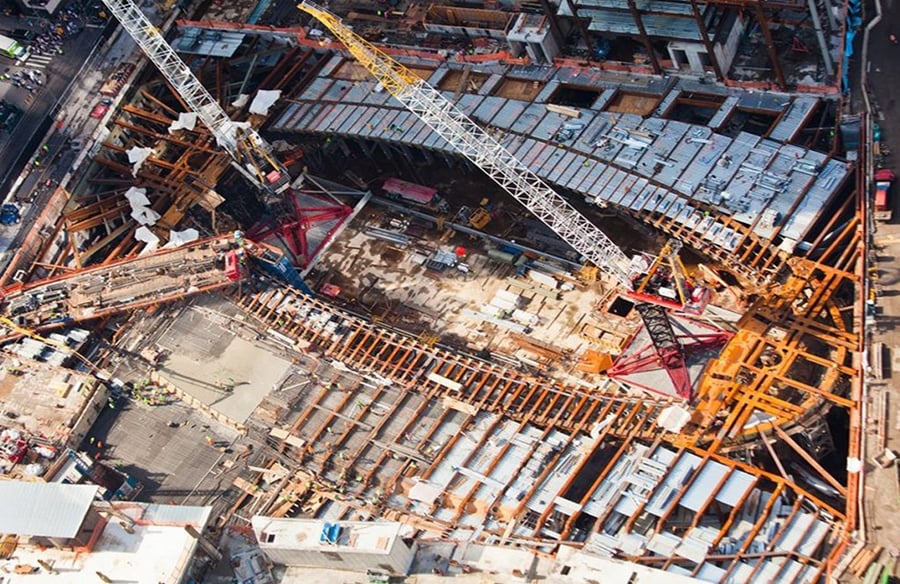
One noteworthy example of the fusion of architectural brilliance and transportation functionality is the Oculus in New York City. This transportation hub, designed by architect Santiago Calatrava, stands as a testament to innovation in form and function.
Design Aesthetics and Functionality
The Oculus, located at the World Trade Center, showcases a futuristic design inspired by the image of a dove released from a child’s hands. The open, wing-like structure creates a sense of grandeur, with its expansive interior providing a unique space for commuters. The interplay of natural light and geometric design elements within the Oculus exemplifies the marriage of aesthetics and functionality.
Implications for Students of Architecture
Educational Insights
For students pursuing architecture, understanding the integration of transportation into design is crucial. The heist of transportation in architectural principles introduces budding architects to a multidimensional approach. It necessitates a comprehensive understanding of the technical aspects of transportation systems, urban planning, and the artistic nuances of design.
Oculus as a Learning Model
The Oculus serves as an educational model, offering students insights into the complexities of designing for transportation. From spatial planning to structural engineering, students can dissect the Oculus to comprehend the intricacies involved in creating a seamless blend of transportation infrastructure and architectural magnificence.
Encouraging Innovation
The heist of transportation challenges students to think beyond conventional boundaries. It encourages them to innovate, creating designs that not only cater to the practical needs of transportation but also contribute to the visual and cultural tapestry of the surrounding environment.
Navigating Architectural Challenges
Urban Planning and Transportation Integration
Architects, as city planners, face the challenge of seamlessly integrating transportation infrastructure into urban landscapes. The heist of transportation demands a thoughtful approach to urban planning that prioritizes accessibility, sustainability, and aesthetics.
Balancing Form and Function
While architects strive for groundbreaking designs, they must also prioritize the functionality of transportation systems. Achieving a delicate balance between form and function ensures that architectural masterpieces like the Oculus serve their purpose efficiently while captivating the public with their visual allure.
Calls to Action: Shaping the Future of Architectural Innovation
Collaboration and Cross-Disciplinary Learning
The heist of transportation underscores the importance of collaboration between architects, urban planners, and transportation engineers. Cross-disciplinary learning becomes imperative for students and professionals alike, fostering a holistic approach to design that considers the broader impact on the urban environment.
Advocacy for Sustainable Designs
As architects engage in the heist of transportation, there is a growing responsibility to advocate for sustainable designs. From eco-friendly materials to energy-efficient systems, architects play a pivotal role in shaping a future where transportation and architecture coexist harmoniously without compromising environmental integrity.
Community Engagement
Architects should actively engage with local communities to understand their unique transportation needs. The heist of transportation can only be successful when architects embrace a people-centric approach, creating designs that enhance the quality of life for residents while facilitating seamless mobility.
Conclusion
In conclusion, the heist of transportation in architecture signifies a transformative era where traditional boundaries are shattered, giving rise to innovative designs that seamlessly integrate form and function. The Oculus in New York stands as an exemplar, illustrating the intricate dance between architectural aesthetics and transportation functionality. For students of architecture and seasoned architects alike, the heist of transportation presents an opportunity for continuous learning, collaboration, and advocacy for a sustainable and people-centric future. As architects engage in this heist, they are not only shaping the physical landscape but also influencing the way societies move and interact within their urban environments.