An Iron Man Among Train Stations – Facts about The Oculus NYC -Transportation Hub
In the realm of architectural wonders, train stations stand as testaments to the fusion of form and function. One such standout exemplar is the Oculus in New York, often hailed as the ‘Iron Man’ among train stations. This article delves into the intricate details, historical significance, and educational insights that make these architectural marvels true icons in the landscape of urban design.
The Rise of Architectural Icons in Transportation Hubs
Transportation hubs have evolved from mere logistical nodes to architectural spectacles that define the spirit of a city. The merging of aesthetics with functionality has become a hallmark of contemporary train station designs, providing an immersive experience for both commuters and architecture enthusiasts.
The Oculus: An Exemplar of Modern Elegance
Architectural Prowess
The Oculus, situated at the World Trade Center Transportation Hub in Lower Manhattan, is a peerless embodiment of architectural prowess. Designed by the renowned architect Santiago Calatrava, this structure seamlessly integrates technological innovation with aesthetic finesse. The soaring white wings of the Oculus evoke a sense of movement and grace, capturing the essence of travel and progress.
Structural Engineering Marvel
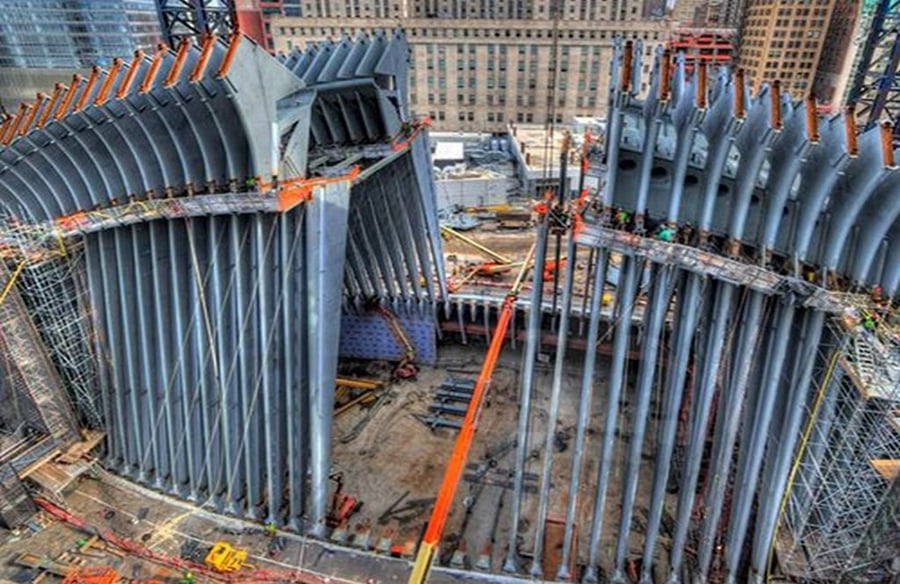
The Oculus is not just visually striking; it is a triumph of structural engineering. The rib-like structure of the building mimics the skeletal elegance of a bird in flight, showcasing Calatrava’s commitment to marrying form with function. This approach not only adds to the visual appeal but also optimizes the functionality of the space, creating a harmonious environment for commuters.
Educational Significance for Architecture Students
Design Principles in Focus
For students of architecture, the Oculus serves as a living textbook, offering valuable lessons in design principles. The emphasis on organic, flowing lines and the integration of cutting-edge materials showcase the possibilities of pushing the boundaries of conventional architectural norms. By studying such landmarks, budding architects can gain insights into the creative process, material selection, and the importance of contextual relevance.
Spatial Planning and User Experience
The Oculus also provides a case study in spatial planning and user experience. The vast, open interiors create a sense of grandeur, while the meticulous arrangement of functional spaces ensures efficient movement of people. Students can learn how to balance aesthetics with functionality, creating spaces that are not only visually appealing but also serve the needs of the users seamlessly.
Architects’ Perspective: Lessons from the Oculus
Innovative Material Usage
Architects, too, find inspiration in the Oculus when it comes to innovative material usage. The fusion of steel and glass in the construction not only contributes to the building’s visual appeal but also symbolizes the potential of blending traditional and modern materials. This can influence architects to experiment with materials, pushing the boundaries of what is considered conventional in their designs.
Public Spaces as Architectural Statements
The Oculus stands as a testament to the idea that public spaces can be architectural statements in themselves. Architects can draw lessons from how this train station creates a sense of community and identity within its walls. This challenges professionals to think beyond the utilitarian aspects of their designs and consider the broader impact on the urban fabric.
Historical Context: Evolution of Train Station Architecture
From Terminals to Icons
Understanding the historical context of train station architecture is pivotal in appreciating the leaps made by structures like the Oculus. Traditionally, train stations were utilitarian, focusing primarily on functionality. However, as cities expanded and urban landscapes transformed, architects began to infuse grandeur into these structures, turning them from terminals into iconic landmarks.
Oculus in the Context of New York’s Architectural Landscape
Examining the Oculus in the context of New York’s architectural landscape unveils its significance. As a city that embraces innovation and celebrates the avant-garde, the Oculus becomes a fitting symbol of progress. Its presence alongside iconic structures like the One World Trade Center cements its status as a vital component in the narrative of post-modern urban architecture.
Calls to Action: Nurturing Architectural Appreciation
Architectural Tours and Workshops
To foster a deeper understanding and appreciation for architectural marvels like the Oculus, organizing architectural tours and workshops can be immensely beneficial. These initiatives allow students and enthusiasts to engage directly with the space, providing a hands-on experience that goes beyond textbooks.
Integration of Architectural Studies in Education
Educational institutions should consider integrating real-world case studies, such as the Oculus, into their curricula. By studying these structures, students can bridge the gap between theoretical knowledge and practical application, preparing them for the challenges of contemporary architectural practice.
Conclusion: The Ongoing Saga of Architectural Evolution
In the grand tapestry of architectural evolution, train stations like the Oculus emerge as pivotal chapters. They not only serve as functional hubs for transportation but also stand as artistic expressions of a city’s identity. For students of architecture and practicing architects alike, the Oculus in New York serves as a beacon, illuminating the possibilities when innovation, functionality, and aesthetics converge. As the architectural landscape continues to evolve, these iconic train stations remind us that every structure has the potential to be an iron-clad testament to human ingenuity and progress.