Pearl Ring Roundabout, China – Biggest roundabouts in the world
The bustling metropolis of Beijing, China, stands as a testament to the harmonious blend of tradition and modernity. Amidst the city’s vibrant tapestry lies the Pearl Ring Roundabout, a marvel of urban planning and architectural brilliance that captivates both locals and visitors alike. This article delves into the rich tapestry of the Pearl Ring Roundabout, exploring its architectural nuances, urban design, transport integration, and historical significance.
A Glimpse into Architectural Grandeur
The Pearl Ring Roundabout, situated at the heart of Beijing, emerges as a striking testament to contemporary architectural finesse. Designed with a vision that transcends mere functionality, the roundabout serves as a nod to China’s commitment to pushing the boundaries of innovation in urban landscapes.
Architectural Elements
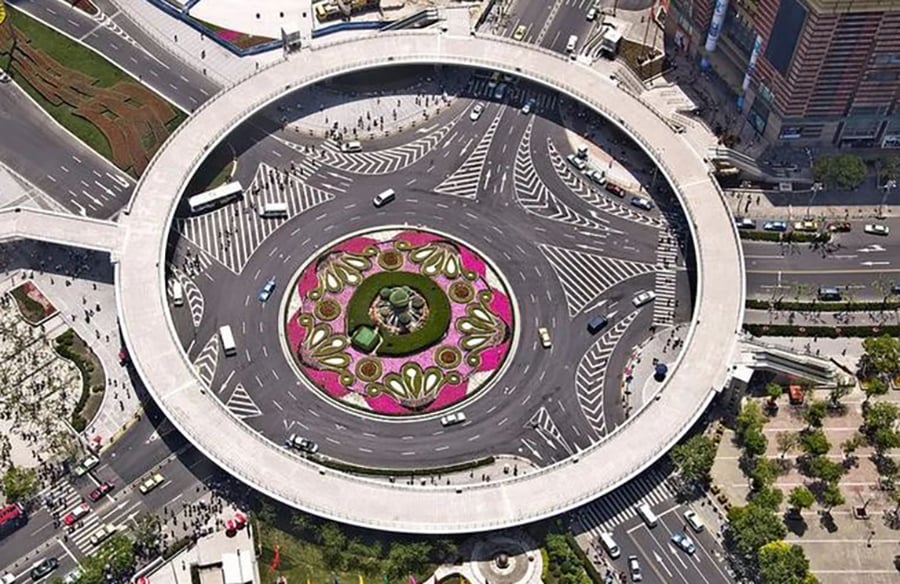
The roundabout boasts an impressive array of architectural elements that elevate its aesthetic appeal. The central focal point is adorned with a sculpture reminiscent of a pearl, symbolizing purity and prosperity. The use of sleek lines and modern materials in the surrounding structures seamlessly integrates the roundabout into the city’s skyline.
Innovative Landscaping
Lush greenery and meticulously planned landscaping add a touch of serenity to the bustling surroundings. The carefully curated green spaces not only enhance the visual allure of the Pearl Ring Roundabout but also contribute to the city’s environmental sustainability efforts.
Urban Planning Mastery
The Pearl Ring Roundabout stands as a testament to the meticulous urban planning that defines Beijing’s landscape. The strategic placement of the roundabout serves multiple functions, acting as a traffic hub, a recreational space, and a symbol of civic pride.
Traffic Flow Optimization
At the core of the Pearl Ring Roundabout’s design is an efficient traffic management system. The circular layout ensures a smooth flow of vehicles, reducing congestion and enhancing the overall mobility of the city. This design choice reflects a forward-thinking approach to urban planning, aligning with the city’s vision for sustainable development.
Mixed-Use Development
Surrounding the roundabout, mixed-use developments seamlessly integrate commercial, residential, and recreational spaces. This amalgamation of functions fosters a sense of community and ensures that the Pearl Ring Roundabout is not merely a traffic solution but a vibrant urban center.
Transport Integration: Bridging Past and Future
The Pearl Ring Roundabout stands at the crossroads of history and modernity, serving as a crucial node in Beijing’s transportation network.
Public Transit Accessibility
An exemplary feature of the Pearl Ring Roundabout is its accessibility via public transit. Well-connected subway lines and bus routes converge at this central point, facilitating effortless movement for residents and tourists alike. This commitment to public transportation aligns with global sustainability goals and positions the roundabout as a model for integrated urban mobility.
Cycling Infrastructure
In a nod to eco-friendly transportation, the Pearl Ring Roundabout incorporates dedicated cycling lanes, promoting a healthy and sustainable mode of commuting. The integration of cycling infrastructure underscores China’s commitment to creating cities that prioritize the well-being of both residents and the environment.
Tracing the Historical Tapestry
To truly appreciate the Pearl Ring Roundabout, one must delve into its historical roots. The roundabout’s location holds significance that extends beyond its contemporary allure.
Historical Landmarks
Surrounding the roundabout are remnants of Beijing’s historical landmarks, each narrating a chapter of the city’s storied past. From ancient temples to imperial palaces, the Pearl Ring Roundabout encapsulates the essence of Beijing’s cultural heritage.
Cultural Symbolism
The pearl, a central motif in the roundabout’s design, carries cultural symbolism deeply rooted in Chinese traditions. Historically associated with wealth and prosperity, the pearl pays homage to the nation’s rich cultural heritage while propelling the city into a prosperous future.
Call to Action: Embracing Urban Innovation
As we reflect on the marvel that is the Pearl Ring Roundabout, it becomes imperative to embrace the principles that underpin its success. Cities worldwide can draw inspiration from Beijing’s commitment to sustainable urban development, efficient transport systems, and the seamless integration of history and modernity.
Promoting Sustainable Practices
Cities are urged to prioritize sustainability in their urban planning endeavors. Embracing green spaces, investing in public transit, and fostering mixed-use developments can collectively contribute to a more sustainable and livable urban environment.
Advancing Technological Integration
The Pearl Ring Roundabout’s success lies not only in its design but in its embrace of technological advancements. Smart traffic management systems, energy-efficient infrastructure, and digital connectivity are crucial components for cities looking to propel themselves into the future.
Preserving Cultural Heritage
Every city has a unique historical narrative, and preserving this cultural heritage is paramount. The Pearl Ring Roundabout demonstrates the seamless integration of modernity with historical landmarks, setting a precedent for cities to cherish and showcase their past while evolving with the present.
In conclusion, the Pearl Ring Roundabout in Beijing stands tall as an embodiment of architectural excellence, urban planning mastery, and a bridge between history and the future. As cities globally grapple with the challenges of rapid urbanization, the lessons gleaned from the Pearl Ring Roundabout serve as a guiding light, illuminating a path towards sustainable, innovative, and culturally rich urban landscapes. Let us, therefore, look to Beijing and its iconic roundabout as a beacon of inspiration for the cities of tomorrow.